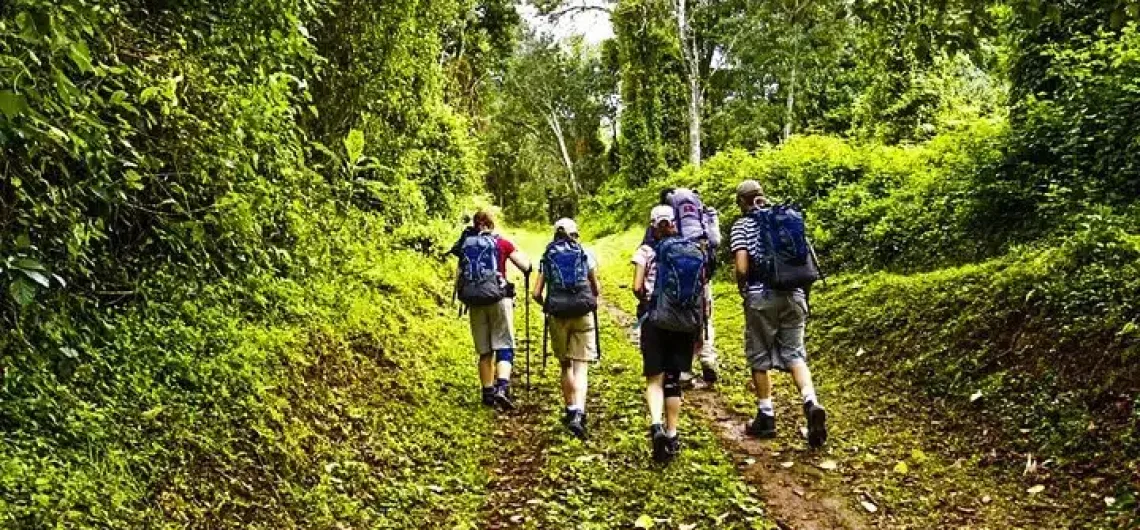
Short multi day treks are doable on Mount Kilimanjaro. Apart from one-day hiking tours that we offer, you can climb Kilimanjaro in 2-5 days. Although the short 2 days, 3-day and 4-day treks might not be enough to take you to the summit, the 5 day Kilimanjaro trek via the Marangu Route is the shortest itinerary offered for taking you to the summit of the mountain at Uhuru Peak (5,895m). While longer routes dominate for acclimatisation and success, shorter 2 to 5-day treks provide accessible adventures for those with limited time, focusing on lower elevations, scenic hikes, and partial ascents. These multi-day excursions immerse you in the mountain's diverse zones without the intense summit push, making them ideal for beginners or casual explorers. You might have heard about the record breakers, taking hours or even shorter days to get to the peak and back. These are special cases, but the truth is, they require special permits, and to reach the summit, you need to pay for at least 5 days. So this means that 5 days is the shortest full Kilimanjaro trekking package, and it can only be done using the Marangu Route. Anything less than 5 days is limited to lower, non-summit hikes. Book our 5-day Marangu Route Trek today Why Choose Short Multi-Day Treks Short 2 to 5-day treks on Kilimanjaro appeal to travellers seeking a taste of the mountain's magic without committing to a week-long expedition. These hikes emphasise enjoyment over conquest, traversing rainforests, moorlands, and offering glimpses of wildlife like monkeys and birds, all while avoiding the severe altitude challenges of full climbs. They're more affordable treks, often costing $500 to $1,200, and fit into tight schedules, such as weekend getaways or add-ons to safaris. Success rates aren't summit-focused; instead, the goal is safe exploration, with
Short multi day treks are doable on Mount Kilimanjaro. Apart from one-day hiking tours that we offer, you can climb Kilimanjaro in 2-5 days. Although the short 2 days, 3-day and 4-day treks might not be enough to take you to the summit, the 5 day Kilimanjaro trek via the Marangu Route is the shortest
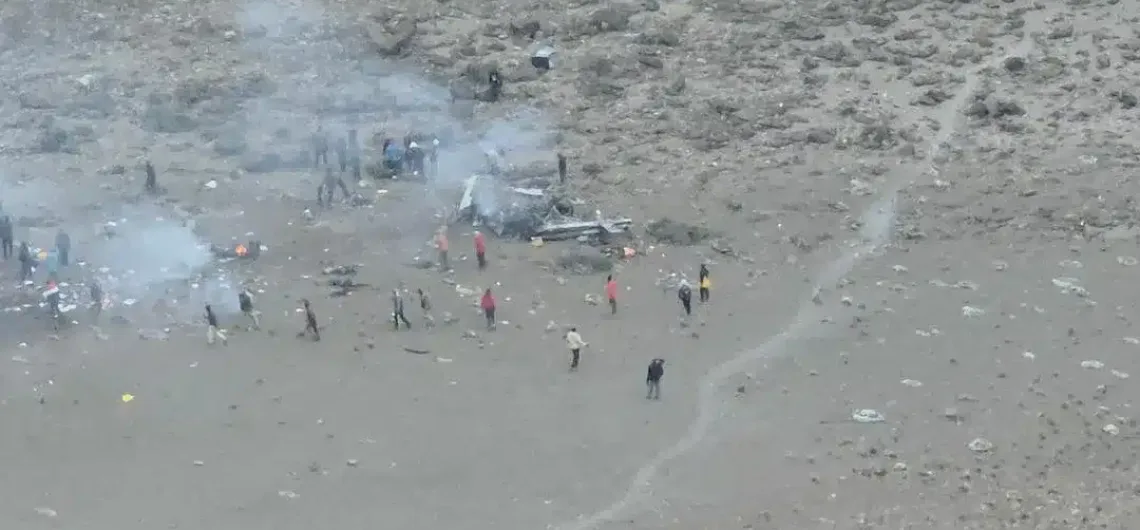
On December 24, 2025, around 5:30 in the evening local time, a rescue helicopter—an Airbus model run by KiliMedAir—crashed high up on Mount Kilimanjaro in Tanzania. People who saw it said the chopper took off from the designated landing and take off area at Barafu Camp and then dropped out of the sky just a few minutes later. Sadly, all five people on board died in the accident. It is not yet clear what caused the accident but investigations are still on going to determine the source of the crash Who were on board the ill-fated helicopter? They were two climbers from the Czech Republic, Mr David Plos and Ms. Anna Plosova (both 30 years old), a Tanzanian tour guide named Innocent Mbaga (or sometimes listed as Jimmy Mbaga), a Tanzanian doctor called Jimmy Daniel, and the pilot, Constantine Mazonde, who was from Zimbabwe. The helicopter was on a medical evacuation mission, heading to pick up sick climbers when it went down between Barafu Camp and the area near Kibo Peak. View this post on Instagram A post shared by Tanapa Updates (TANAPA) (@tanapa_updates) The crash site was way up there, around 4,700 meters (about 15,400 feet) above sea level, in a tough spot on the southeast side of the mountain. Guides and porters on the mountain who were nearby hurried over to help with rescue efforts, but when they got there, no one had survived. Mount Kilimanjaro is the tallest mountain in Africa, standing almost 6,000 meters high, and every year about 50,000 people try to climb it. Things like this don't happen often—the last bad helicopter crash on the mountain was back in 2008. The Kilimanjaro Regional Police Force has confirmed the deaths of five people who died in a helicopter crash that followed tourists to
On December 24, 2025, around 5:30 in the evening local time, a rescue helicopter—an Airbus model run by KiliMedAir—crashed high up on Mount Kilimanjaro in Tanzania. People who saw it said the chopper took off from the designated landing and take off area at Barafu Camp and then dropped out of the sky just a
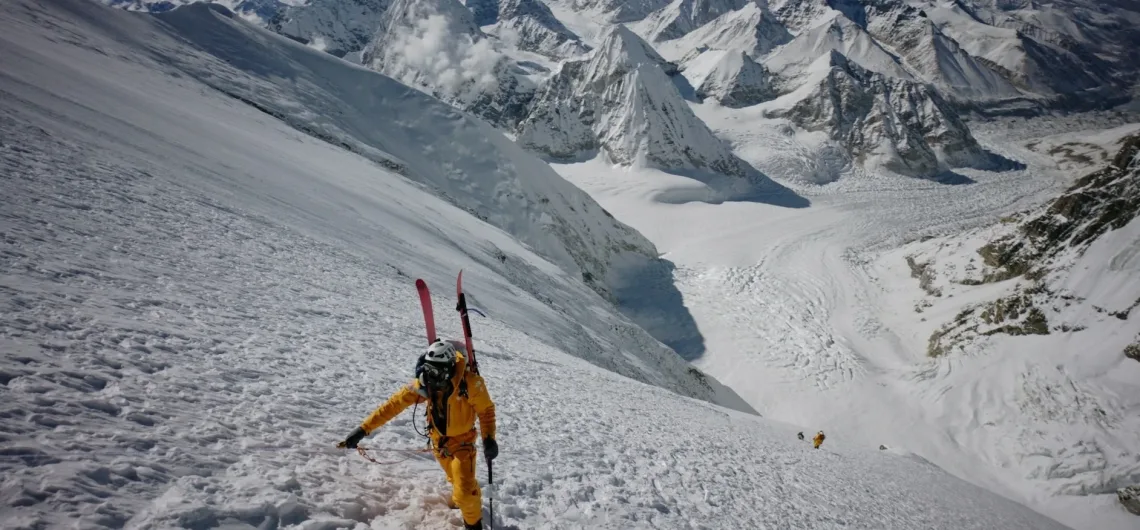
Reknown ski mountaineer, Jim Morrison just did what many would term impossible, many have thought of it, many have treid but failed, a good example is Marco Siffredi, whom in 2002, lost his life attempting to Ski down Mount Everest via the dreaded Horbein Coloir. Marco Siffredi was a French snowboarder who disappeared while attempting to snowboard down the Hornbein Couloir, a route nicknamed the "Holy Grail" of ski mountaineering. Jim Morrison was inspired in part by Siffredi's tragic story, as documented in a National Geographic film. Imagine that, a t 50 years and still mourning the death of his partner, Hilaree Nelson, who died during a ski descent on Mount Manaslu in Nepal in 2022. After spreading her ashes on Everest in respect, he became the first person ever to ski down Mount Everest's Hornbein Couloir, a super steep and narrow chute on the mountain's North Face that's been called "the last great problem" in ski mountaineering. It's like he took one of the planet's toughest routes and turned it into his personal ski slope. I mean, Everest is already nuts to climb, but skiing it? That's next level. Let me break down how he made this happen, from the emotional drive behind it to the gritty details of the descent. It's a tale of grit, loss, and straight-up skill. Years of Planning and Failed Attempts Pulling off a ski descent like this doesn't happen overnight. Jim had been eyeing the Hornbein Couloir for years, knowing it was one of the last unclimbed – or unskied – gems on Everest. The route's history is wild: named after Tom Hornbein and Willi Unsoeld, who first climbed it in 1963 as part of the American expedition. It's steep, narrow, and prone to avalanches, with slopes averaging 50 degrees and spots hitting
Reknown ski mountaineer, Jim Morrison just did what many would term impossible, many have thought of it, many have treid but failed, a good example is Marco Siffredi, whom in 2002, lost his life attempting to Ski down Mount Everest via the dreaded Horbein Coloir. Marco Siffredi was a French snowboarder who disappeared while attempting