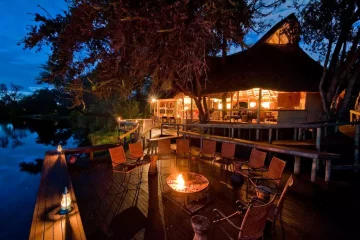
Tanzania Safari Price includes
Park fees
Game drives and activities
All accommodation
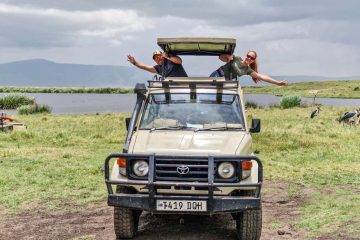
A professional driver/ safari guide
All transportation
All Taxes/VAT
Roundtrip airport transfer
Meals
Water / Coffee / Tea or Soft Drinks

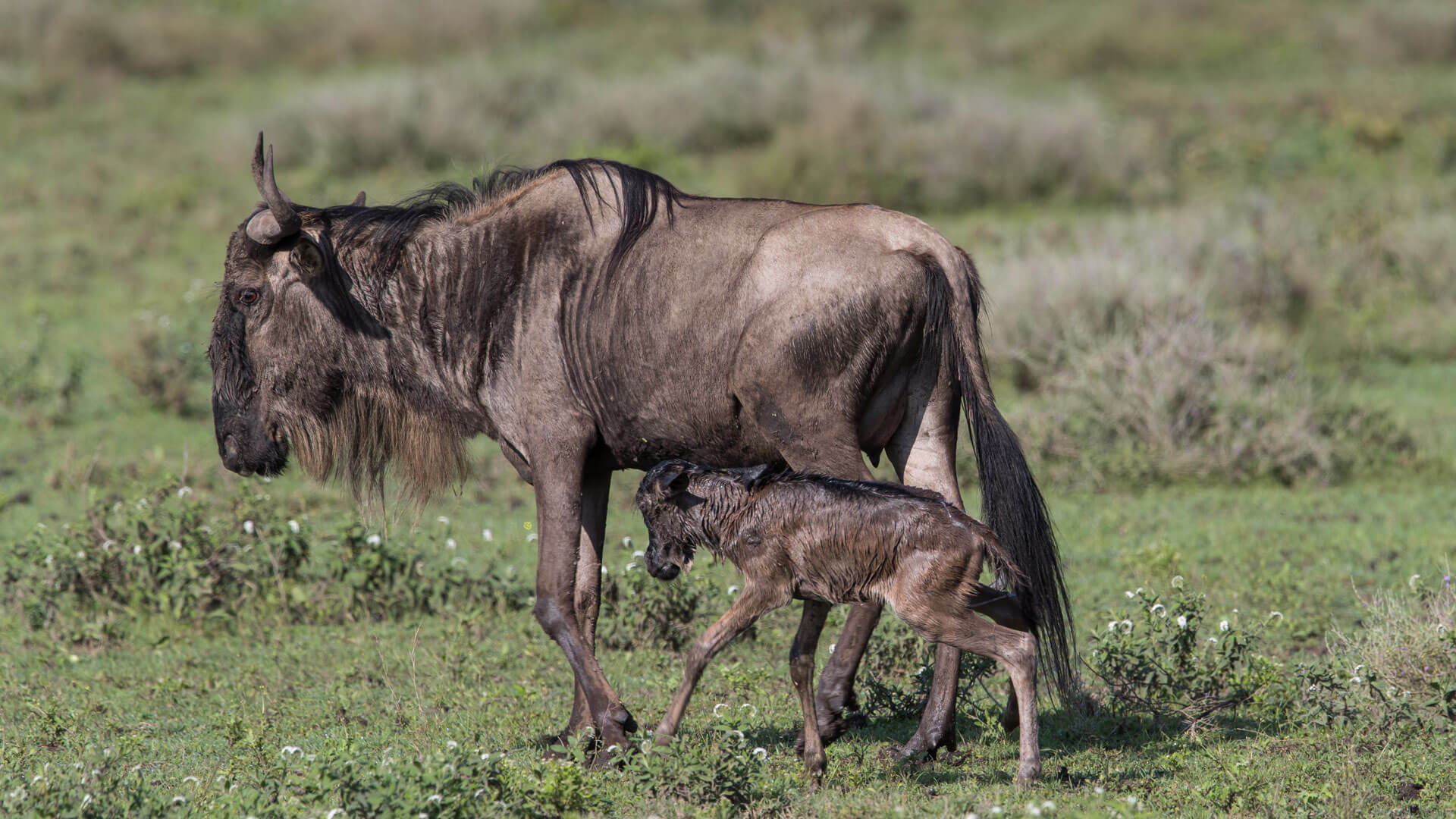
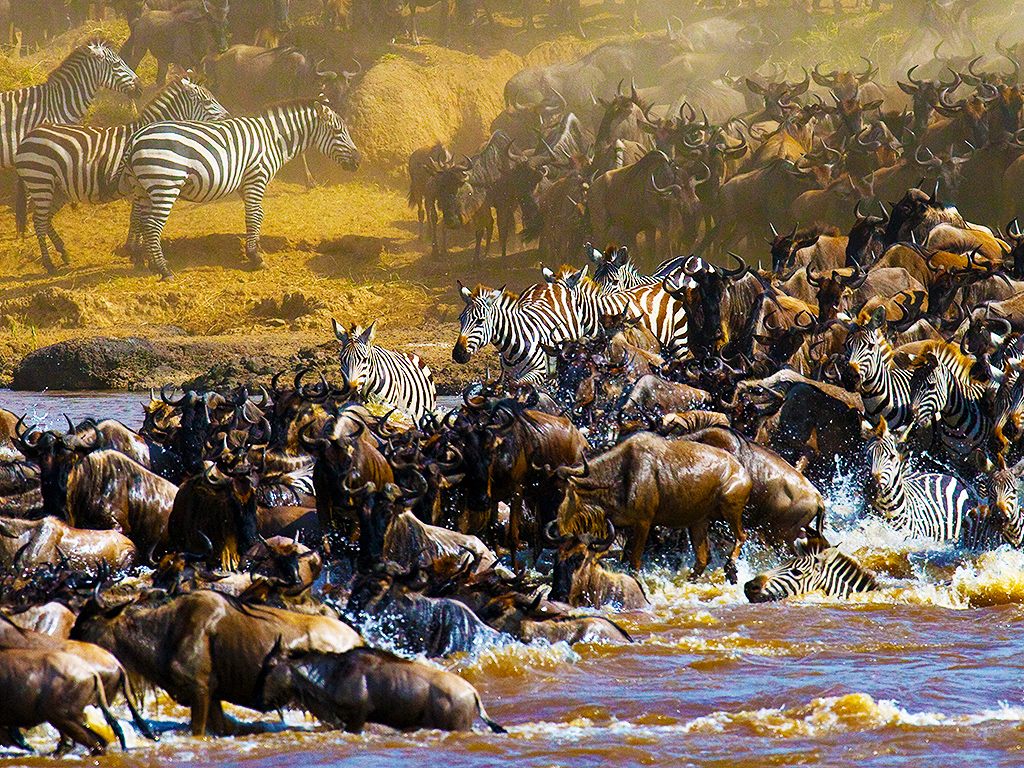
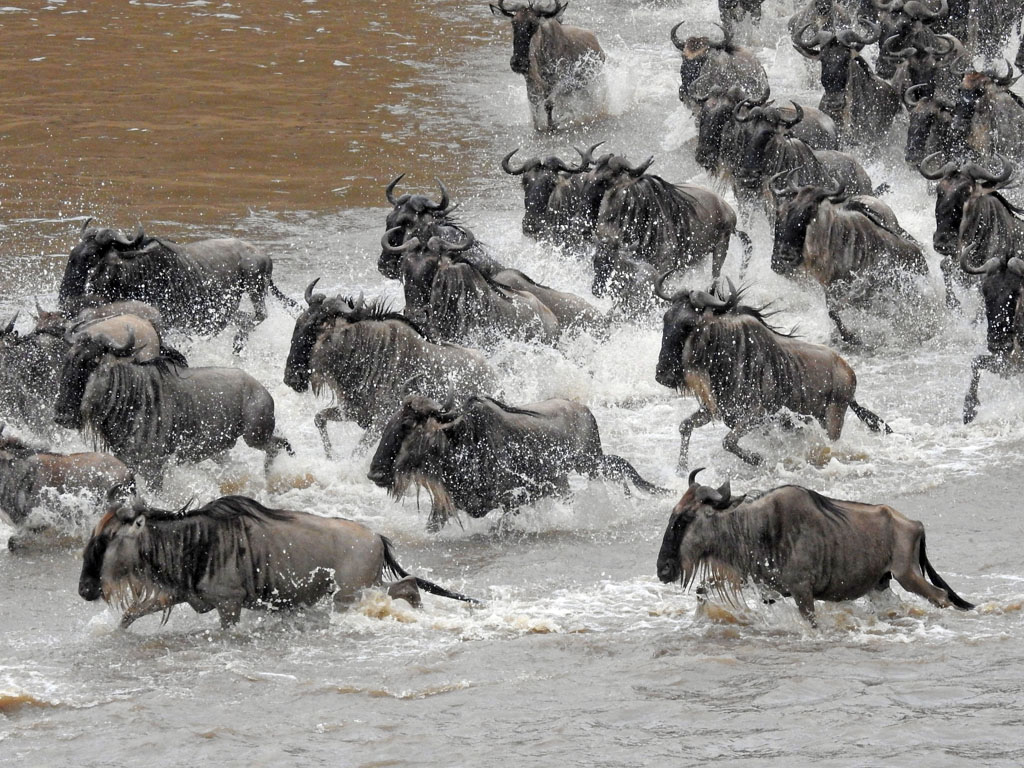
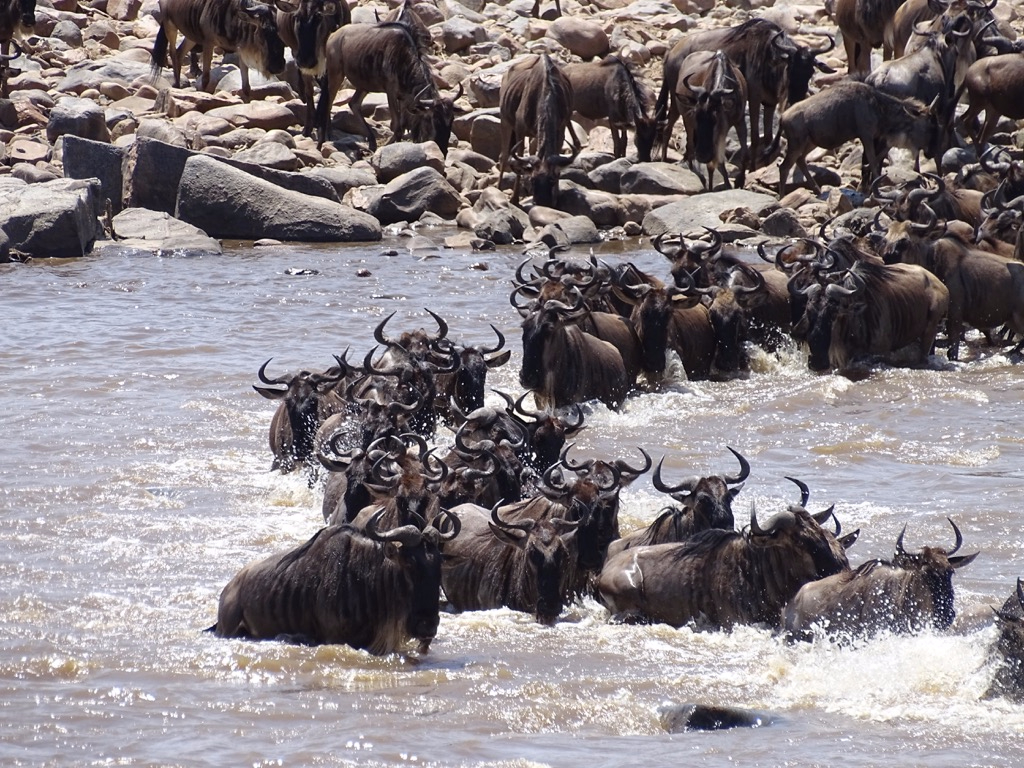
This life-touching 6-day wildebeest calving season safari gives you an insight into the life cycle of the wildebeests of Africa and immerses you in one of nature’s most extraordinary spectacles: the Great Wildebeest Migration’s calving season in the southern Serengeti. Beginning in Arusha, the journey takes you through Tarangire’s elephant-rich landscapes, into the heart of Ndutu for intimate wildlife encounters during birthing time, a descent into the iconic Ngorongoro Crater, and a finale at bird-filled Lake Manyara. With game drives focused on the dramatic cycle of life—newborn calves taking their first steps amid lurking predators—this adventure offers front-row seats to the raw beauty of Tanzania’s ecosystems.
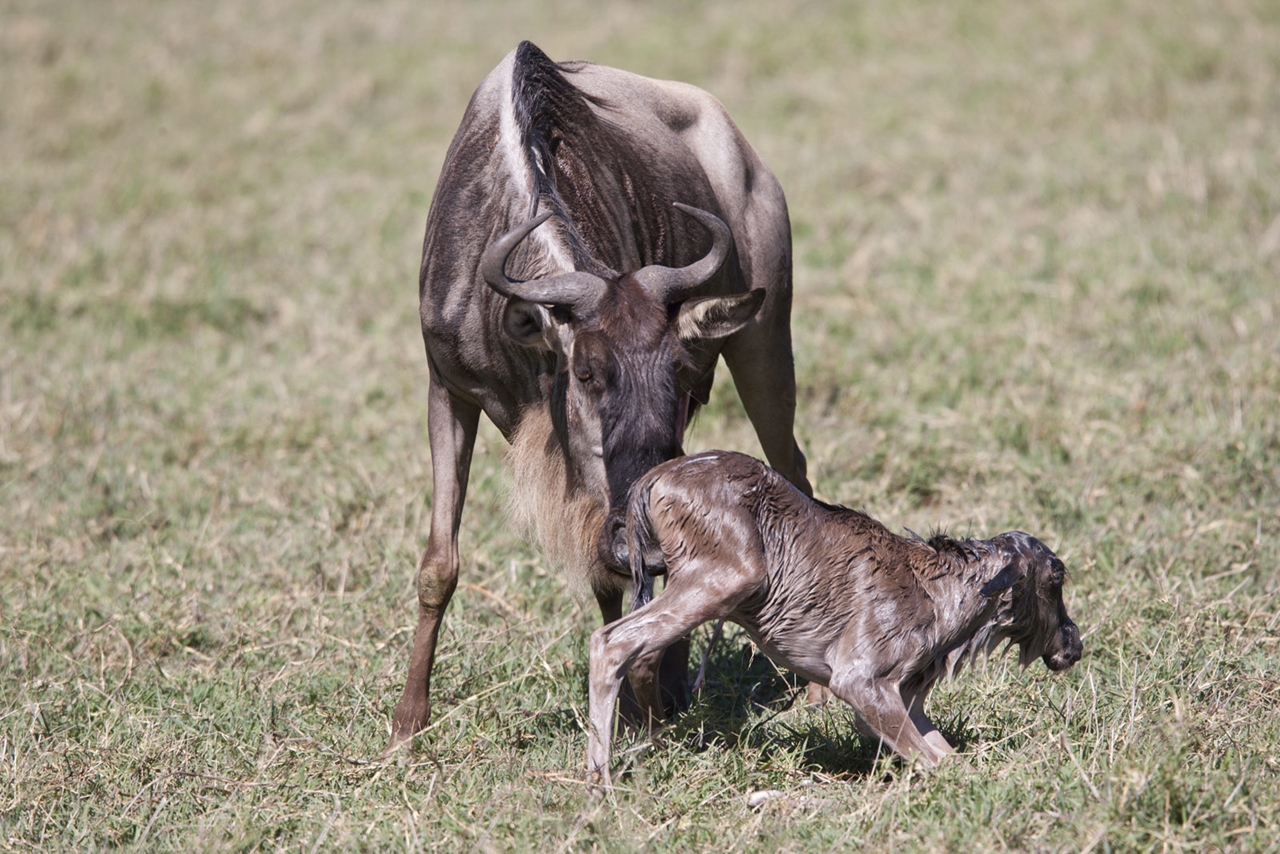
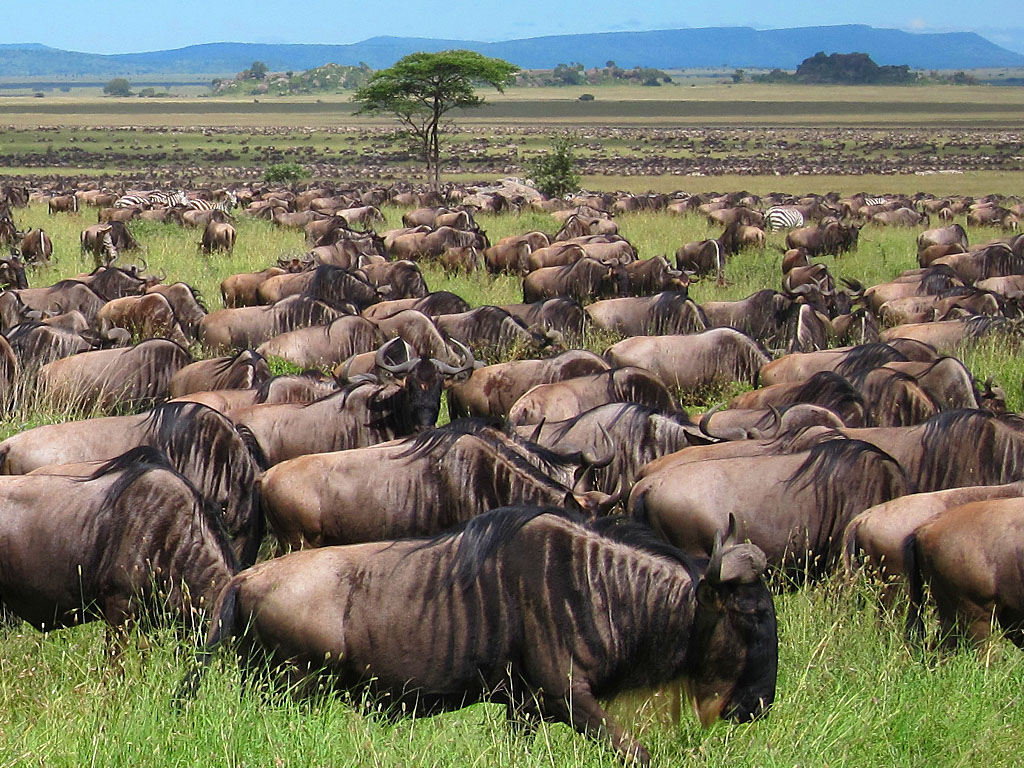
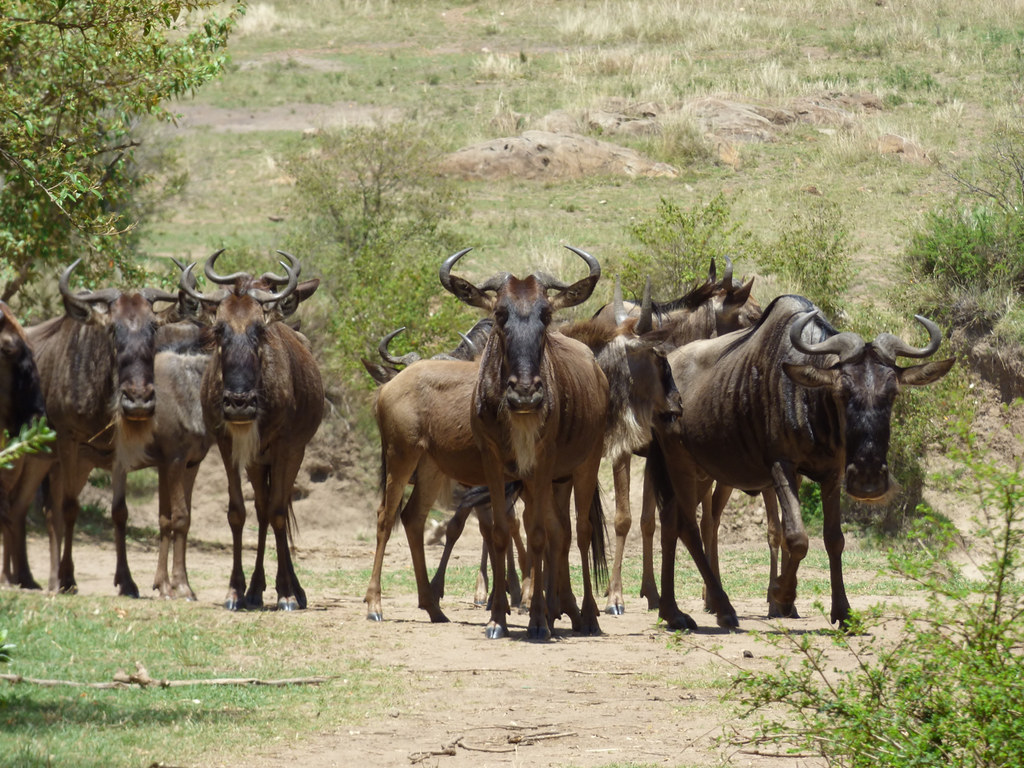
Ndutu is a vast, open region in the southern Serengeti ecosystem, straddling the Ngorongoro Conservation Area. Characterised by nutrient-rich short-grass plains, scattered acacia woodlands, swamps, and soda lakes like Lake Ndutu and Lake Masek, it provides an ideal nursery for the migration. The calving season is a synchronised mass birthing event where approximately 500,000 wildebeest calves are born over a short period—typically concentrated in a 2-3 week window in February (though starting as early as late January). This results in up to 8,000 calves entering the world daily, many standing and running within minutes of birth.
The herds migrate here following seasonal rains because the short-grass plains are rich in phosphorus and calcium—essential minerals for lactation and calf growth. The open terrain offers visibility against predators, while the timing aligns with peak green vegetation after the short rains .
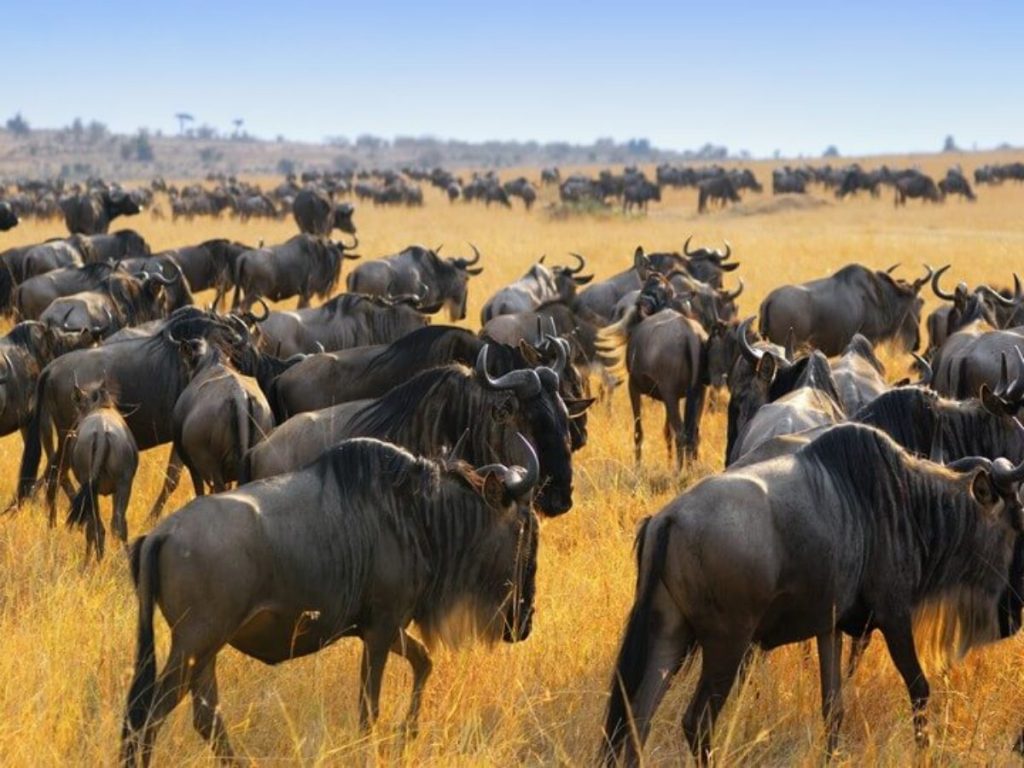
What happens before calving: From November/December, over 1.5 million wildebeest (accompanied by zebras) move south from the northern Serengeti and Kenya’s Maasai Mara, drawn by fresh grazing as rains rejuvenate the southern plains.
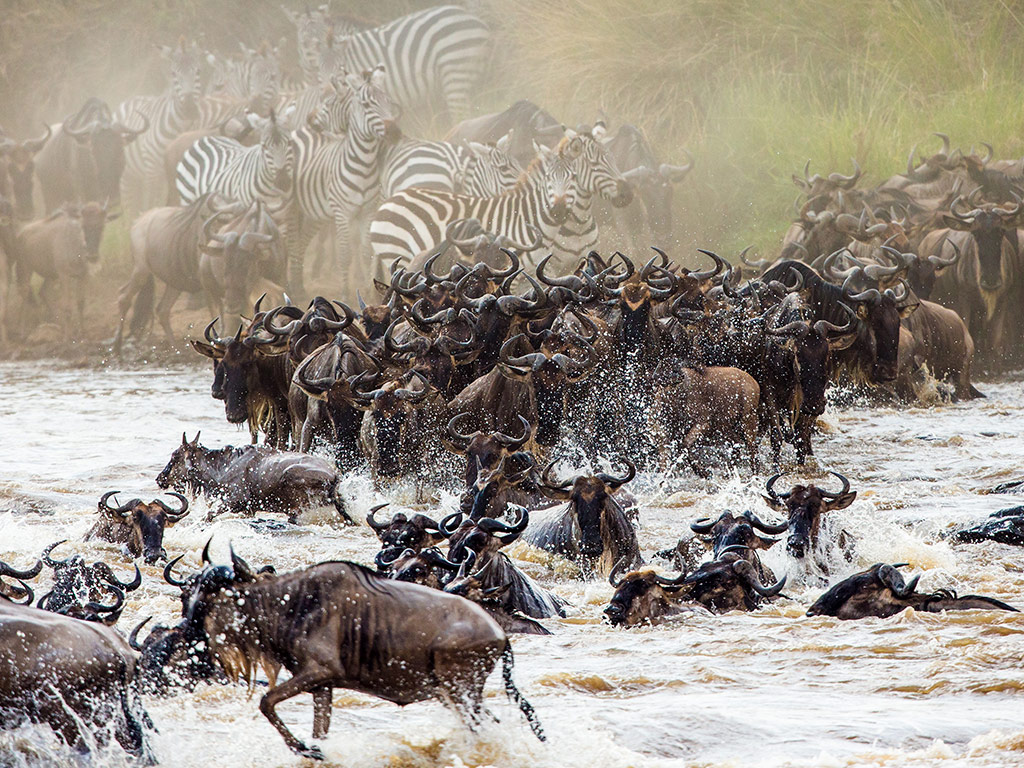
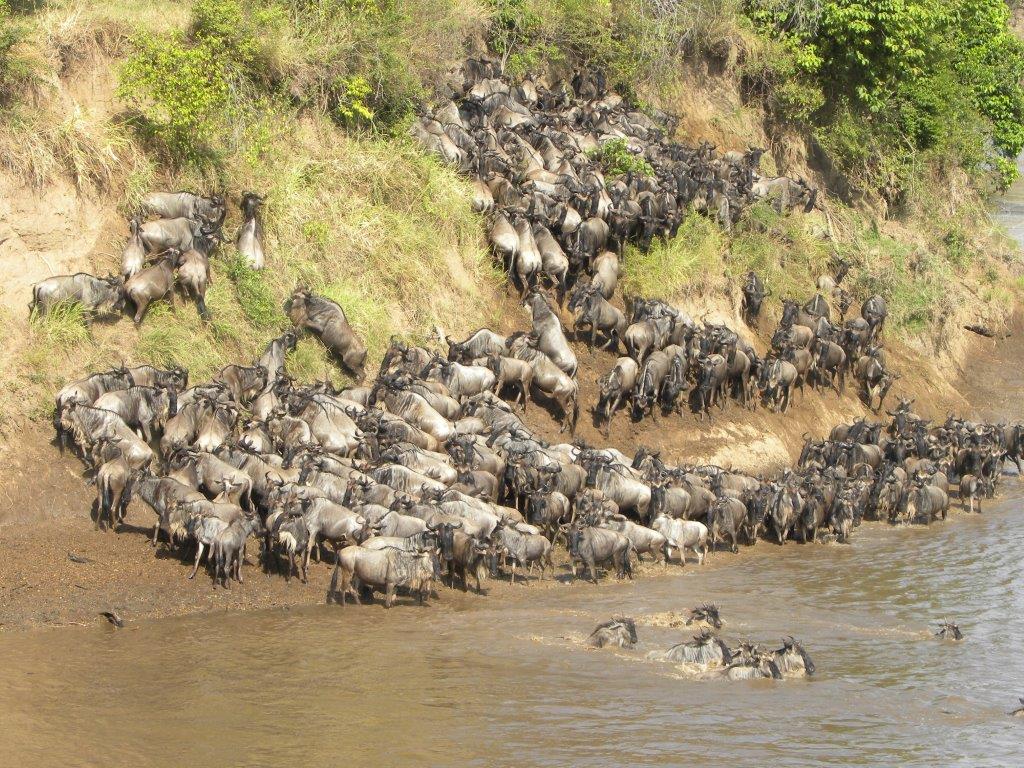
What follows after calving: By March/April, as grasses dry up, the herds (now strengthened with young) begin moving northwest toward the central Serengeti’s Western Corridor, eventually heading north for the dramatic river crossings of the Grumeti and Mara rivers in July–October, completing the perpetual cycle.
This period is also prime for predator action: lions, cheetahs, hyenas, and leopards capitalise on the abundance of vulnerable newborns, creating thrilling hunts and underscoring the relentless circle of life.
The optimal window for safaris in Ndutu migration area is January to March, with February being the peak for witnessing the intense calving frenzy. January offers early arrivals and fewer crowds, while March provides lingering herds and greener landscapes. Travel during this green season means lush scenery, excellent photography light, and lower visitor numbers compared to the dry-season crossings—though expect occasional short rains and muddier tracks. This itinerary perfectly captures the essence of renewal in the Serengeti, blending high-drama wildlife moments with classic Tanzanian highlights for an unforgettable safari experience. If you would like to combine your wildebeest migration safari with a Kilimanjaro hike or Zanzibar, consider this itinerary.
Day 1Arrive in Arusha
Upon arrival, our representative will greet you at the airport and take you to your accommodation in Arusha. Take this day to relax and prepare for your upcoming safari adventure.
Luxury: Grand Melia Lodge / Mount Meru Hotel / Arusha Coffee Lodge
Mid-range: Ilboru Safari Lodge / Arusha Planet Lodge/ Airport Planet Lodge
Budget: Outpost Lodge / Tulia Boutique Hotel / Green Mountain Hotel
Day 2 Arusha to Tarangire National Park
After breakfast, we embark on a scenic drive to Tarangire National Park. This park is known for its large elephant herds and diverse wildlife. Enjoy a thrilling game drive and witness the beauty of the savannah, swamps, and the Tarangire River. Keep an eye out for lions, leopards, and other fascinating animals. In the evening, we return to our accommodation for dinner and rest.
Luxury: Kitela Lodge / Lake Manyara Kilima Moja / The Retreat at Ngorongoro
Mid-range: Eileen’s Tree Inn / Endoro Lodge / Karatu Simba Lodge
Budget Camping: Lilac Campsite/ Panorama Campsite
Day 3 South Serengeti (Ndutu)
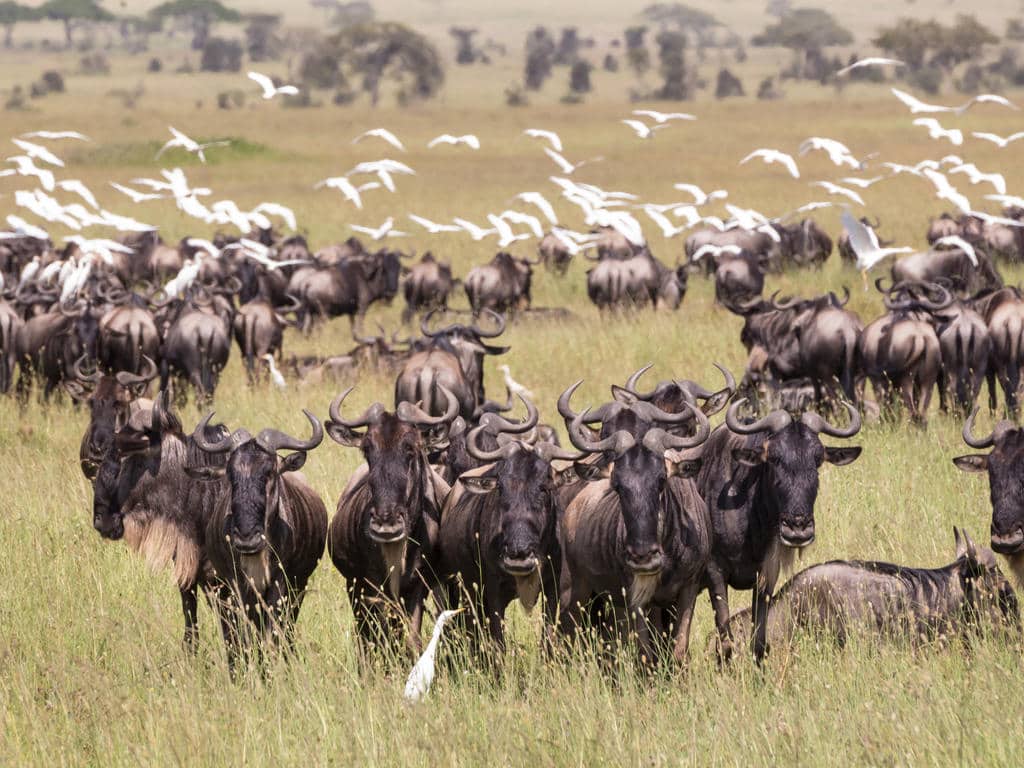
We depart for the Lake Ndutu region in the southern Serengeti ecosystem, located in the Ngorongoro Conservation Area. This area is a haven for the great wildebeest migration, especially during the calving season from December to April. Witness the incredible sight of wildebeests and zebras spread across the short-grass plains, with predators lurking nearby. After a thrilling afternoon game drive, we retire to our accommodation for dinner and an overnight stay.
Luxury: Lake Masek Tented Lodge / Lake Ndutu Luxury Tented Lodge
Mid-range: Serengeti Heritage Ndutu / Ang’ata Ndutu Camp
Day 4South Serengeti (Ndutu)
Today is dedicated to exploring the Ndutu region and its diverse habitats. Marvel at the swamps, woodland, soda lakes, and the renowned Serengeti short grass plains. Witness the awe-inspiring sight of hundreds of thousands of wildebeest calves being born, a synchronized birthing phenomenon that takes place for about three weeks in January. We continue our adventure on the endless plains before returning to our accommodation for dinner and rest.
Luxury: Lake Masek Tented Lodge / Lake Ndutu Luxury Tented Lodge
Mid-range: Serengeti Heritage Ndutu / Ang’ata Ndutu Camp
Day 5Ndutu to Ngorongoro Crater
After breakfast, we depart from Ndutu and head to the Ngorongoro Crater. As we descend into the crater, be prepared to be mesmerized by the breathtaking scenery and abundant wildlife. The crater floor is home to a wide variety of animals, including wildebeests, zebras, gazelles, and numerous bird species. Keep an eye out for the endangered black rhino, which can sometimes be spotted here. After an exciting afternoon exploring the crater, we proceed to our accommodation in Karatu for dinner and overnight stay.
Luxury: Kitela Lodge / Lake Manyara Kilima Moja / The Retreat at Ngorongoro
Mid-range: Eileen’s Tree Inn / Endoro Lodge / Karatu Simba Lodge
Budget Camping: Lilac Campsite/ Panorama Campsite
Day 6Lake Manyara National Park to Arusha
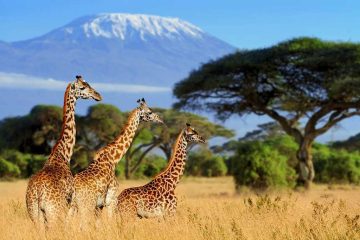
On our final day, we visit Lake Manyara National Park, known for its stunning landscapes and diverse wildlife. Keep your camera ready to capture sightings of monkeys, giraffes, zebras, elephants, and with some luck, lounging lions. The park’s shallow salt lake is a haven for flamingos and other bird species. After a memorable game drive, we enjoy lunch and then return to Arusha in the late afternoon, marking the end of our remarkable safari adventure.
The cost for the whole 6 Days Tanzania safari includes and excludes the following items
Park fees
Game drives and activities
All accommodation
A professional driver/ safari guide
All transportation
All Taxes/VAT
Roundtrip airport transfer
Meals
Water / Coffee / Tea or Soft Drinks
International flights
Additional accommodation before and at the end of the tour
Tanzania Visa
Gratuity
Personal Expenses (e.g. laundry, telephone, beverages, etc.)
Meals not listed above
Government imposed increase of taxes and/or park fees