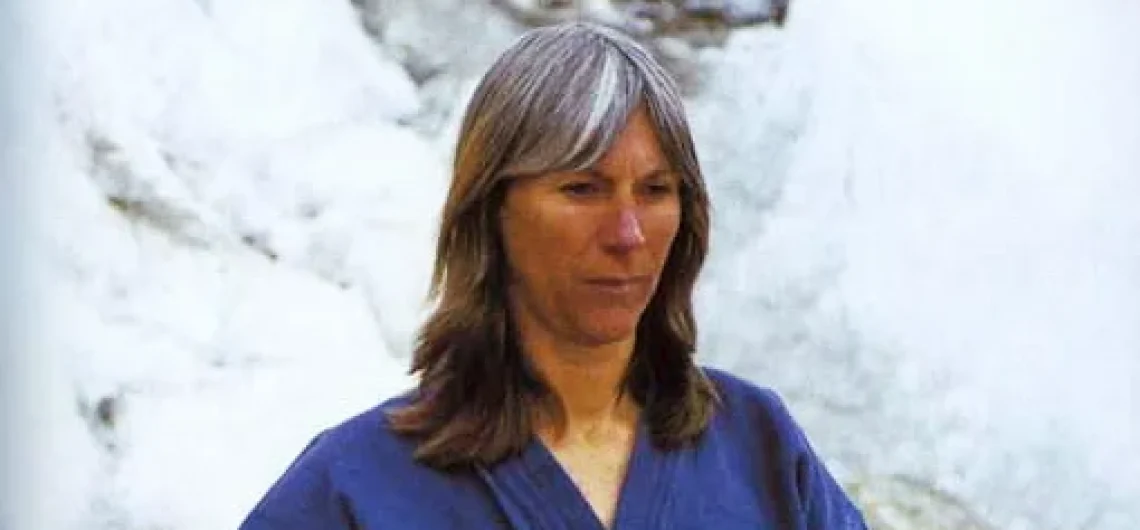
It was on this day, August 7th, 1986, that the climber Juile Tullis suffered her fatal injury in the "Black Summer" of 1986 while descending from the peak of Mount K2 during a storm. He was one of four climbers from different teams who also perished during this time. An audio cassette tape journal that Tullis had made in 1982 was found in 2005, and it was recovered from the glacier that is located below K2. Julie Tullis was a tough mountaineer and the first female filmmaker to work in the field of high-altitude climbing. Together with Kurt Diemberger, an excellent mountaineer and filmmaker, she formed the "highest film team in the world." Together, they were responsible for the production of several documentaries that went on to win awards. These films recorded the first trips to the Himalayan peak Nanga Parbat (8126m) that were undertaken by France and Austria in 1982 and 1985. Additionally, Tullis and Diemberger made their first attempt to reach the peak of K2 (8611 meters) in the Himalayas in 1983. They also filmed the Italian ascent of the mountain back then. Even though it was unsuccessful, it cemented Tullis's love for K2 as her "mountain of mountains." During the 1984 Swiss expedition to K2, Julie became the first British woman to climb Broad Peak, which is located in the Himalayas and is 8051 meters in height. Kurt and Julie were unsuccessful in their attempt to summit K2 for the second time. She was the first British woman to be requested to climb Everest (8849 meters) by the unclimbed Northeast Ridge in 1985. Her rising notoriety and reputation led to her being invited to climb Everest and she accepted the invitation. Because of the unfavourable weather conditions and the number of people who lost their lives during
It was on this day, August 7th, 1986, that the climber Juile Tullis suffered her fatal injury in the “Black Summer” of 1986 while descending from the peak of Mount K2 during a storm. He was one of four climbers from different teams who also perished during this time. An audio cassette tape journal that
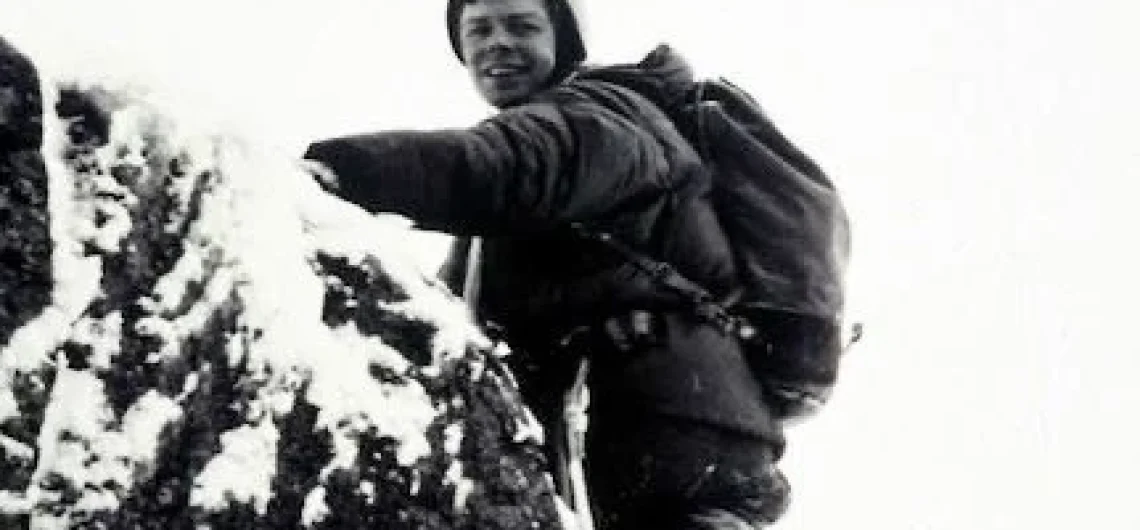
According to Reuters, KATMANDU, Nepal, on May 31, 1970, a British climber was killed on Annapurna I in the Himalayas. He had been assisting two other climbers in making the first ascent of the mountain's south face. Ian Clough, who was thirty years old at the time, fell away in an icefall three days after Don Whillans and Dougal Haston attempted to reach the top at 26,545 feet. For twenty minutes, they remained. At a camp located at an elevation of 20,500 feet, Mr. Clough, who is the director of the Glencoe School of Mountaineering in Scotland, had been participating with a support team. According to a message that was delivered to the British Embassy in this location today, he was in the process of bringing down equipment and was just three hours away from the base camp when the ice fall that occurred. In the aftermath of successfully scaling the south face of Annapurna alongside Sir Chris Bonington, the most famous climber in Britain, Ian Clough, 33, from Baildon, was tragically killed when he was crushed by a big ice pinnacle. It is generally agreed upon by experts that the ascent is more difficult than climbing Everest itself. One of his former coworkers, Kelvin Kent, who currently resides in Colorado, United States of America, was the one who affixed the brass plaque to a stone at Annapurna base camp, which is located 4,100 meters above sea level. Sir Chris, who was Mr. Clough's friend for a significant amount of time and who led the trip, has expressed his thrilled response to the gift. The following is what he had to say: "In 1970, when we climbed the South Face, Kelvin was a member of the team and our base camp manager." Having come to the conclusion that this would
According to Reuters, KATMANDU, Nepal, on May 31, 1970, a British climber was killed on Annapurna I in the Himalayas. He had been assisting two other climbers in making the first ascent of the mountain’s south face. Ian Clough, who was thirty years old at the time, fell away in an icefall three days after
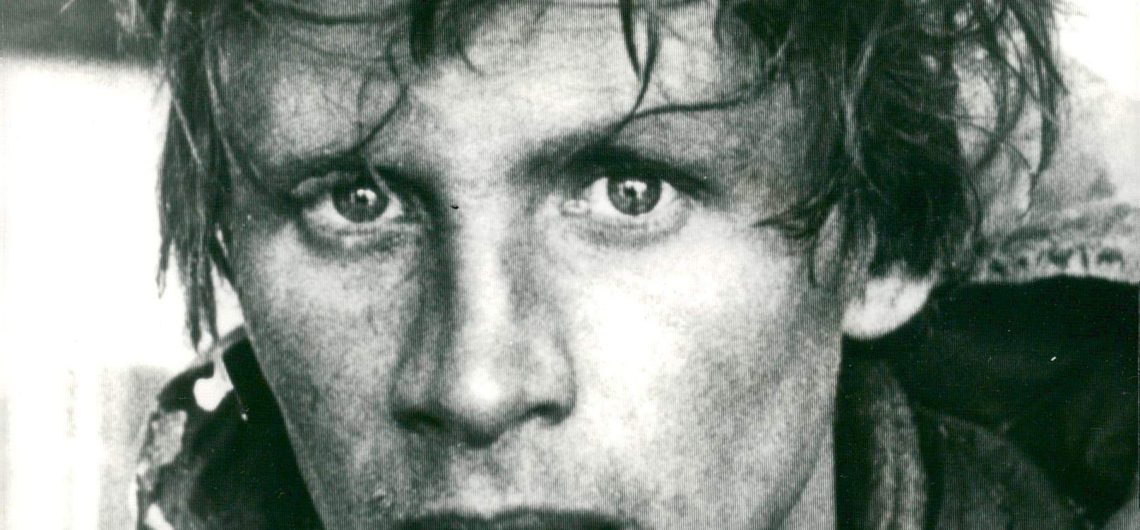
Duncan "Dougal" Curdy MacSporran Haston was a Scottish climber who was known for his many accomplishments in the Himalayas, the Alps, and the British Isles. He was born on April 19, 1940, and passed away on January 17, 1977. Before his death in an avalanche while skiing above Leysin, he served as the director of the International School of Mountaineering in Leysin, Switzerland, beginning in 1967. He remained in this position until the time of his passing. According to what they stated, he left this place by himself the previous day to go skiing above Leysin, with the intention of coming back the same evening. After his failure to appear, a search and rescue operation was initiated, and his footprints were found to be associated with an avalanche that had occurred the day before at the Solacyre ski lift near the slopes. After searching through the hard-packed slide with rescue dogs, teams were able to locate his corpse buried in the snow. Haston had his secondary education at West Calder High School. He was born in Currie, which is located on the suburbs of Edinburgh. At an early stage in his career, he collaborated with Robin Smith to climb a number of new routes in Scotland. The two were able to establish themselves as potential stars through the use of routes such as "The Bat on the Carn Dearg Buttress of Ben Nevis." In 1962, Smith was killed in a tragic accident. Haston was given a sentence of sixty days in jail in 1965, one month before to his rise to the position of Harlin Direct on the Eiger. He was found guilty of driving under the influence of alcohol and causing the death of an 18-year-old student. Haston lived on to fulfill the vow he had made in his
Duncan “Dougal” Curdy MacSporran Haston was a Scottish climber who was known for his many accomplishments in the Himalayas, the Alps, and the British Isles. He was born on April 19, 1940, and passed away on January 17, 1977. Before his death in an avalanche while skiing above Leysin, he served as the director of
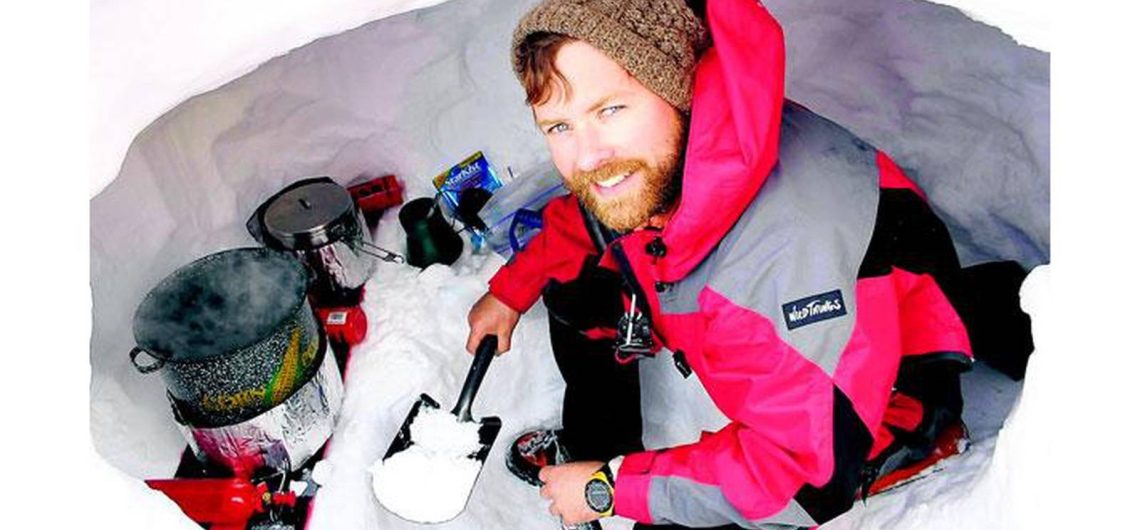
In the history of K2, Ger McDonnell was the first Irishman to achieve victory and reach the summit. McDonnell, however, passed away on the mountain just a few hours after achieving his glorious feat in the year 2008. There is a great deal of mystery surrounding his passing as well as the specific events that took place on the perilous mountain. At about seven o'clock in the evening on August 1, Ger had arrived at the top of K2. During the mission, there had been significant difficulties. A climber from Serbia had unclipped himself from the rope and dropped to his death. Six lines were set in the incorrect location. When they arrived at the peak, all of this had already taken place, but... There is video footage that I have seen from other climbers that was taken there. In their eyes, it appears to be the most incredible event possible. It is possible that the temperature in the death zone would have been exceptionally low. Taking a glance at the photograph of Ger, you will notice that the weather is lovely, the sun is shining, the sky is blue, and Ger is carrying the tricolour above his head. Indeed, he appears to be the happiest guy in the entire planet. On the other hand, they were unaware that it was becoming dark, that there had been a succession of avalanches and serac falls, which are similar to glaciers of ice descending, and that it was beginning to become dark. All of the ropes that had been left out for them had been cut away, which meant that they did not have any obvious ropes to use to bring them back down. The climbers couldn't locate the fixed ropes. Ger and Marco Confortola, an Italian climber, concluded that the best
In the history of K2, Ger McDonnell was the first Irishman to achieve victory and reach the summit. McDonnell, however, passed away on the mountain just a few hours after achieving his glorious feat in the year 2008. There is a great deal of mystery surrounding his passing as well as the specific events that
Toni Kinshofer, born on February 16, 1934, was a German mountaineer whose daring exploits and remarkable achievements left an indelible mark on the world of climbing. Despite his untimely death in 1964, Kinshofer's legacy continues to inspire climbers around the globe. In this blog post, we will delve into Kinshofer's most notable climbs, including the first winter ascent of the Eiger North Face and the historic second ascent of Nanga Parbat. We will also explore the tragic circumstances surrounding his passing and reflect on the enduring impact of his contributions to mountaineering. The First Winter Ascent of the Eiger North Face: In 1961, under the leadership of Toni Hiebeler, Toni Kinshofer embarked on a daring expedition to tackle the formidable Eiger North Face during the harsh winter months. Alongside fellow climbers Walter Almberger and Anderl Mannhardt, Kinshofer displayed remarkable courage and skill as they battled freezing temperatures and treacherous conditions. Over the course of six grueling days from March 6 to March 12, Kinshofer led the team with unwavering determination, navigating sheer cliffs and icy slopes to achieve their historic ascent. Despite the inherent dangers and extreme challenges they faced, Kinshofer and his companions emerged triumphant, marking the first successful winter ascent of the legendary Eiger North Face. Conquering Nanga Parbat: In June 1962, Toni Kinshofer embarked on another ambitious expedition, this time to the towering heights of Nanga Parbat, the ninth highest mountain in the world. Joined by Sigi Löw and Anderl Mannhardt, Kinshofer set his sights on scaling the treacherous Diamir Face, a daunting task that had only been accomplished once before. Battling fierce winds and icy conditions, the team persevered, reaching the summit of Nanga Parbat and etching their names in mountaineering history. However, their triumph was marred by tragedy as Kinshofer's climbing partner, Sigi Löw, tragically
Toni Kinshofer, born on February 16, 1934, was a German mountaineer whose daring exploits and remarkable achievements left an indelible mark on the world of climbing. Despite his untimely death in 1964, Kinshofer’s legacy continues to inspire climbers around the globe. In this blog post, we will delve into Kinshofer’s most notable climbs, including the