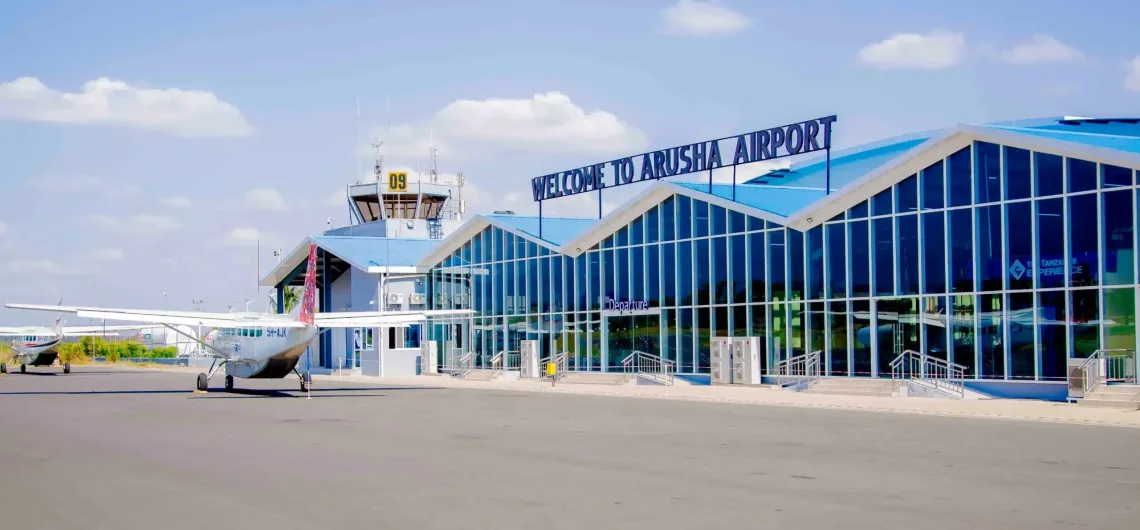
For a long time, Arusha Airport has held a pivotal role in connecting safari goers across Tanzania, moving from park to park and travellers moving in between towns and cities within the country and over the borders of Tanzania. Located in Olasiti, just past the TANAPA headquarters along the Dodoma Road (A104) highway. This is the same road that takes you to Karatu Town, the nearest major town to all the parks and safari destinations isolated in the northern circuit of Tanzania. Ofcourse there is mto wa Mbu and Mwanza towns, but Karatu is more central and accessible. Most people confuse Arusha Airport and the Kilimanjaro International Airport; no, they are not the same, and they are some distance apart. Kilimanjaro International Airport is located on your way to Moshi from Arusha, midway between the towns. If you’ve ever flown into northern Tanzania for a safari, you know the drill: land at Kilimanjaro International (JRO), then endure a bumpy transfer to Arusha before finally heading out to the parks. That extra leg has always been the slightly annoying reality check after a long-haul flight. But as of mid-2025, everything changed. Arusha Airport (ARK/HTAR) officially became an international airport — complete with immigration, customs, and the infrastructure to handle global arrivals. It’s not just a technical upgrade; it’s a genuine game-changer for anyone dreaming of the Serengeti, Ngorongoro Crater, or Mount Meru. I’ve been flying in and out of Arusha for years, and watching this transformation, both utilising this airport and driving by towards Kisongo on my way to Tarangire, Serengeti, Lake Manyara, and Ngorongoro for safari, has been exciting. What was once a sleepy domestic hub just 7 km from the city centre is now positioned as the true “safari capital” airport — slashing transfer times, cutting costs, and putting
For a long time, Arusha Airport has held a pivotal role in connecting safari goers across Tanzania, moving from park to park and travellers moving in between towns and cities within the country and over the borders of Tanzania. Located in Olasiti, just past the TANAPA headquarters along the Dodoma Road (A104) highway. This is
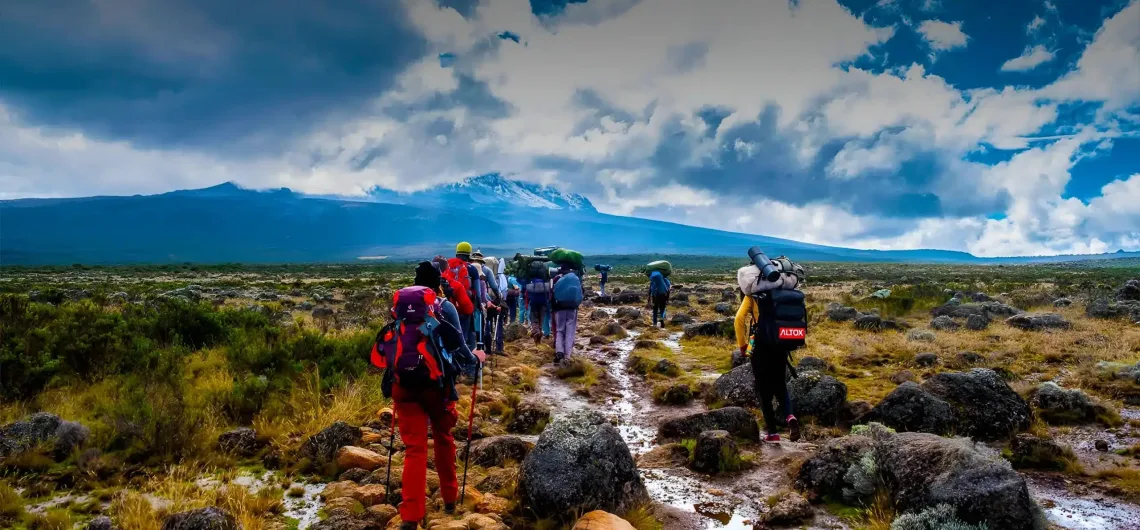
The longer the route and the more the number of days you spend on Mount Kilimanjaro, the better your chances of summiting due to your body getting accustomed and acclimatising better. We usually emphasise, especially with elderly/senior climbers, children and first timers in the mountaineering world, to go for the longer routes for obvious reasons. With these long routes, hiking days are evenly distributed, you trek at a slower pace without rushing, and you get yourself just enough time to deal with high altitude sickness-related symptoms. While the "fastest" route might sound like a badge of honour, the true magic of the Roof of Africa is found in the slow burn. Opting for an 8- or 9-day itinerary isn’t just about playing it safe with altitude—it’s about trading the frantic, crowded "express" paths for a 360-degree immersion into one of the world’s most diverse ecosystems. From the quiet solitude of the Shira Plateau to the near-guaranteed success of a well-acclimatised summit night, taking the long way isn't just a strategy; it's the ultimate way to actually experience the mountain rather than just surviving it. While shorter treks (5–7 days) are popular for their speed and lower cost, the longer routes of 8 days and 9 days stand out for those prioritising safety, enjoyment, and summit success. These extended itineraries allow better acclimatisation to the thin air, reducing the risk of altitude sickness and boosting your chances of reaching Uhuru Peak. If you want to strike a balance between costs, success and time, maybe the 7-day Kilimanjaro treks are for you and worth checking out. Why Choose the Longer Routes? Opting for an 8-day or 9-day trek gives your body more time to adjust to increasing altitude. Kilimanjaro's main challenge isn't technical difficulty—it's acute mountain sickness (AMS), which affects many climbers
The longer the route and the more the number of days you spend on Mount Kilimanjaro, the better your chances of summiting due to your body getting accustomed and acclimatising better. We usually emphasise, especially with elderly/senior climbers, children and first timers in the mountaineering world, to go for the longer routes for obvious reasons.
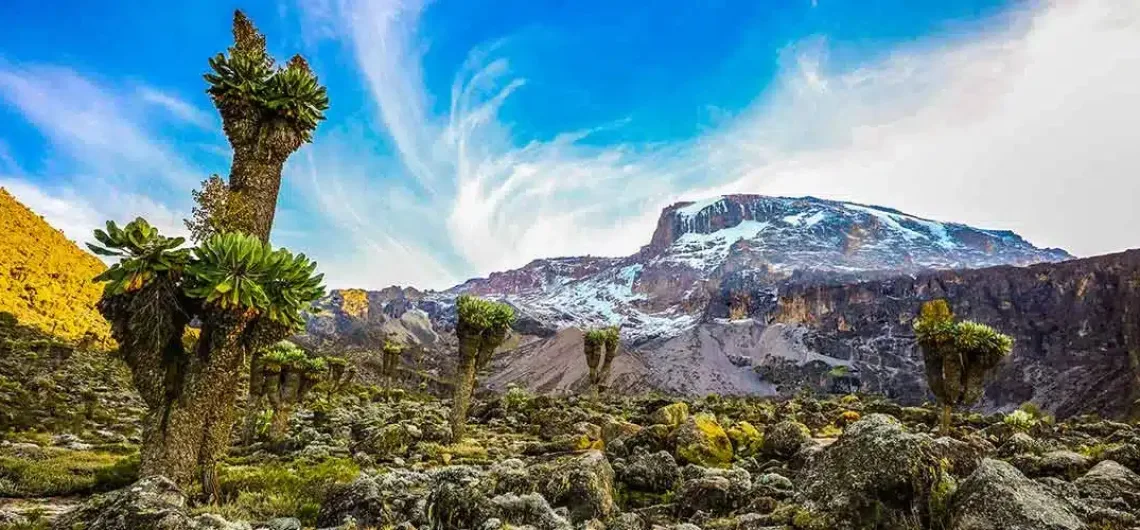
Choosing the best 7 day Kilimanjaro treks should not be a challenge. Most climbers love to spare a week for tackling this mountain in Tanzania, but sometimes struggle to get the most appropriate route and itinerary for their liking and purpose. We usually advise our clients to choose a route that offers ample time for acclimatisation, and the day-to-day trekking hours are evenly spread out. The 7 day Lemosho Route is not the same as the 7 day Machame Route. The determining factors that we usually ask are what is your age, what fitness level are you in? Do you have any previous climbing experience in high-altitude mountaineering? Are you comfortable scaling over high walls and rocks? If we take two routes here, for example, the 7 day Machame Route and the 7 day Rongai Route, you realise that they are both within the recommended timeframe for offering ample acclimatisation, they both last seven days, they are both scenic, but what is the main difference? Now, here we have to take into consideration a few factors. If you love soaking in the scenery and you are up for a challenging climb, we can recommend the popular Machame Route. But if you prefer a less challenging trek and you want to climb Mount Kilimanjaro when the weather is unpredictable, like around May, nearing April during the rains or October nearing November, we would recommend the Rongai Route 7 days, which takes its course in the northern leeward slopes with receive minimal to no precipitation all year round. While treks can vary in length, 7-day itineraries strike a popular balance, offering enough time for acclimatisation while fitting into a standard vacation schedule. This article explores the ins and outs of these one-week adventures, from route options to essential tips. Why Choose One
Choosing the best 7 day Kilimanjaro treks should not be a challenge. Most climbers love to spare a week for tackling this mountain in Tanzania, but sometimes struggle to get the most appropriate route and itinerary for their liking and purpose. We usually advise our clients to choose a route that offers ample time for
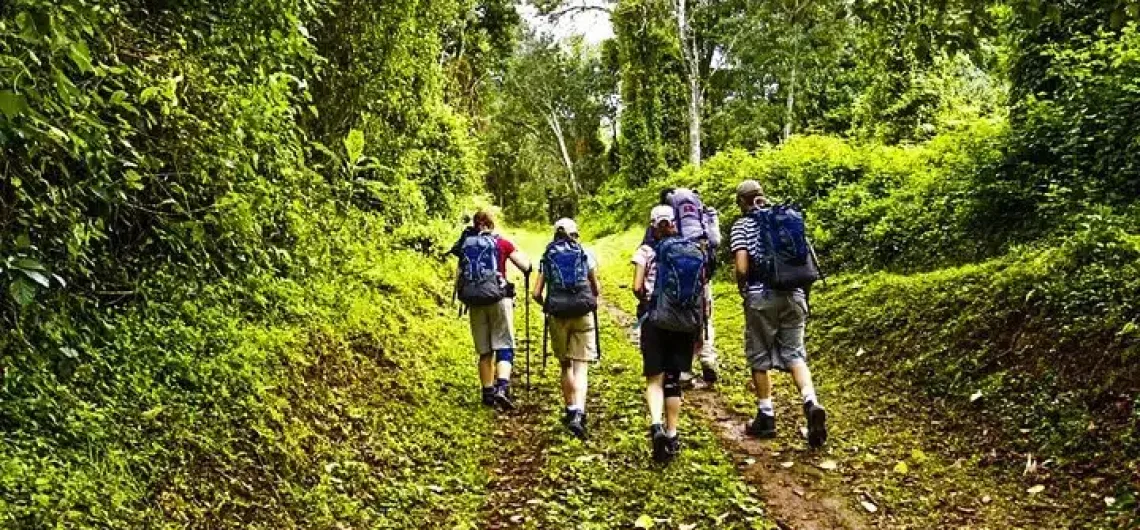
Short multi day treks are doable on Mount Kilimanjaro. Apart from one-day hiking tours that we offer, you can climb Kilimanjaro in 2-5 days. Although the short 2 days, 3-day and 4-day treks might not be enough to take you to the summit, the 5 day Kilimanjaro trek via the Marangu Route is the shortest itinerary offered for taking you to the summit of the mountain at Uhuru Peak (5,895m). While longer routes dominate for acclimatisation and success, shorter 2 to 5-day treks provide accessible adventures for those with limited time, focusing on lower elevations, scenic hikes, and partial ascents. These multi-day excursions immerse you in the mountain's diverse zones without the intense summit push, making them ideal for beginners or casual explorers. You might have heard about the record breakers, taking hours or even shorter days to get to the peak and back. These are special cases, but the truth is, they require special permits, and to reach the summit, you need to pay for at least 5 days. So this means that 5 days is the shortest full Kilimanjaro trekking package, and it can only be done using the Marangu Route. Anything less than 5 days is limited to lower, non-summit hikes. Book our 5-day Marangu Route Trek today Why Choose Short Multi-Day Treks Short 2 to 5-day treks on Kilimanjaro appeal to travellers seeking a taste of the mountain's magic without committing to a week-long expedition. These hikes emphasise enjoyment over conquest, traversing rainforests, moorlands, and offering glimpses of wildlife like monkeys and birds, all while avoiding the severe altitude challenges of full climbs. They're more affordable treks, often costing $500 to $1,200, and fit into tight schedules, such as weekend getaways or add-ons to safaris. Success rates aren't summit-focused; instead, the goal is safe exploration, with
Short multi day treks are doable on Mount Kilimanjaro. Apart from one-day hiking tours that we offer, you can climb Kilimanjaro in 2-5 days. Although the short 2 days, 3-day and 4-day treks might not be enough to take you to the summit, the 5 day Kilimanjaro trek via the Marangu Route is the shortest