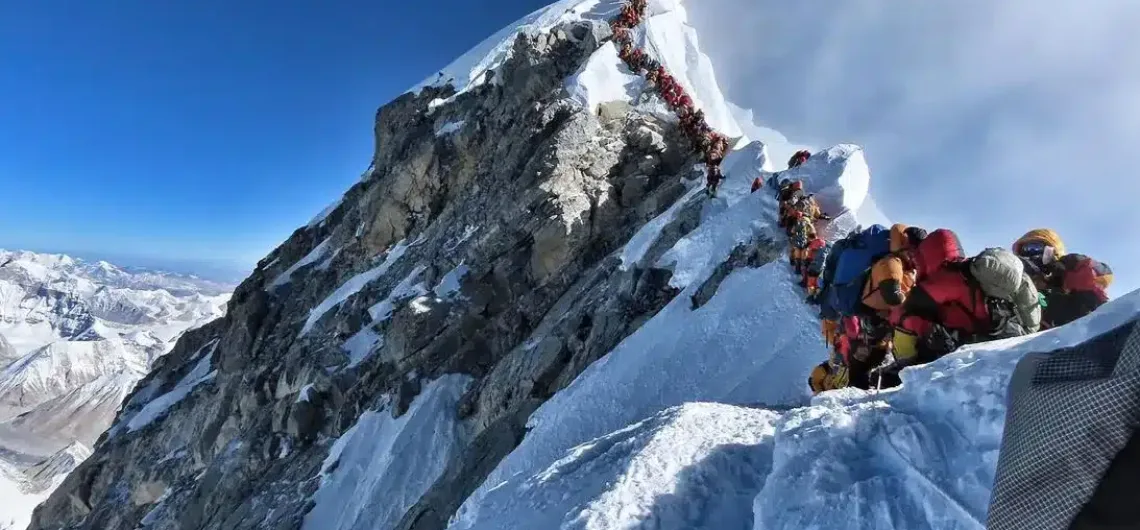
In what could possibly be the most successful summit window of the mountain’s enduring draw, a record 274 climbers summited Mount Everest from the Nepali side on Wednesday, shattering the previous single-day high from that route. The figure comfortably beat the old mark of 223 summits set on 22 May 2019. Because China has issued no permits on the northern (Tibetan) side this season, all attempts this year are funneled through Nepal, making the southern route even busier than usual. Photos and videos from the mountain showed long lines of climbers moving through the final ridge near the summit, particularly in the section known as the “balcony.”Nepali tourism officials described the day as historic but not unexpected, given the volume of climbers. They noted that coordination between expedition teams helped manage the congestion, even though queues formed in the upper sections of the climb. Record Permits, Record Revenue Nepal has issued a record 494 climbing permits this spring season — 389 to men and 105 to women from 55 different countries. At the current fee of $15,000 per permit (an increase from the previous $11,000), the Himalayan nation is set to earn more than $7.4 million from Everest alone this year. Overcrowding Concerns and Safety Mountaineering experts have long warned that large numbers of climbers increase risks, especially in the “death zone” above 8,000 metres, where oxygen levels are critically low. Despite the concerns, many operators say the situation remains manageable when teams are properly equipped.“If teams carry enough oxygen, it is not a big problem,” said Lukas Furtenbach of Austria-based Furtenbach Adventures, who currently has 40 clients on the mountain. He compared the crowds to popular Alpine peaks such as Germany’s Zugspitze, which sees thousands of hikers on its summit on busy days. This season started later than usual
In what could possibly be the most successful summit window of the mountain’s enduring draw, a record 274 climbers summited Mount Everest from the Nepali side on Wednesday, shattering the previous single-day high from that route. The figure comfortably beat the old mark of 223 summits set on 22 May 2019. Because China has issued
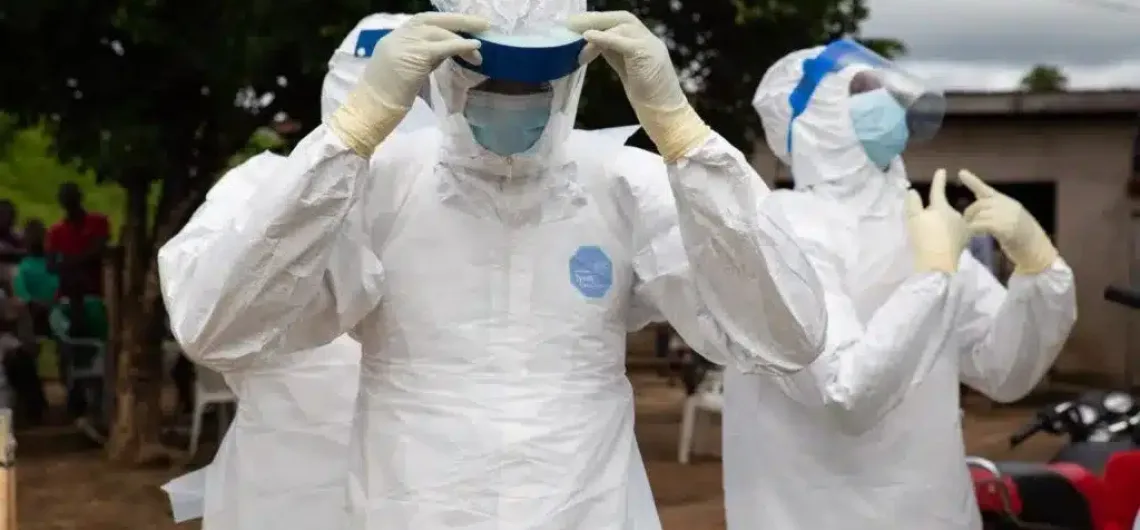
Africa's Ebola outbreaks have been a recurring issue in Uganda and DR Congo, the epicenter of the disease. Still, thankfully, health authorities, in conjunction with the WHO, have always been at the forefront of containing it. As of May 19, 2026, Tanzania has introduced targeted health measures for anyone arriving from or passing through the Democratic Republic of the Congo (DRC) or Uganda. Travelers in these categories must fill out a Traveller’s Surveillance Form and undergo temperature screening at airports, land borders, and seaports. These steps form part of a broader regional effort to monitor movement after the World Health Organization (WHO) declared the ongoing Ebola situation in parts of the DRC and Uganda a Public Health Emergency of International Concern (PHEIC). Tanzania remains free of confirmed Ebola cases and continues to serve as a major gateway for tourists exploring the Serengeti, Ngorongoro Crater, Mount Kilimanjaro, Zanzibar, and other iconic destinations. East African nations, including Tanzania, have ramped up surveillance at key entry points to protect one of the continent’s busiest tourism seasons. Ebola was first identified in 1976 during two simultaneous outbreaks in Nzara, South Sudan, and Yambuku, Democratic Republic of the Congo (DRC). Named after a nearby river in the DRC, the virus primarily spills over from infected wild animals like bats and non-human primates to humans, sparking periodic localized and global health crises. What vaccinations and immunizations are needed to visit Tanzania? Understanding the Current Outbreak The outbreak is centered in northeastern DRC (particularly Ituri Province) and has crossed into Uganda, involving the Bundibugyo strain of Ebola virus. This variant is relatively rare, and no approved vaccine or specific treatment currently exists for it. The WHO has noted that the situation may be expanding more quickly than initially anticipated, partly due to the remote, conflict-affected areas involved. Importantly,
Africa’s Ebola outbreaks have been a recurring issue in Uganda and DR Congo, the epicenter of the disease. Still, thankfully, health authorities, in conjunction with the WHO, have always been at the forefront of containing it. As of May 19, 2026, Tanzania has introduced targeted health measures for anyone arriving from or passing through the
HAPE (High-Altitude Pulmonary Edema) and HACE (High-Altitude Cerebral Edema) are the two life-threatening advanced forms of altitude sickness that can strike on Mount Kilimanjaro, most commonly during or after the summit night push from high camps like Barafu, Kosovo, Kibo Hut, or School Hut. They represent the body’s failure to acclimatize properly to the extreme hypoxia (oxygen levels roughly half of sea level at 5,895 m / 19,341 ft on Uhuru Peak). While mild Acute Mountain Sickness (AMS) is common and usually manageable, HAPE and HACE develop when fluid leaks into the lungs (HAPE) or brain swelling occurs (HACE). They can progress rapidly—sometimes within 6–24 hours—and have caused fatalities on Kilimanjaro despite the mountain’s non-technical nature. The good news is they are almost always preventable with the longer itineraries (Northern Circuit, extended Lemosho or Rongai), proactive hydration/electrolytes, natural remedies like Rhodiola and ginger, and immediate recognition of early symptoms. These conditions rarely appear out of nowhere; they usually follow ignored or worsening mild AMS (headache, nausea, fatigue). On Kilimanjaro, risk peaks above 4,500–5,000 m during the cold, dark summit night or the first 24–48 hours at high camps. Tranquil Kilimanjaro guides are trained to spot them, but you must know the key signs yourself—your life may depend on it. HAPE – High-Altitude Pulmonary Edema (Fluid in the Lungs) HAPE is the more frequent life-threatening form on Kilimanjaro (roughly 0.5–1% incidence overall, higher on rushed ascents). It happens when low oxygen causes blood vessels in the lungs to constrict unevenly, raising pressure and forcing fluid into the air sacs. It can kill within hours if untreated, but descent of even 500–1,000 m often reverses it dramatically. Key symptoms (appear at rest, not just during exertion): Severe shortness of breath even when sitting or lying still (you feel like you can’t catch
HAPE (High-Altitude Pulmonary Edema) and HACE (High-Altitude Cerebral Edema) are the two life-threatening advanced forms of altitude sickness that can strike on Mount Kilimanjaro, most commonly during or after the summit night push from high camps like Barafu, Kosovo, Kibo Hut, or School Hut. They represent the body’s failure to acclimatize properly to the extreme
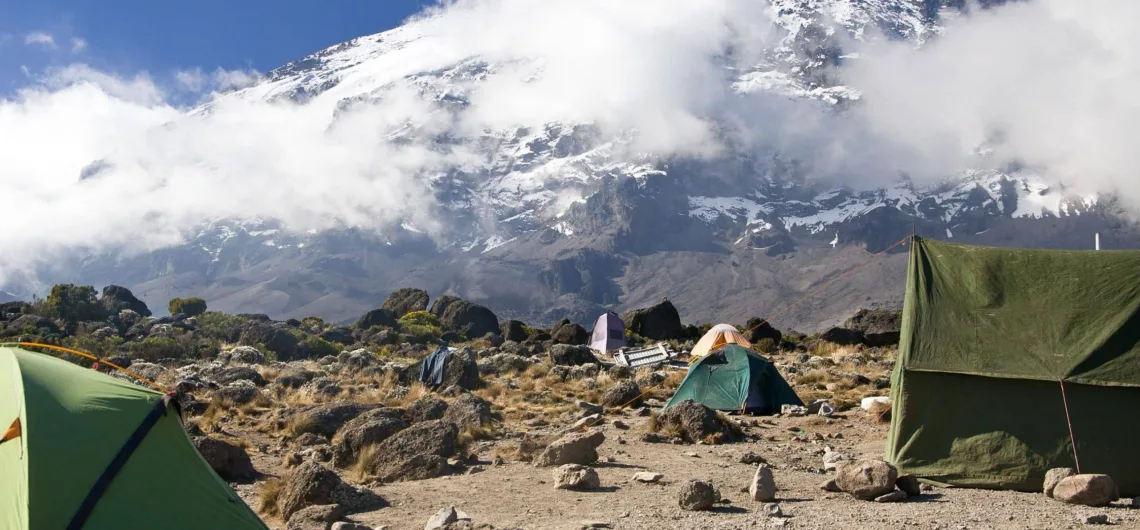
All high camps on Kilimanjaro serve as the final staging points for the summit push to Uhuru Peak (5,895 m / 19,341 ft), typically after 5–8 days of trekking depending on your route. Though not similar to Everest basecamp, Mount Kilimanjaro has a mixture of base camps, like Barafu and Kibo Hut, that serve multiple routes and high camps serving the same purposes. These camps sit in the harsh alpine desert zone (4,600–4,900 m), where oxygen is roughly half sea-level values, nights plummet to –10°C to –20°C, and the landscape turns to loose volcanic scree, boulders, and sparse lichens. From here, the classic “summit night” begins between midnight and 2 a.m. with headlamps cutting through darkness for a 6–9 hour grind upward, followed by a grueling descent. There are effectively five main high camps (plus the ultra-high Crater Camp option), used across the seven official routes. Routes converge on shared paths higher up, but your high camp determines the exact starting elevation, crowd level, distance to the crater rim, and which sub-summit (Stella Point or Gilman’s Point) you hit first. Longer, non-touristic routes like the Northern Circuit or extended Lemosho often allow quieter or higher camps, giving better acclimatization and a slight edge on summit night. Here’s a complete breakdown of every high camp, the routes that use it, and the precise journey from that camp to Uhuru Peak (based on standard 2026–2028 operator itineraries and climber reports). All distances and times are approximate; actuals vary with fitness, weather, and pacing (“pole pole”). 1. Barafu Camp (4,670 m / 15,320 ft) – The Southern “Ice Camp” Routes: Lemosho (standard 7–8 days), Machame (6–7 days), Umbwe (6–7 days). Notes: The most commonly used high camp is rocky, exposed, and often crowded (dozens of tents). Windy with spectacular views of Mawenzi Peak.
All high camps on Kilimanjaro serve as the final staging points for the summit push to Uhuru Peak (5,895 m / 19,341 ft), typically after 5–8 days of trekking depending on your route. Though not similar to Everest basecamp, Mount Kilimanjaro has a mixture of base camps, like Barafu and Kibo Hut, that serve multiple
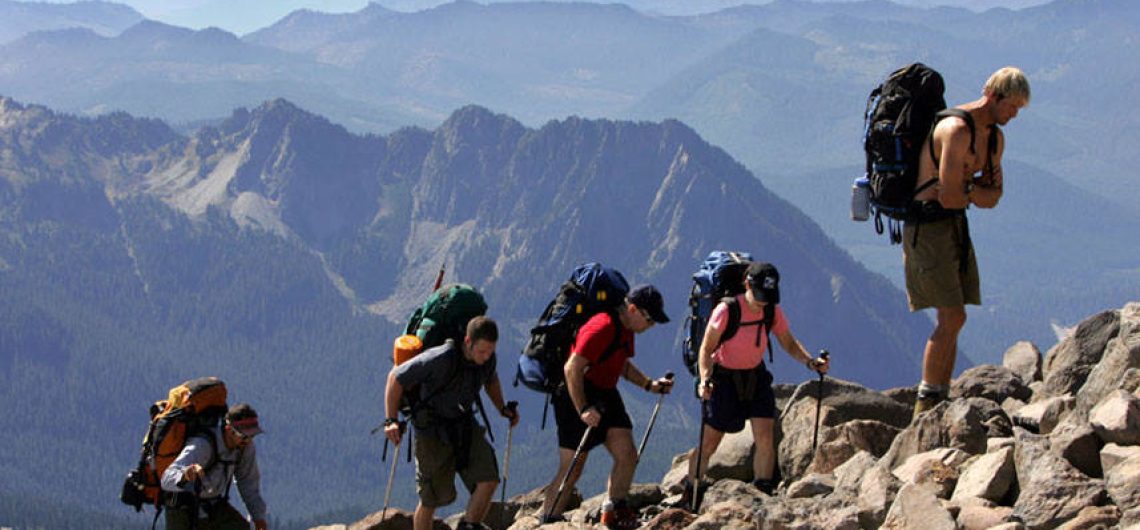
Organic, natural, and traditional remedies for altitude symptoms have been part of human high-mountain life for centuries, long before modern medicine named acute mountain sickness (AMS), high-altitude pulmonary edema (HAPE), or cerebral edema (HACE). These symptoms—headache, nausea, fatigue, dizziness, shortness of breath, and disrupted sleep—stem from the body’s struggle with lower oxygen pressure above about 2,500–3,000 m. While no plant or herb can fully replace the proven power of slow ascent, proper hydration, and (when needed) pharmaceutical aids like acetazolamide, a growing body of traditional knowledge and recent clinical reviews shows that certain organic remedies can meaningfully ease the transition, reduce symptom severity, and support the body’s own acclimatization processes as articulated by the CDC. What makes these remedies “organic and natural” in practice is their reliance on whole plants, roots, leaves, or simple preparations—often grown or foraged at altitude themselves—rather than synthetic isolates. Traditional systems (Tibetan, Andean, Chinese, and scattered highland African practices) emphasize prevention through daily use, symptom relief through targeted teas or chews, and synergy with lifestyle habits like carb-heavy meals and rest. Evidence varies: some remedies now have randomized-trial support and meta-analyses (especially from 2023–2025 research), while others remain rooted in generational observation. For climbers heading to places like Uhuru Peak, these can serve as thoughtful companions on longer acclimatization itineraries, not quick fixes. Learn about diamox, the most commonly used AMS drug. Rhodiola (Rhodiola rosea / crenulata / algida) – The High-Altitude Adaptogen In Tibetan and Chinese mountain medicine, Rhodiola species—locally called Hong Jing Tian—have been harvested from rocky slopes above 3,000 m for centuries as a tonic against fatigue, cold, and “mountain poison” (the traditional term for altitude distress). Modern extraction focuses on the roots, rich in salidroside and rosavin, which appear to help mitochondria use oxygen more efficiently, blunt inflammatory cascades triggered by
Organic, natural, and traditional remedies for altitude symptoms have been part of human high-mountain life for centuries, long before modern medicine named acute mountain sickness (AMS), high-altitude pulmonary edema (HAPE), or cerebral edema (HACE). These symptoms—headache, nausea, fatigue, dizziness, shortness of breath, and disrupted sleep—stem from the body’s struggle with lower oxygen pressure above about