
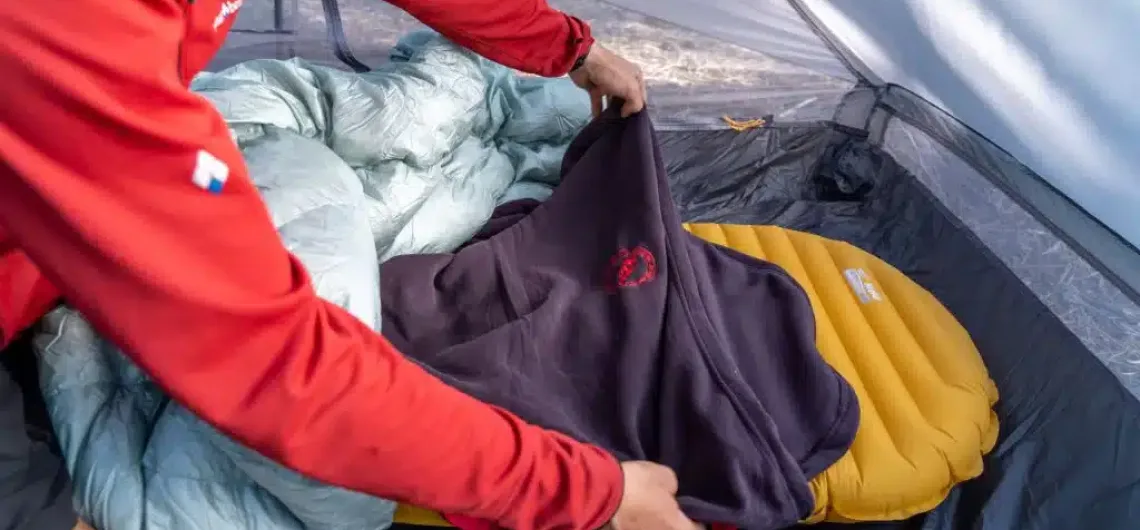
Sleeping well on Mount Kilimanjaro is just as important as your daytime gear and physical training. At high camps (especially Barafu at 4,700 m and Crater Camp at 5,700 m), nighttime temperatures regularly drop to -10°C to -20°C (14°F to -4°F), sometimes feeling even colder due to windchill and the thin air at altitude. Your body is already stressed from the day’s exertion and lower oxygen levels, which makes quality sleep essential for recovery, reducing the risk of altitude sickness, and maintaining the strength needed for the long summit push.A well-planned sleep system — consisting of your sleeping bag, sleeping pad, liner, and the right clothing — can make the difference between waking up refreshed and waking up exhausted and cold. Many climbers underestimate how cold the nights get above 4,000 m, especially during the popular dry seasons (January–February and June–September). The following guide provides detailed, practical advice based on recommendations from experienced guides, reputable operators, and thousands of successful summiteers.
1. What to Wear Inside the Sleeping Bag
The key principle is to wear clean, dry, layered clothing that traps body heat without causing you to sweat inside the bag. Wet or damp clothes conduct heat away from your body and can make you much colder.
Recommended sleep outfit (layer by layer):
- Base Layer (Next to Skin): A high-quality merino wool or synthetic thermal top and bottoms (long underwear). Merino is preferred because it naturally resists odor, wicks moisture effectively, and stays warm even when slightly damp. Choose a set with good stretch for comfort.
- Mid Layer: A lightweight or mid-weight fleece jacket or pullover. This adds significant insulation without much bulk. On the coldest nights (especially at Barafu or higher), many climbers also wear their summit down jacket inside the sleeping bag.
- Legs: Thermal leggings + soft fleece pants or your hiking pants if they are clean and dry. Some people wear insulated trekking pants designed for cold weather.
- Feet: Always change into a fresh, dry pair of warm merino wool socks. Never sleep in the socks you hiked in all day — they will be damp with sweat and will chill your feet.
- Head and Neck: A warm fleece beanie or balaclava is essential. Up to 40% of body heat can be lost through the head at altitude. A neck gaiter or buff also helps seal in warmth.
- Hands (Optional): Thin liner gloves if your hands tend to get cold.
Important Rules:
- Always change into your sleep clothes before getting into the bag — doing this while already in the bag makes everything damp and messy.
- Avoid wearing too many layers if you tend to overheat; you can always add more during the night.
- Keep a headlamp, water bottle, and snacks near the top of your bag for easy access during the night.
2. Sleeping Bag Liner – Why It’s Highly Recommended
A sleeping bag liner is one of the most useful and cost-effective items you can bring on a Kilimanjaro climb.Main Benefits:
- Extra Warmth: Adds between 2°C and 8°C+ (depending on the material), which can turn a marginal sleeping bag into a reliable one for high camps.
- Hygiene: Protects your sleeping bag from sweat, dirt, and body oils — extremely important if you are renting a bag from your operator.
- Versatility: Can be used by itself on warmer nights in the lower camps (rainforest and moorland zones).
- Easy Maintenance: Liners are much lighter and easier to wash than a full sleeping bag.
- Comfort: Provides a smoother, softer feel against your skin.
Best Types of Liners for Kilimanjaro:
| Liner Type | Warmth Added | Weight | Best For | Price Range |
|---|---|---|---|---|
| Silk Liner | 2–4°C | Very light | Cleanliness & minimal extra warmth | $30–60 |
| Thermolite / Synthetic (e.g. Sea to Summit Reactor) | 5–10°C+ | Light–Medium | Best all-round choice for most climbers | $50–90 |
| Fleece / Microfleece Liner | 8–12°C+ | Heavier | Very cold sleepers | $60–100 |
Top Recommendation: The Sea to Summit Thermolite Reactor (midweight) is the most popular choice among Kilimanjaro climbers. It offers an excellent balance of warmth, packability, and durability.
Final Sleep System Checklist
- Sleeping bag (Comfort rating -10°C to -18°C or colder)
- High R-value sleeping pad (R-4.0+)
- Sleeping bag liner
- Full set of clean, dry base layers + fleece
- Warm socks + beanie
- Inflatable pillow or stuff sack
A properly set-up sleep system will dramatically improve your comfort and recovery on the mountain. Many climbers say that investing in good sleep gear was one of the best decisions they made for their Kilimanjaro success.
- How to properly store your sleeping bag before your Mount Kenya, Kilimanjaro, Mout Meru and Rwenzori Trek
- What is the temperature rating of a sleeping bag for Kilimanjaro?
- What sleeping bag would you recommend for climbing up Mount Kilimanjaro?
- Can I rent a sleeping bag and mattress for the Kilimanjaro climb?
- Sleeping Bags
- SLEEPING CONDITIONS ON KILIMANJARO
- Mountain Tents, Sleeping Tents for Mount Kilimanjaro & Mount Kenya

