
Some climbers insist on bringing a pee bottle with them on their hike. Others find it repulsive and refuse to use it. Even though it may appear weird at first, there are a number of circumstances in which a pee bottle will be quite useful. You don’t have to leave your tent in the middle of the night to use the restroom, for example. It may just be cold on certain nights, but there may be occasions when the weather on Kilimanjaro makes it impossible to leave your tent. If things grow tense, it may even be hazardous. It’s possible that the problem isn’t with the weather, but with your bladder.
Having to urinate many times during the night might be inconvenient for you, but it can also be disruptive to your spouse. You can conveniently dispose of your urine in the comfort of your tent with a pee bottle. Also, once you’ve filled your bottle, you may use it to keep your hands or feet toasty on cold evenings.
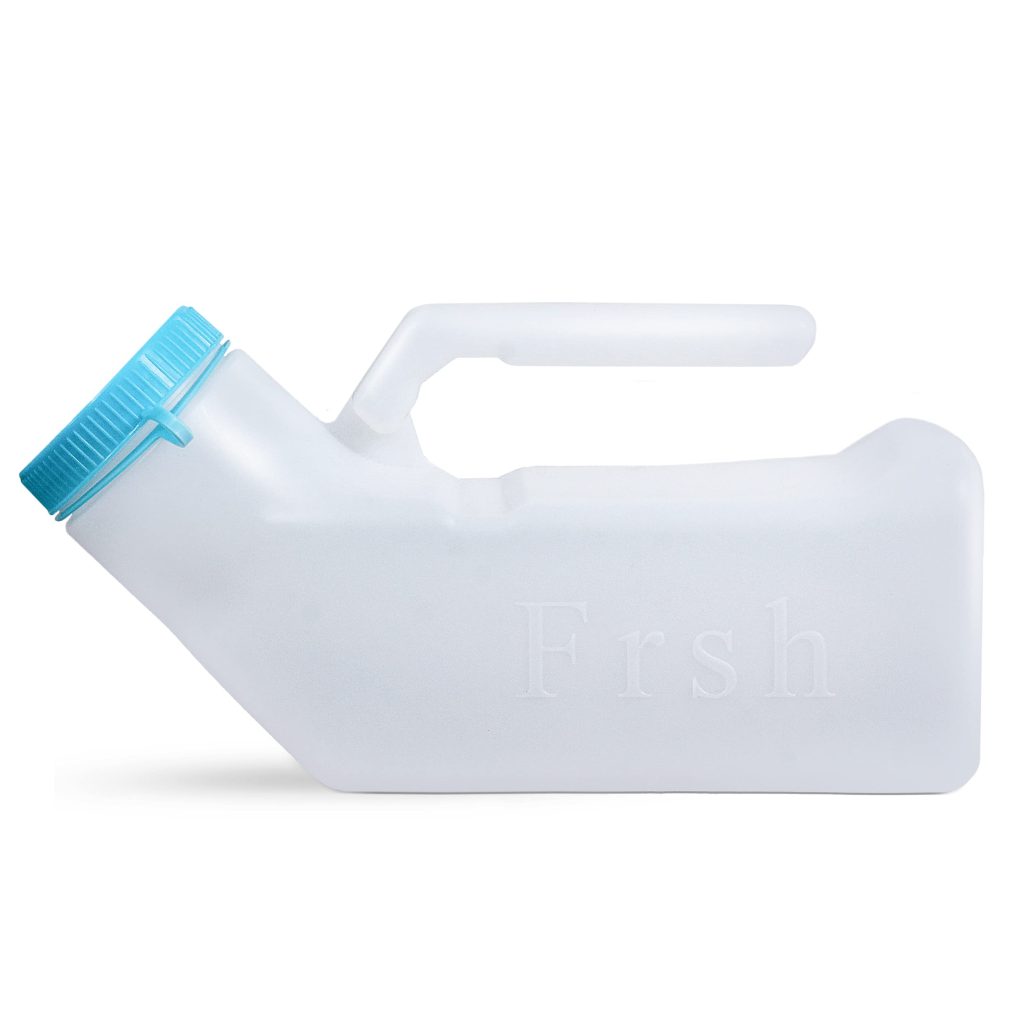
Main Reasons
- Extreme cold at night — Temperatures drop well below freezing, often to -10°C (14°F) or colder at higher camps. Getting out of your sleeping bag, putting on boots/layers, and exiting the tent is miserable and can disrupt sleep for everyone.
- Summit night (the biggest factor) — The push to Uhuru Peak starts around midnight or 1 AM. You’re already sleep-deprived, dehydrated from altitude, and it’s pitch dark and windy. Multiple bathroom trips waste time, energy, and body heat.
- Hydration is critical — You need to drink 3–5 liters of water daily to combat altitude sickness. This means more frequent urination, especially at night.
- Safety and convenience — No stumbling around rocky/icy terrain in the dark. It’s also considerate to tentmates (less cold air let in, fewer zippers).
Many climbers say it’s one of the best “luxury” items they brought, even if it feels odd at first.
How It Works
- Men: Usually use a wide-mouth bottle (e.g., spare Nalgene or collapsible pee bottle).
- Women: Use a She-Wee (or similar female urination device) + bottle/funnel system.
- Practice beforehand and label the bottle clearly (never mix it up with your water bottle!).
- Empty and rinse it each morning (discreetly at camp).
Alternatives
- Some luxury operators provide a private toilet tent right next to your tent (highly recommended if available).
- Public long-drop toilets exist at camps but can be far, dark, and unpleasant at night.
A pee bottle is cheap, lightweight, and makes a big difference in comfort and rest—key factors for summit success. It’s a small thing that helps you stay warm, hydrated, and focused on the climb!

