We know how strong the call of the mountains is, so we’ve hand-picked the top climbing articles to save you time. A blog may inspire, challenge, and encourage you with everything from how-to articles to breaking news and epic summit tales. The finest mountaineering blogs are jam-packed with first-hand knowledge and personal guidance, as well as motivation to get you outside and services to connect you with other explorers or possible teammates. Welcome to our Top blog feeds and blog and we hope you enjoy our content, and hopefully book a climbing spot with Tranquil Kilimanjaro.
On December 24, 2025, around 5:30 in the evening local time, a rescue helicopter—an Airbus model run by KiliMedAir—crashed high up on Mount Kilimanjaro in Tanzania. People who saw it said the chopper took off from the designated landing and take off area at Barafu Camp and then dropped out of the sky just a few minutes later. Sadly, all five people on board died in the accident. It is not yet clear what caused the accident but investigations are still on going to determine the source of the crash Who were on board the ill-fated helicopter? They were two climbers from the Czech Republic, Mr David Plos and Ms. Anna Plosova (both 30 years old), a Tanzanian tour guide named Innocent Mbaga (or sometimes listed as Jimmy Mbaga), a Tanzanian doctor called Jimmy Daniel, and the pilot, Constantine Mazonde, who was from Zimbabwe. The helicopter was on a medical evacuation mission, heading to pick up sick climbers when it went down between Barafu Camp and the area near Kibo Peak. View this post on Instagram A post shared by Tanapa Updates (TANAPA) (@tanapa_updates) The crash site was way up there, around 4,700 meters (about 15,400 feet) above sea level, in a tough spot on the southeast side of the mountain. Guides and porters on the mountain who were nearby hurried over to help with rescue efforts, but when they got there, no one had survived. Mount Kilimanjaro is the tallest mountain in Africa, standing almost 6,000 meters high, and every year about 50,000 people try to climb it. Things like this don't happen often—the last bad helicopter crash on the mountain was back in 2008. The Kilimanjaro Regional Police Force has confirmed the deaths of five people who died in a helicopter crash that followed tourists to
On December 24, 2025, around 5:30 in the evening local time, a rescue helicopter—an Airbus model run by KiliMedAir—crashed high up on Mount Kilimanjaro in Tanzania. People who saw it said the chopper took off from the designated landing and take off area at Barafu Camp and then dropped out of the sky just a
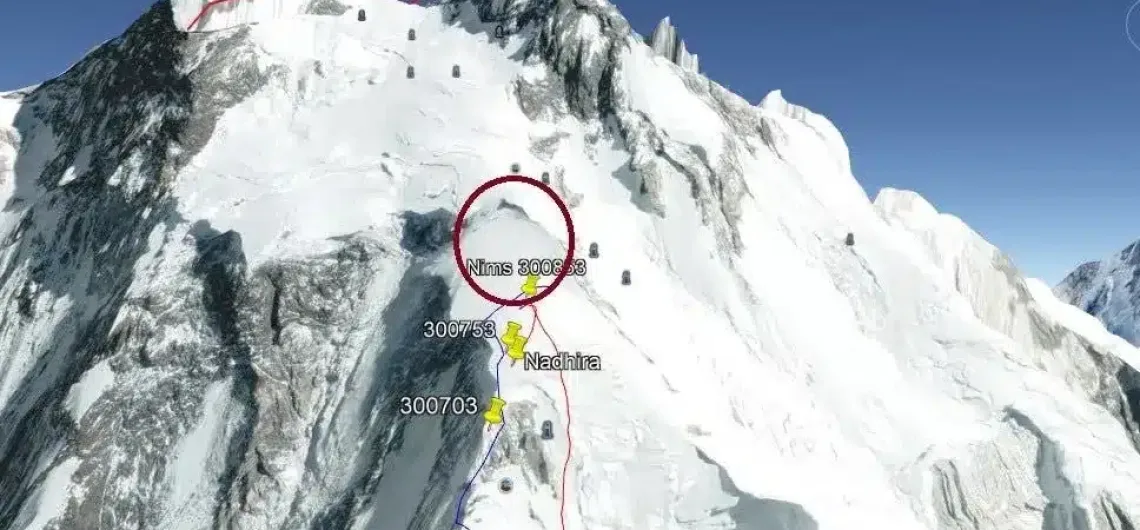
Reknown ski mountaineer, Jim Morrison just did what many would term impossible, many have thought of it, many have treid but failed, a good example is Marco Siffredi, whom in 2002, lost his life attempting to Ski down Mount Everest via the dreaded Horbein Coloir. Marco Siffredi was a French snowboarder who disappeared while attempting to snowboard down the Hornbein Couloir, a route nicknamed the "Holy Grail" of ski mountaineering. Jim Morrison was inspired in part by Siffredi's tragic story, as documented in a National Geographic film. Imagine that, a t 50 years and still mourning the death of his partner, Hilaree Nelson, who died during a ski descent on Mount Manaslu in Nepal in 2022. After spreading her ashes on Everest in respect, he became the first person ever to ski down Mount Everest's Hornbein Couloir, a super steep and narrow chute on the mountain's North Face that's been called "the last great problem" in ski mountaineering. It's like he took one of the planet's toughest routes and turned it into his personal ski slope. I mean, Everest is already nuts to climb, but skiing it? That's next level. Let me break down how he made this happen, from the emotional drive behind it to the gritty details of the descent. It's a tale of grit, loss, and straight-up skill. Years of Planning and Failed Attempts Pulling off a ski descent like this doesn't happen overnight. Jim had been eyeing the Hornbein Couloir for years, knowing it was one of the last unclimbed – or unskied – gems on Everest. The route's history is wild: named after Tom Hornbein and Willi Unsoeld, who first climbed it in 1963 as part of the American expedition. It's steep, narrow, and prone to avalanches, with slopes averaging 50 degrees and spots hitting
Reknown ski mountaineer, Jim Morrison just did what many would term impossible, many have thought of it, many have treid but failed, a good example is Marco Siffredi, whom in 2002, lost his life attempting to Ski down Mount Everest via the dreaded Horbein Coloir. Marco Siffredi was a French snowboarder who disappeared while attempting
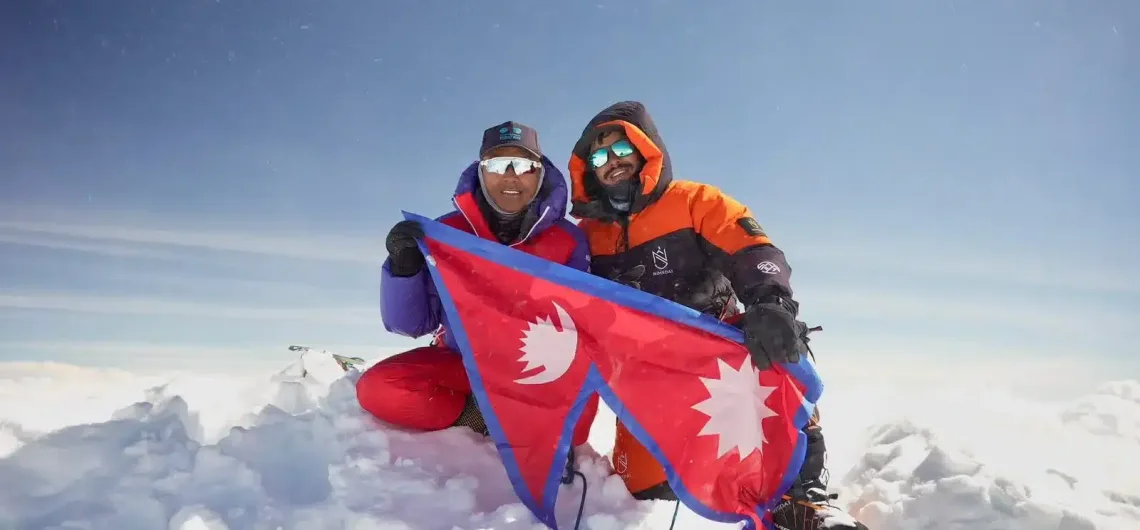
Picture this: two men, roped together on a sheer wall of ice and rock that towers over two kilometres high. The wind howls like a wild beast, whipping snow into their faces. Below them, a sea of jagged peaks stretches into the haze, and above, a summit that's mocked climbers for decades. It's October 2025 in the heart of the Himalayas, and French alpinists Benjamin Védrines and Nicolas Jean are on the brink of something extraordinary. After years of dreaming, planning, and one heart-wrenching failure, they've just crested the final ridge of Jannu East—a 7,468-metre monster that's stood unclimbed until now. This isn't just another tick on a list of high-altitude conquests. Jannu East has been the white whale of Himalayan mountaineering, a peak so steep, so remote, and so riddled with objective dangers that it's turned back elite teams for over 30 years. Védrines and Jean didn't just climb it; they pioneered a new route up its North Face via the East Ridge in pure alpine style. No fixed ropes, no siege tactics with porters hauling gear up in stages. Just the two of them, a lightweight rack of gear, and four relentless days of upward grind. They called their line "Top of the Pikes," a nod to the spear-like spires that guard the summit like ancient sentinels. For Védrines, it's the pinnacle of a career built on speed and audacity. "Summiting Jannu East is undoubtedly the greatest achievement of my mountaineering career," he said later, his voice still thick with emotion. "Climbing such a challenging, long and difficult face in alpine style, on a summit that had never been climbed before, had a profound effect on me. Once we reached the top, after so many trials and tribulations, tears flowed. A dream had come true." And for Jean?
Picture this: two men, roped together on a sheer wall of ice and rock that towers over two kilometres high. The wind howls like a wild beast, whipping snow into their faces. Below them, a sea of jagged peaks stretches into the haze, and above, a summit that’s mocked climbers for decades. It’s October 2025
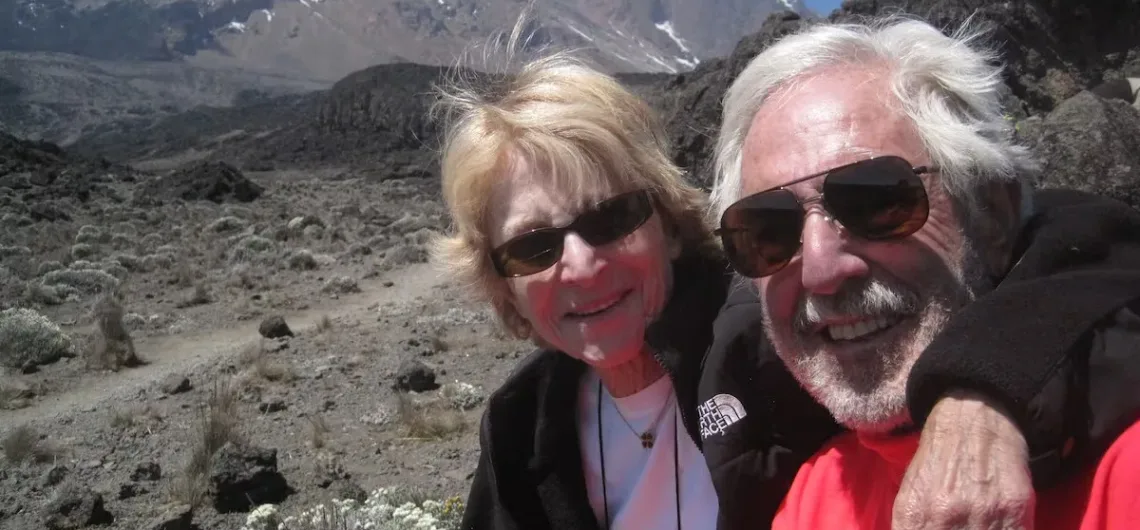
Sometime last year, I got an email. At first glance, it looked like an ordinary email, probably a climber wanting to join a group or get a quote to climb Mount Kilimanjaro privately. Upon the back-and-forth correspondence of emails and WhatsApp messages, something caught my eye. It was not a normal climb that we were to organise, but a whole cause, a cry for a mother, an ambition of a daughter. She was straightforward in what she wanted, but above all, the courage to reach out and open up; she had two worries. One, she wanted to climb Kilimanjaro, but her climbing partner was not just any other ordinary climber; she was a child, just about to turn 10 years old. Ok, the age thing was out of the way because the minimum age for climbers to Kilimanjaro is 10 years. But still, she would need the utmost care from our crew on the mountain, which wasn't the main problem. Number two, she wanted female porters, female guides and female drivers in between transfers. As we continued communicating and planning the trip, she opened up that she was worried about the safety of her only daughter and herself. We have guided female climbers before, solo female climbers, women's groups and climbs of that sort, but she stressed how much that was important. It was when she expressed her safety concerns and explained the situation in India, how girls and women were being raped, that I understood her point and where she was coming from. First, I assured her that we could facilitate an all-female crew; in fact, our Mount Kenya chief guide was a mature woman. I also assured her that on pickup at the airport, I would be the one to personally pick them up instead of sending a
Sometime last year, I got an email. At first glance, it looked like an ordinary email, probably a climber wanting to join a group or get a quote to climb Mount Kilimanjaro privately. Upon the back-and-forth correspondence of emails and WhatsApp messages, something caught my eye. It was not a normal climb that we were