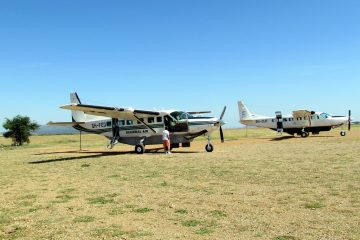
Tanzania Safari Price includes
Park fees
Game drives and activities
All accommodation
A professional driver/ safari guide
All transportation
All Taxes/VAT
Roundtrip airport transfer
Meals
Water / Coffee / Tea or Soft Drinks

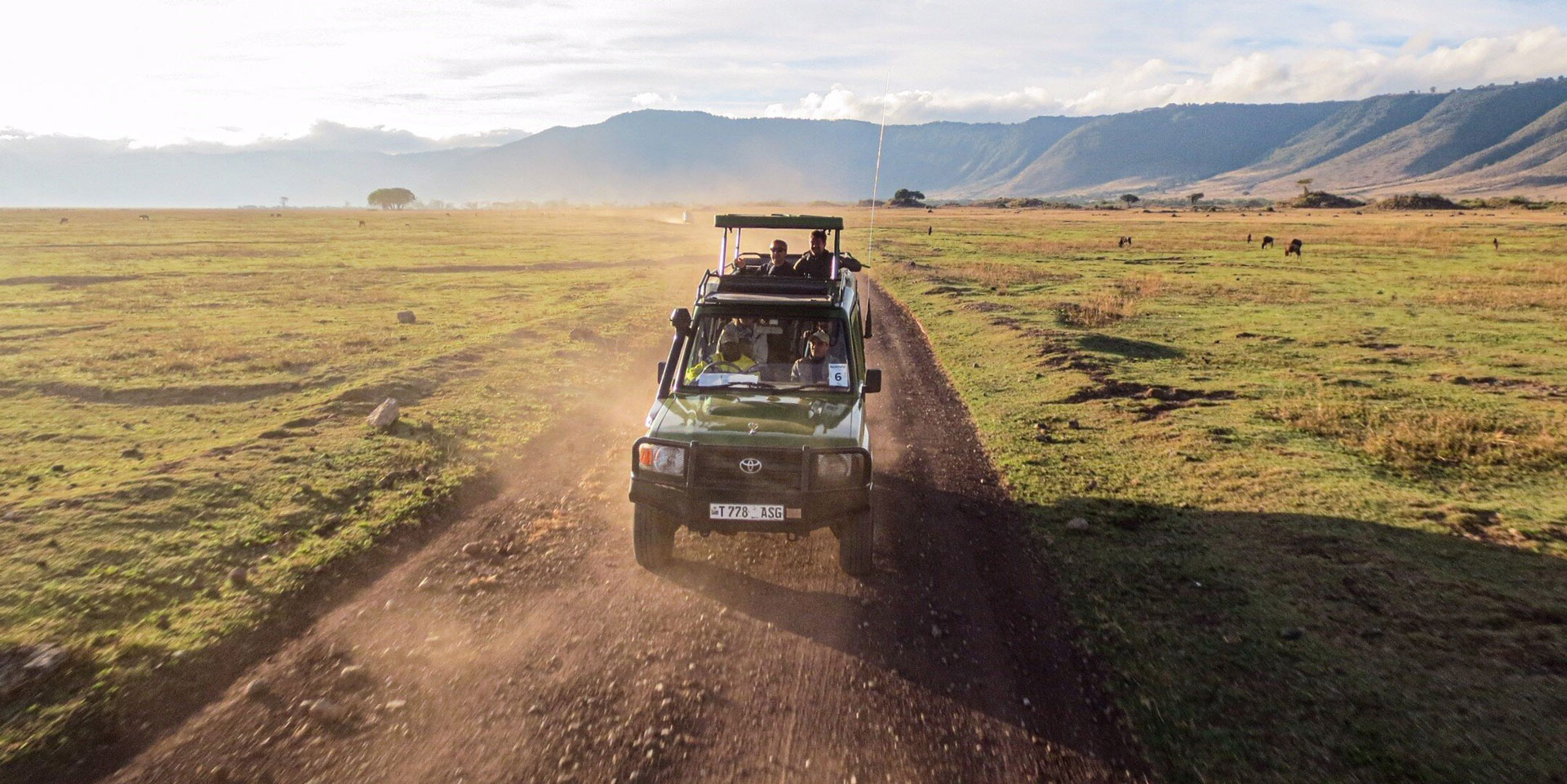
3 days of safari in Ngorongoro which welcomes to one of the most incredible wildlife adventures on the planet! The Ngorongoro Crater in Tanzania is often called the “Eden of Africa” or the “Garden of Eden” – and once you see it, you’ll know why. This massive volcanic caldera, the world’s largest intact and unflooded one, is a natural wonder that formed millions of years ago when a giant volcano collapsed. Today, it’s a UNESCO World Heritage Site, a breathtaking 100-square-mile bowl teeming with life, home to over 25,000 animals in a self-contained paradise.
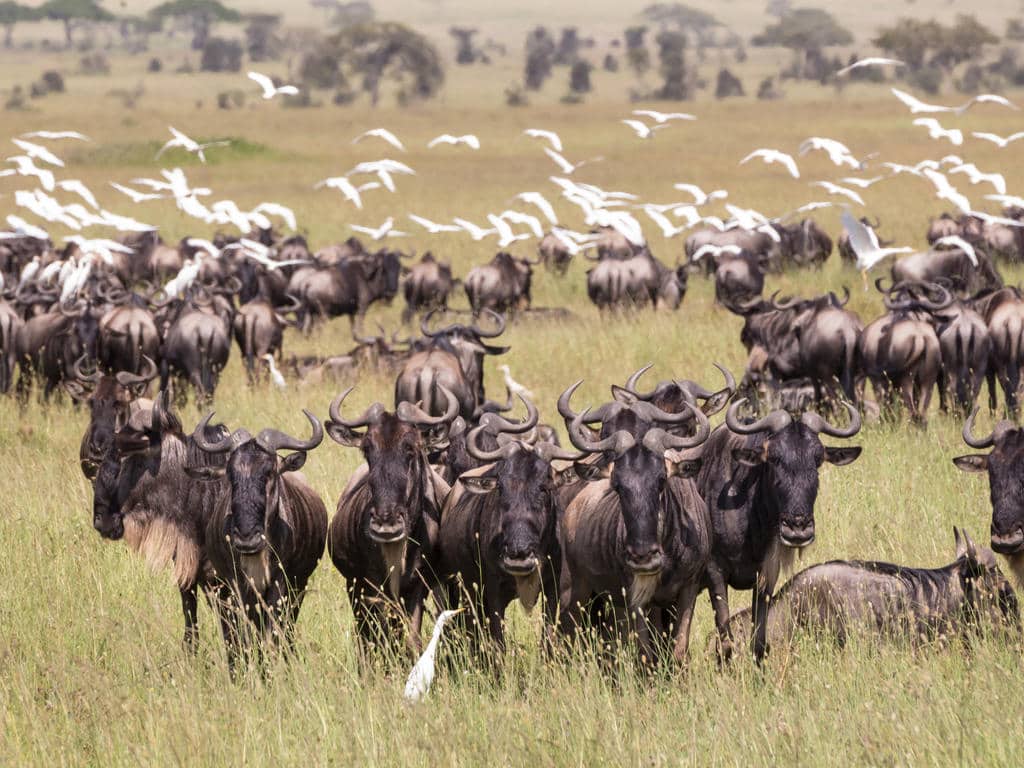
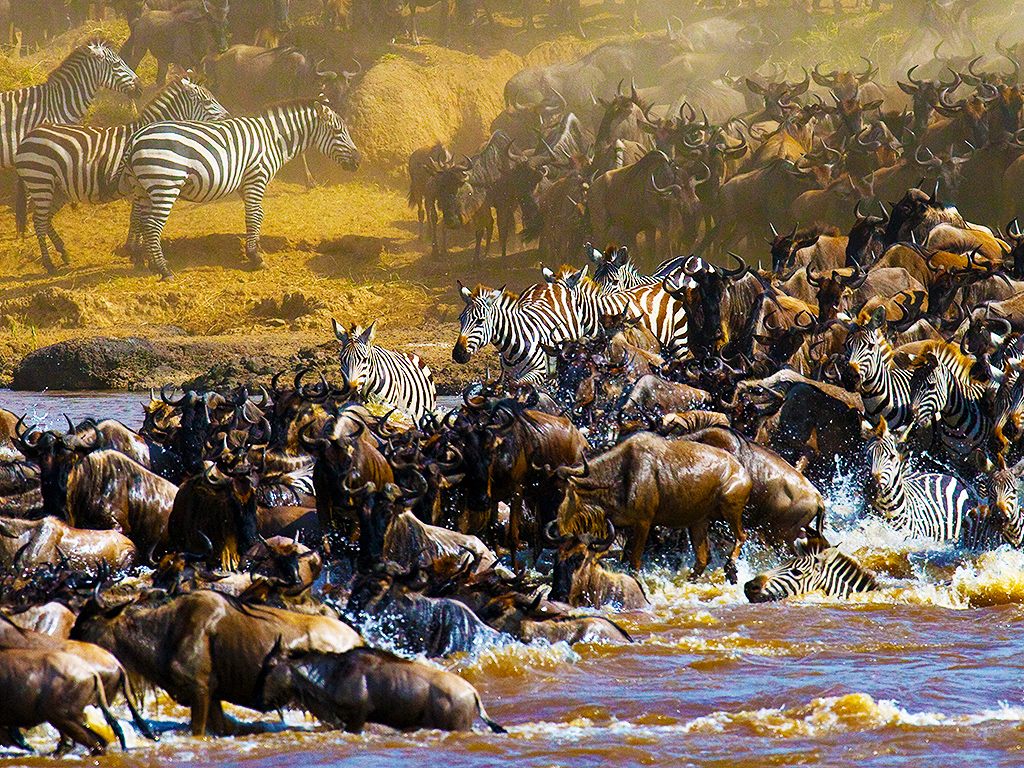
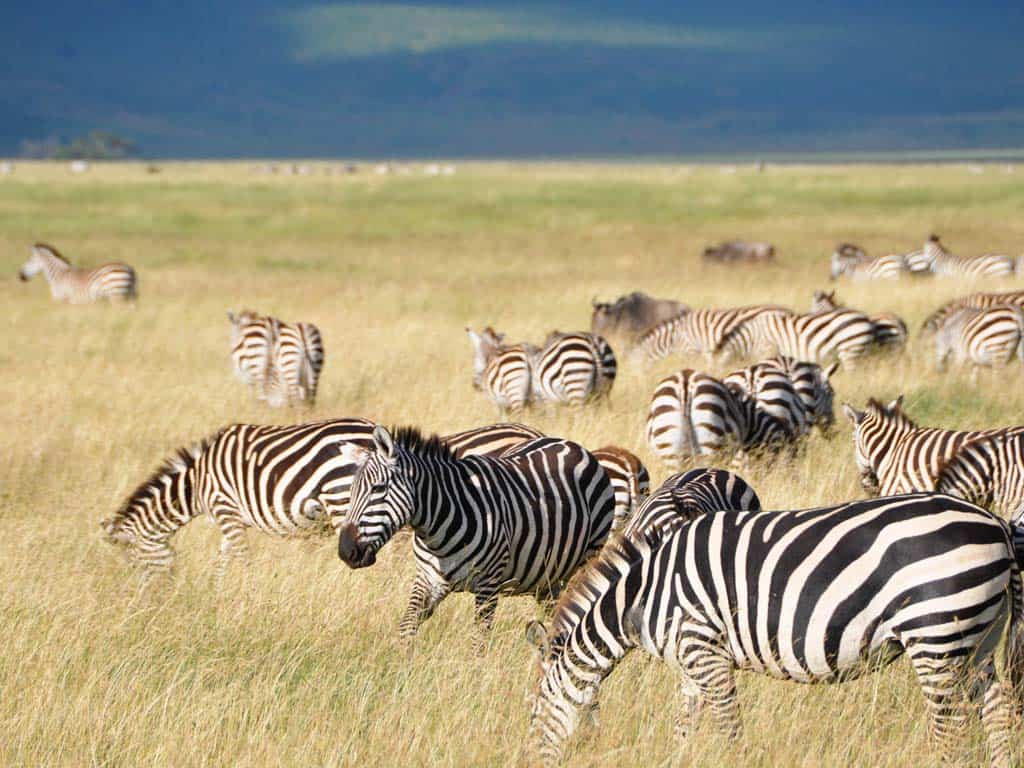
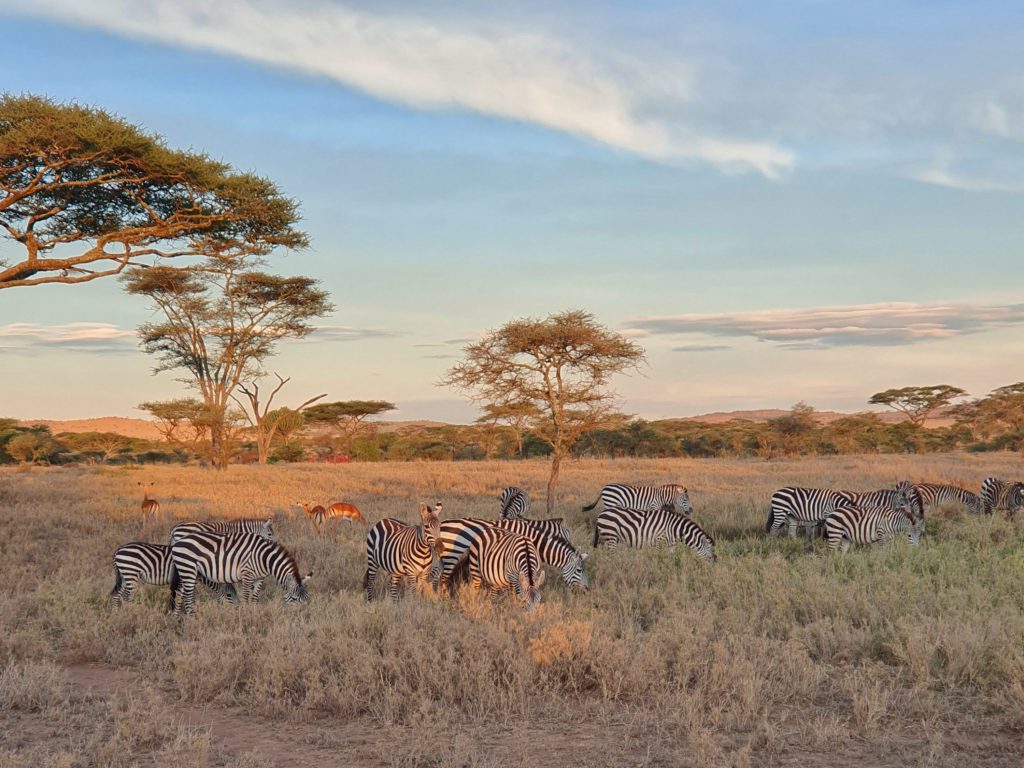
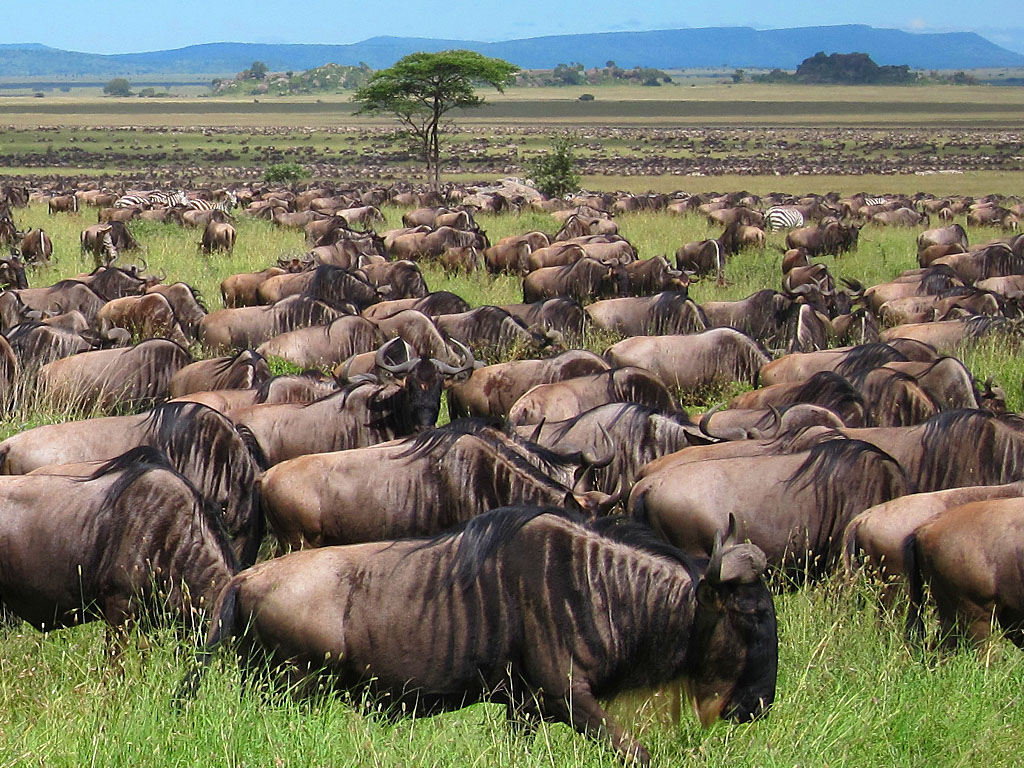
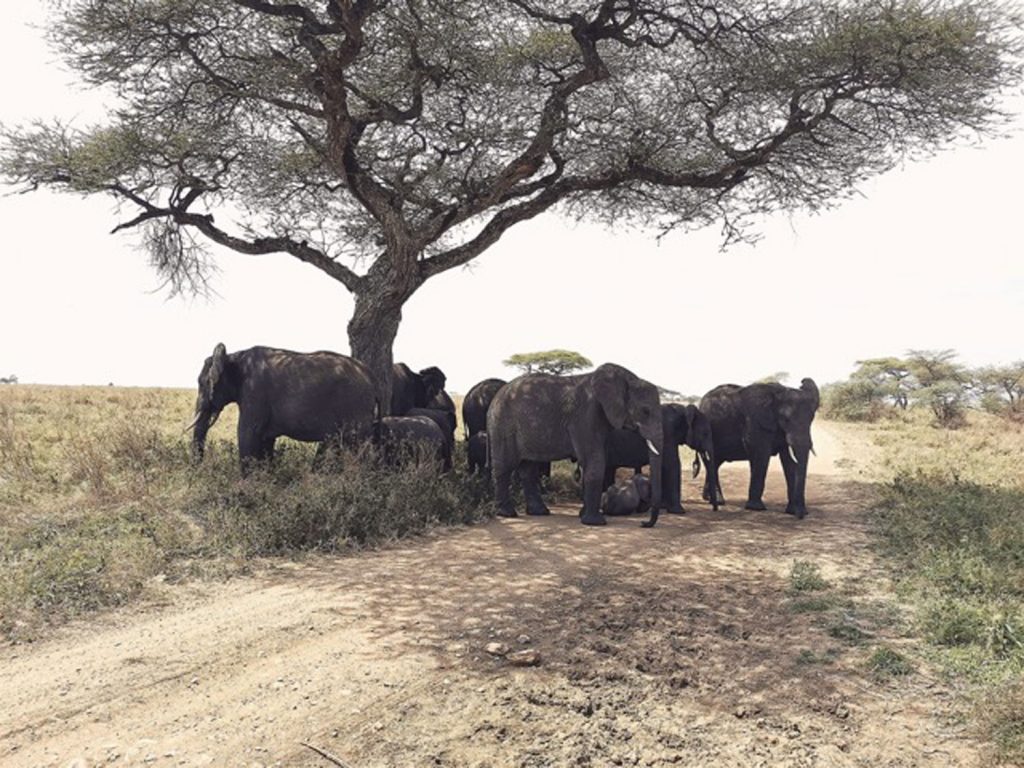
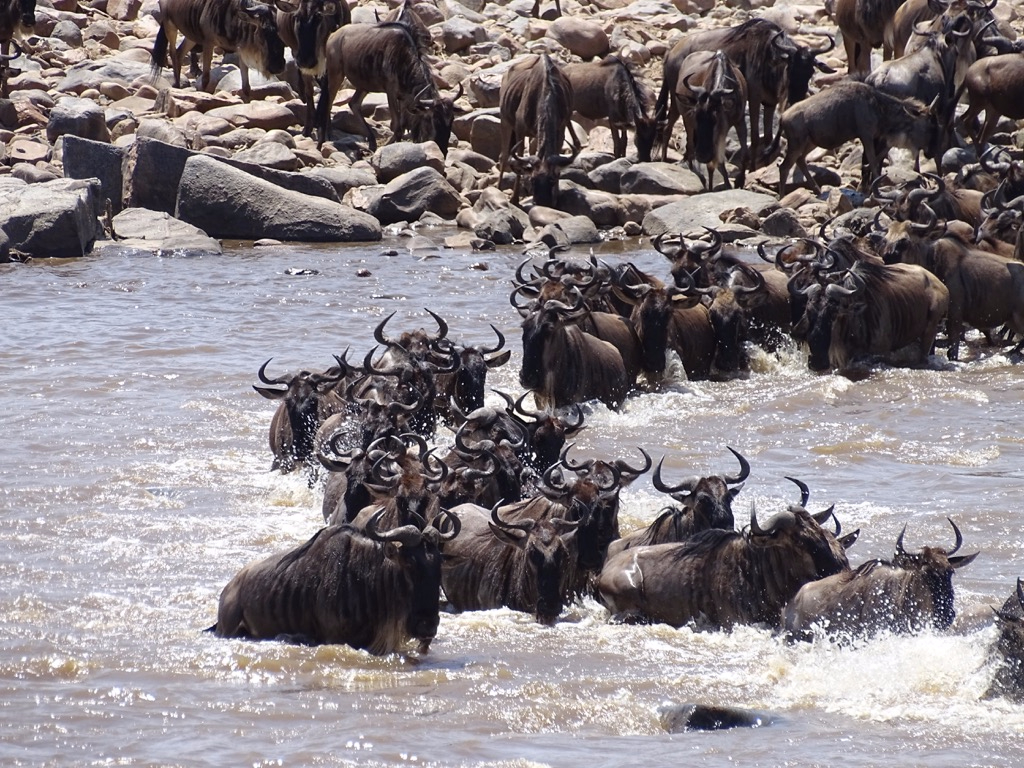
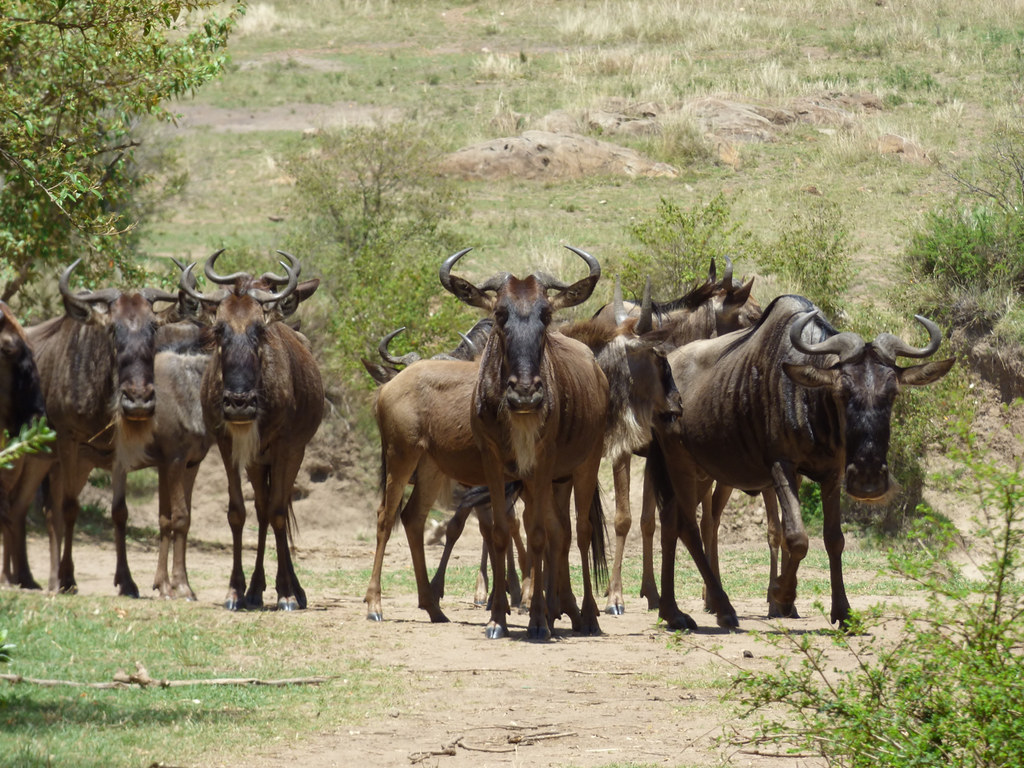
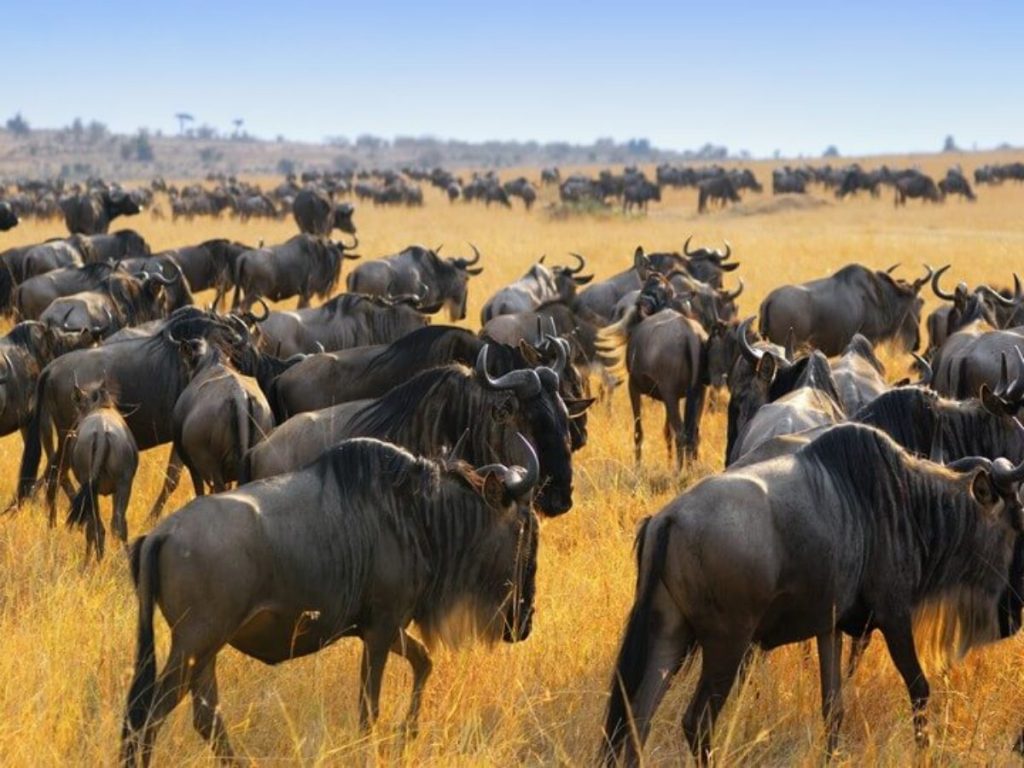
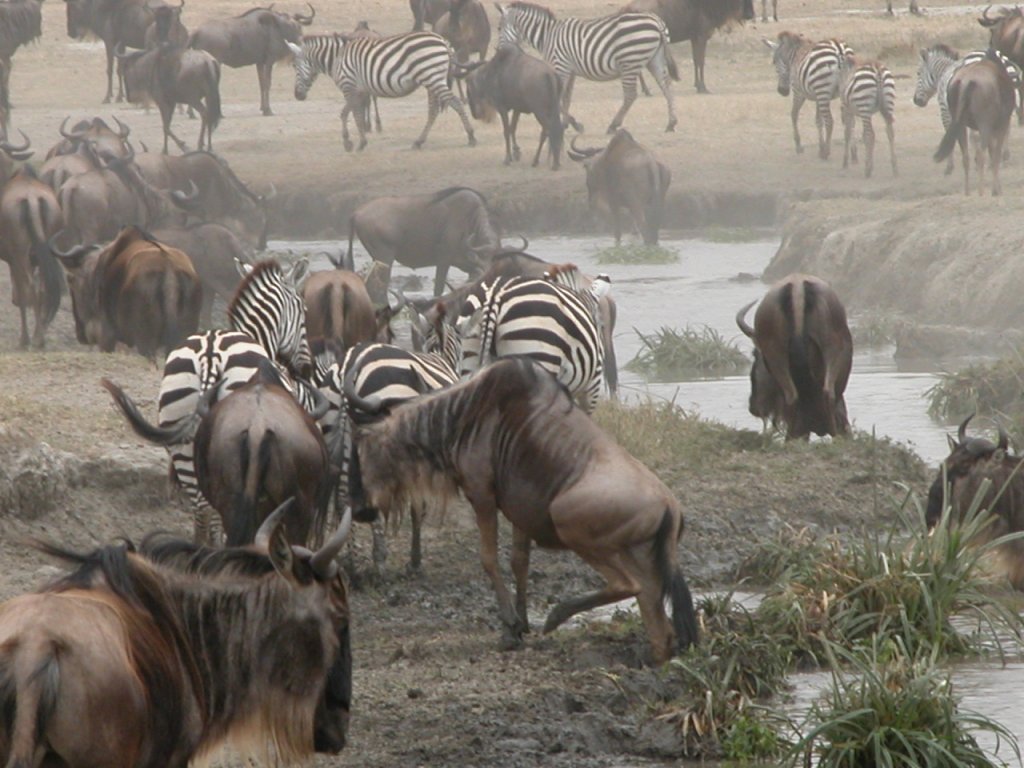
From the crater rim, you’ll gaze down into a lush green floor dotted with lakes, forests, and grasslands, where herds of zebras, wildebeest, and elephants roam freely. It’s one of the best places in Africa to spot the Big Five – lions, elephants, buffalo, leopards, and the rare black rhino – all in one day, thanks to the incredibly high density of wildlife. Predators like lions and hyenas thrive here, and you’ll often witness dramatic hunts or families lounging in the shade.
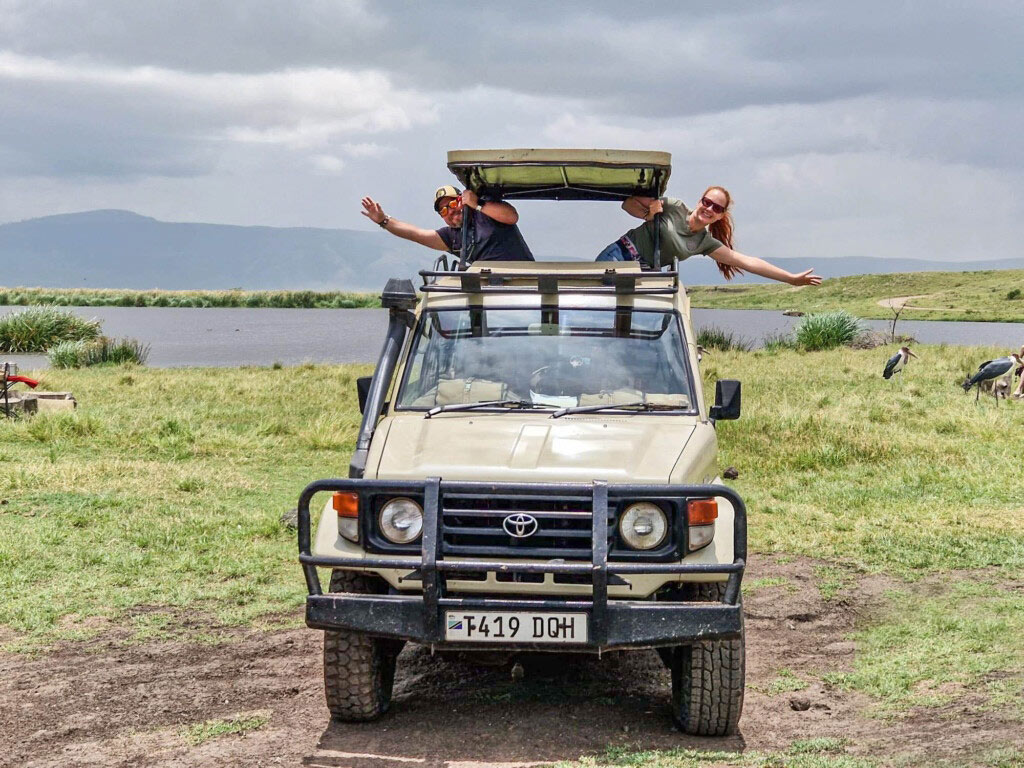
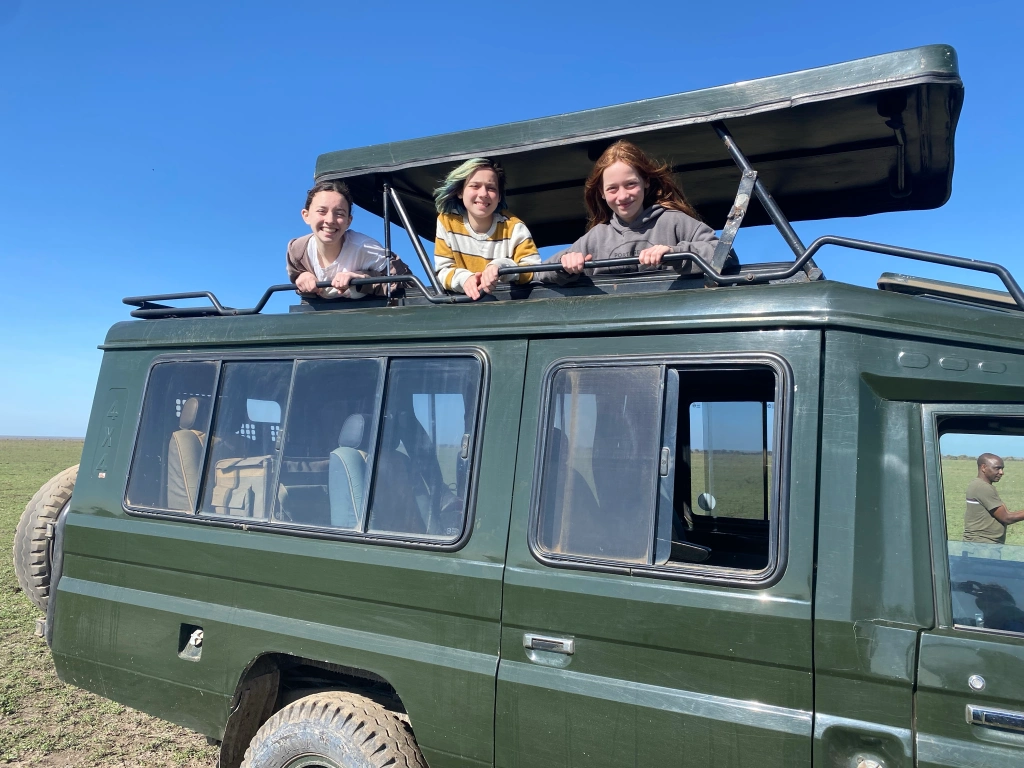
This 3-day safari is ideal for those with limited time but seeking an unforgettable experience. Starting and ending in Arusha, you’ll spend two full days exploring the crater floor with expert-guided game drives, enjoying picnic lunches beside hippo pools, and staying in comfortable lodges overlooking the highlands.
On your final day, add a cultural touch with an optional visit to a traditional Maasai village or a guided nature walk in the surrounding forests, where you might spot buffalo or elephants up close.
Whether you choose luxury rim-view lodges, cosy mid-range camps, or adventurous camping, this trip offers stunning views, thrilling wildlife encounters, and a glimpse into Tanzania’s rich culture. It’s an ideal standalone adventure or add-on to a longer Tanzania safari. Get ready for memories that will last a lifetime in this true African paradise!
If you’re juggling a busy schedule but yearning for an authentic African wildlife experience, this 3-day Ngorongoro Safari is tailored for efficiency without skimping on thrills. It’s ideal for business travellers tacking on a quick wilderness break, families seeking a manageable introduction to safaris (with child-friendly game drives and no long hikes), or adventurers combining it with Kilimanjaro climbs or Zanzibar beaches. The compact format minimises travel fatigue—most drives are under 3 hours—while maximising time in prime viewing areas, ensuring you witness the Big Five (lion, elephant, buffalo, leopard, rhino) in one of the world’s densest wildlife concentrations. Budget-friendly yet customizable (from camping to luxury lodges), it offers excellent value, with fewer crowds in shoulder seasons and a focus on quality over quantity. For photography enthusiasts, the crater’s dramatic lighting and close encounters provide portfolio-worthy shots, and eco-conscious travellers will appreciate the conservation area’s sustainable practices. In essence, it’s for anyone who wants the essence of Tanzania’s safari magic distilled into an unforgettable, hassle-free weekend escape.
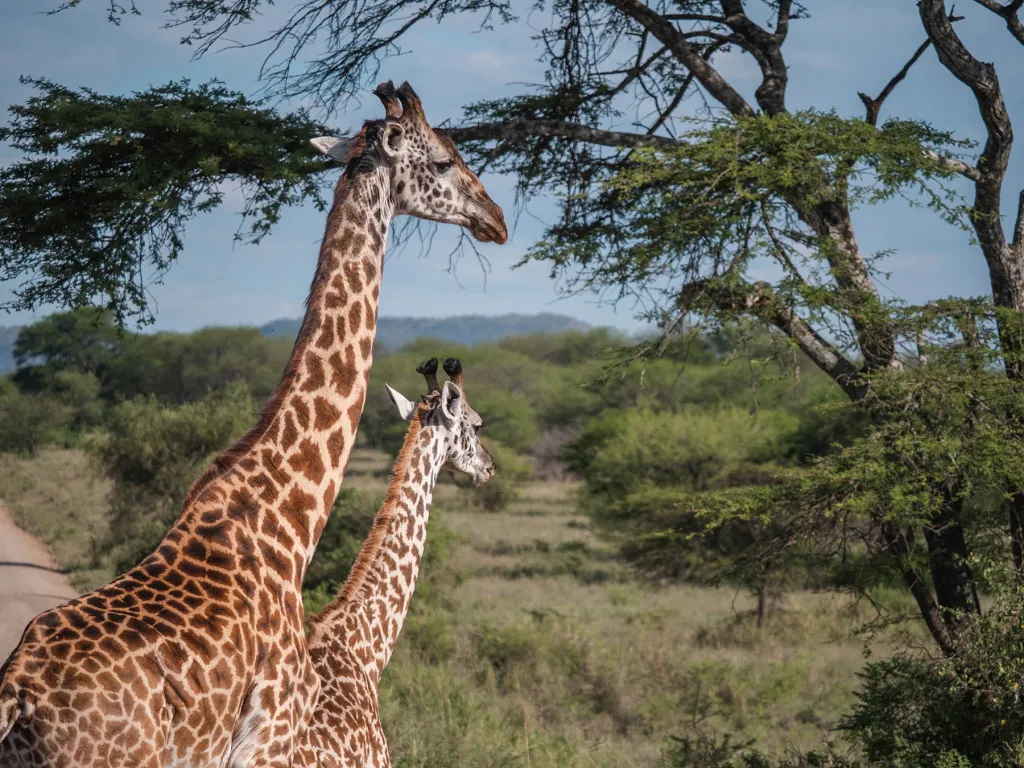
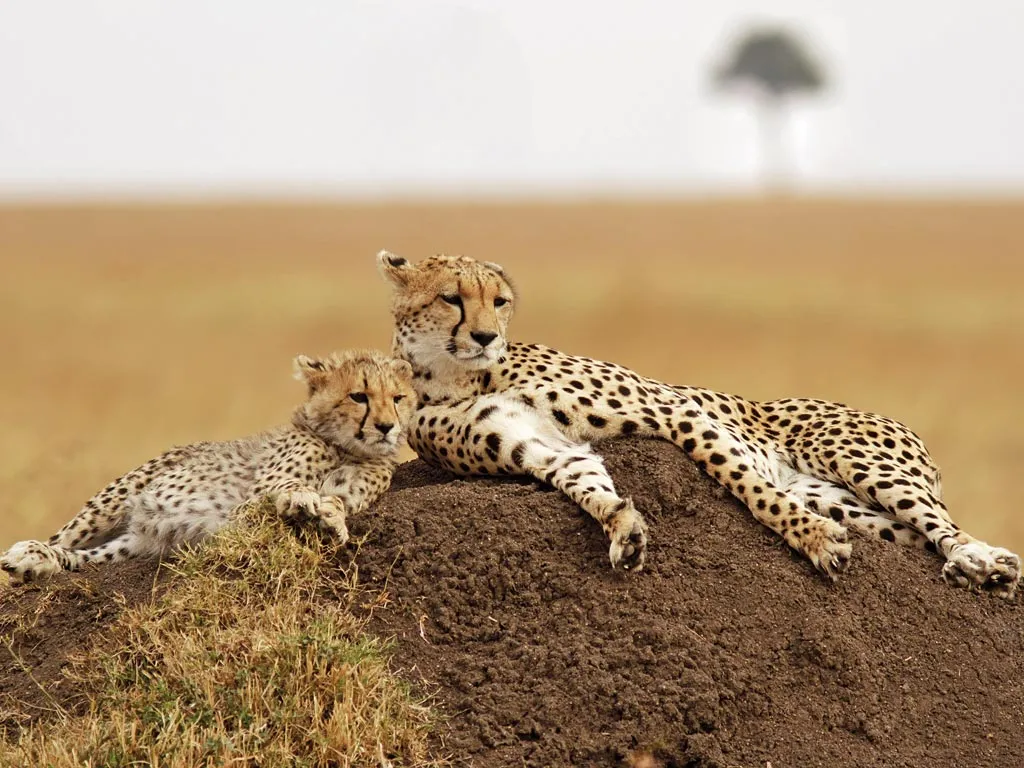
Ngorongoro promises a symphony of wildlife spectacles within its vast caldera and surrounding conservation area. Expect to spot the Big Five in abundance: majestic black-maned lions lounging on the plains, herds of elephants and buffaloes grazing near soda lakes, elusive leopards in acacia thickets, and one of Africa’s largest populations of endangered black rhinos. Vast herds of wildebeest, zebras, and gazelles roam the grasslands, often pursued by hyenas, cheetahs, and jackals—creating dynamic predator-prey interactions. Birdwatchers will delight in over 500 species, from ostriches and crowned cranes to flamingos tinting Lake Magadi pink. The landscape itself is a highlight: misty crater walls, lush Lerai Forest with yellow fever trees, and open savannahs dotted with hippo pools. Cultural encounters include Maasai villages, where you can learn about traditional herding and beadwork. Year-round, the crater floor teems with life, but green season (December-May) brings newborns and vibrant flora, while dry season (June-October) concentrates animals around waterholes for easier sightings.
Dressing appropriately ensures comfort and enhances your Ngorongoro experience, given the variable highland weather (cool mornings/evenings, warm afternoons) and bush environment. Opt for neutral tones like khaki, beige, olive, or brown to blend in and deter insects—avoid bright colors, white (shows dirt), or black/blue (attracts tsetse flies). Layering is key: start with moisture-wicking base layers (long-sleeved shirts and pants for sun/thorn protection), add a fleece or light jacket for chilly crater descents (temperatures can drop to 10°C/50°F), and include a waterproof rain jacket for potential showers. Sturdy, closed-toe walking shoes or boots with good ankle support are essential for short walks or vehicle exits; bring thick socks to prevent blisters. Accessories include a wide-brimmed hat, sunglasses, scarf/buff for dust, and gloves for early mornings. Pack lightweight convertible pants (zip-off to shorts), breathable fabrics to combat humidity, and don’t forget high-SPF sunscreen, lip balm, and insect repellent. For evenings at lodges, casual attire suffices, but a swimsuit might be handy if your accommodation has a pool. Overall, prioritise practicality, modesty (respecting local cultures), and pack light for easy vehicle storage.
The Ngorongoro Crater, a UNESCO World Heritage Site, is the world’s largest intact volcanic caldera, spanning 260 square kilometres (100 square miles) with walls soaring up to 600 meters (2,000 feet). Formed 2-3 million years ago from a collapsed volcano, its floor is a fertile mosaic of grasslands, swamps, forests, and soda lakes, supporting over 25,000 large animals in a natural enclosure—earning it the nickname “Africa’s Noah’s Ark.” The surrounding Ngorongoro Conservation Area (NCA), covering 8,292 square kilometers (3,202 square miles), is a multiple-land-use zone where wildlife coexists with Maasai pastoralists, promoting harmonious conservation. Managed by the Ngorongoro Conservation Area Authority, it balances tourism, research, and community benefits, with entry fees funding anti-poaching and education. Beyond the crater, the NCA includes Olduvai Gorge (a paleoanthropological treasure with early human fossils) and shifting sand dunes. Ecologically, it’s part of the Serengeti ecosystem, hosting migration spillovers, and its biodiversity includes rare species like the golden cat. Challenges like human-wildlife conflict are addressed through sustainable practices, making it a model for global conservation.
Accessing Ngorongoro is straightforward from various East African hubs, with Arusha serving as the primary gateway.
From Arusha: The most convenient option, with a 3-4 hour drive (190 km/118 miles) on paved/tarmac roads via Karatu. Daily departures make it seamless for the safari start; fly into Kilimanjaro International Airport (JRO) or Arusha Airport (ARK) for pick-up.
From Moshi: Similar to Arusha but add 1-2 hours (total 4-5 hours, 250 km/155 miles), as Moshi is Kilimanjaro’s base. Post-climb transfers are common; use shuttles or private vehicles from Moshi town or Kilimanjaro Airport.
From Dar es Salaam: Fly domestically to Arusha or Kilimanjaro (1-1.5 hours, multiple daily flights via Precision Air or Air Tanzania), then drive as above. Overland by bus takes 10-12 hours but is less recommended for time constraints; ideal for combining with coastal trips.
From Zanzibar: Catch a short flight (1-1.5 hours) to Arusha or Kilimanjaro from Zanzibar Airport (ZNZ), with frequent connections. This beach-to-bush transition is popular; ferries to Dar es Salaam add extra time but allow scenic routes.
From Nairobi: Cross-border options include a 5-6 hour drive (250 km/155 miles) via Namanga border, with visa-on-arrival for many nationalities. Alternatively, fly to Kilimanjaro (1 hour) from Jomo Kenyatta (NBO) or Wilson Airport. This suits Kenya extensions, like Maasai Mara combos, with shared shuttles available.
After completing the Ngorongoro Crater Safari, you can choose to trek Mount Kilimanjaro thereafter. Depending on your preference and fitness level, you can choose from various routes like the popular Marangu Route, Machame Route, or Lemosho Route. The climb typically takes several days, allowing you to conquer the highest peak in Africa and enjoy breathtaking views along the way. This combination of safari and mountain adventure offers a perfect blend of wildlife exploration and physical challenge. Some of the Ngorongoro and safari combos include:
Following the Ngorongoro Crater Safari, you can head to Zanzibar, an idyllic island paradise known for its pristine beaches and rich cultural heritage. Relax and unwind on the white sandy shores, swim in the crystal-clear turquoise waters, and indulge in water sports like snorkelling and diving to explore the vibrant marine life. Immerse yourself in the island’s history and culture by visiting Stone Town, a UNESCO World Heritage Site, and exploring the spice plantations. This combination allows you to experience the best of Tanzania’s wildlife and beach destinations, providing a diverse and unforgettable vacation.
By combining the Ngorongoro Crater Safari with either a Mount Kilimanjaro climb or a Zanzibar beach getaway, you can create a comprehensive itinerary that caters to your interests and offers a well-rounded Tanzanian adventure.
The best time to do a 3-day Ngorongoro Crater safari is during the dry season, which generally falls between the months of June to October and January to February. During these months, the weather is typically dry and sunny, making it easier to navigate the park and enjoy wildlife sightings.
The dry season is an ideal time for game viewing as animals gather around water sources, including the Ngorongoro Crater’s floor. The vegetation is also less dense, allowing for better visibility of wildlife. Moreover, the risk of rain and muddy roads is lower during this period, ensuring smoother travel experiences.
It’s important to note that the Ngorongoro Crater can be visited all year-round, and each season offers its own unique experiences. However, the dry season is generally preferred by visitors due to the favourable weather conditions and increased animal activity.
Day 1 Arusha - Ngorongoro Crater
Start your Ngorongoro Crater safari with an early morning departure from Arusha. Drive through the scenic Masai Steppe, passing Lake Manyara area in the Rift Valley, and ascend the Karatu area to reach the Loduare Gate of Ngorongoro Conservation Area. After a brief stop for registration, continue driving up to the Viewpoint for breathtaking views of the Crater floor. Descend into the Ngorongoro Crater for a full day of game drives, where you’ll have the opportunity to spot a wide variety of wildlife. Enjoy a picnic lunch by the hippo poolside before continuing with game drives in the afternoon. Drive back up to the Crater rim and proceed to your lodge in Karatu for overnight stay.
Luxury: Ngorongoro Serena Lodge / Sanctuary Ngorongoro Crater Camp
Mid-range: Rhino Lodge / Angata Ngorongoro Camp
Budget Camping: Simba Campsite
Day 2 Ngorongoro Crater
After breakfast, descend once again into the Ngorongoro Crater, often referred to as the “Eden of Africa.” This UNESCO World Heritage Site is renowned for its high concentration of wildlife. Your expert guide will navigate the Crater floor in search of the famous Big Five and other fascinating wildlife species. Enjoy a picnic lunch at a designated site within the Crater. In the late afternoon, drive back up to the Crater rim and return to your lodge in Karatu, such as Marera Valley Lodge or Country Lodge, for overnight stay.
Luxury: Ngorongoro Serena Lodge / Sanctuary Ngorongoro Crater Camp
Mid-range: Rhino Lodge / Angata Ngorongoro Camp
Budget Camping: Simba Campsite
Day 3 Ngorongoro - Arusha
After a leisurely breakfast at your lodge, you have the option to visit Masai Village and take a nature walk in the forests of Ngorongoro (an additional fee applies). Accompanied by an armed ranger, explore the forest trails where you might encounter herds of buffaloes, elephants, and other forest-dwelling species. After the activities, drive back to Arusha with brief stops at Karatu and Mto wa Mbu market towns for a chance to interact with locals and do some shopping. This marks the end of your 3-day Ngorongoro Crater safari.
Please note that safari prices depend on the number of participants and the chosen accommodation. This safari can be arranged starting from Zanzibar, Dar es Salaam, or Mwanza, with flights into Ngorongoro or Arusha.
The cost for the whole 3 Days Serengeti safari includes and excludes the following items
Park fees
Game drives and activities
All accommodation
A professional driver/ safari guide
All transportation
All Taxes/VAT
Roundtrip airport transfer
Meals
Water / Coffee / Tea or Soft Drinks
International flights
Additional accommodation before and at the end of the tour
Tanzania Visa
Gratuity
Personal Expenses (e.g. laundry, telephone, beverages, etc.)
Meals not listed above
Government imposed increase of taxes and/or park fees