Choosing the right Kilimanjaro operator can feel overwhelming — especially when every company promises “the best experience.” At Tranquil Kilimanjaro, we believe in total transparency. We want you to know exactly what you’re paying for before you book your dream trek to Uhuru Peak. Below is a clear, no-surprises breakdown of what is included and what is excluded in our standard private and group-join trekking packages (valid for 2026–2027). These packages cover all the major routes — Marangu, Machame, Lemosho, Rongai, Northern Circuit, and more. See all our Mount Kilimanjaro climbing packages here. What’s Included in Every Tranquil Kilimanjaro Package We take care of absolutely everything from the moment you land until you return to your hotel after the climb. Here’s exactly what you receive: Pre- and Post-Trek Services Airport Pickup & Drop-off Transfers in a private car or van (Kilimanjaro International Airport to your hotel in Arusha/Moshi and back). Accommodation before and after your hike — two nights in a comfortable hotel in Moshi or Arusha (bed & breakfast). All transfers to the mountain and back to your Arusha/Moshi hotel. Professional Mountain Team Professional, experienced, mountain guides (licensed, first-aid trained, with excellent English). Guides, porters, and cooks' salaries — fair wages paid directly to our crew. Private toilet — a dedicated, clean, portable toilet tent at every camp (a huge comfort on the mountain). Fees & Permits (All Covered) All park fees, conservation fees, and camping or hut fees. Rescue fees (included as part of park fees). VAT (18% charged by the Government). On-Mountain Equipment & Comfort Quality, waterproof, four-season mountain sleeping tents (one tent per two climbers). Sleeping mattress (thick, comfortable foam mattresses provided). Quality mess tents with tables and chairs for meals and relaxation. Food & Hydration All meals while on the mountain — freshly prepared, hearty
Choosing the right Kilimanjaro operator can feel overwhelming — especially when every company promises “the best experience.” At Tranquil Kilimanjaro, we believe in total transparency. We want you to know exactly what you’re paying for before you book your dream trek to Uhuru Peak. Below is a clear, no-surprises breakdown of what is included and
Using up-to-date 2026-2027 pricing in Euros from Tranquil Kilimanjaro (a respected local Tanzanian operator focused on ethical practices and fair wages), plus cross-checked data from multiple reputable sources, here’s a clear, no-fluff breakdown. All prices are shown in Euros (converted at the June 2026 rate of approximately 1 USD ≈ 0.86 EUR). These are per-person costs for shared-group climbs unless noted. Dreaming of standing on Uhuru Peak at 5,895m, and you come from twenty-one countries that use the euro as their official currency. This includes the 20 European Union (EU) member states that make up the official Eurozone, along with Bulgaria. Climbing Mount Kilimanjaro is one of Africa’s ultimate adventures—but the price tag can vary wildly depending on your route, group size, operator, and how much comfort (or safety margin) you want. Austria, Belgium, Bulgaria, Croatia, Cyprus, Estonia, Finland, France, Germany, Greece, Ireland, Italy, Latvia, Lithuania, Luxembourg, Malta, Netherlands, Portugal, Slovakia, Slovenia, Spain, that makeup the Eurozone, European Union member states have climbers wishing to climb Kilimanjaro in Tanzania. Additionally, several non-EU microstates and Balkan nations use the euro. Andorra, Monaco, San Marino, and Vatican City use it through formal monetary agreements with the EU. Kosovo and Montenegro also use the euro as their default currency, though without a formal arrangement. You can pay us using Euros as we have a bank account specifically for Euro transactions for our Kilimanjaro climbers. Contact us today to secure your Kilimanjaro trek in 2026, 2027 or 2028 Meet our team of guides, cooks and porters for your expedition Quick takeaway: Package only (climb itself): €1,200 – €2,600 for most standard routes. Realistic all-in total (including flights, tips, gear, insurance, etc.): €3,000 – €5,500 for a safe, ethical trip. Budget operators can dip below €2,000 for the package, but they often cut corners on
Using up-to-date 2026-2027 pricing in Euros from Tranquil Kilimanjaro (a respected local Tanzanian operator focused on ethical practices and fair wages), plus cross-checked data from multiple reputable sources, here’s a clear, no-fluff breakdown. All prices are shown in Euros (converted at the June 2026 rate of approximately 1 USD ≈ 0.86 EUR). These are per-person
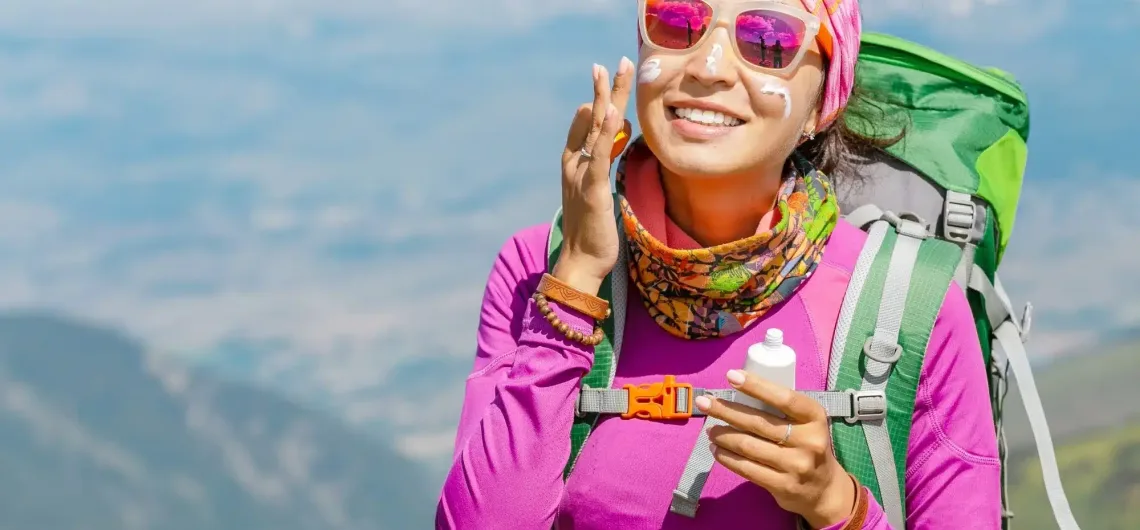
The scorching sun on Mount Kilimanjaro is no joke; it can leave your lips cracked when you are exposed because of the winds and direct equatorial sunlight. Due to snow on the mountain, snow blindness can also occur. Carry with you a broad-spectrum sunscreen with an SPF of 50 or higher. Because UV rays become significantly stronger and the air thinner at higher elevations, high-factor protection is essential for your climb. Climbing Mount Kilimanjaro is a bucket-list adventure that rewards you with breathtaking views from Uhuru Peak at 5,895 meters (19,341 feet). But many trekkers underestimate one silent threat that can turn triumph into misery: the sun. Near the equator and at extreme altitude, UV radiation hits harder than almost anywhere else on Earth. Snow and ice on the upper slopes reflect up to 80% of those rays, doubling your exposure and frying unprotected skin, lips, and eyes. I’ve pored over climber reports, expert guides, and medical advice to bring you this no-nonsense, battle-tested guide. Even if you’re a first-timer or a seasoned hiker, these strategies will keep you comfortable, healthy, and summit-ready—no hype—just practical, proven tactics that work on Africa’s highest mountain. Kilimanjaro Gear List Why Sun Protection Is Non-Negotiable on Kilimanjaro Kilimanjaro sits just 3 degrees south of the equator, so the sun beats down almost directly overhead. At sea level, the atmosphere filters much of the ultraviolet (UV) radiation. But every 1,000 meters of elevation boosts UV intensity by roughly 10-12%. By the summit, you’re facing 60-72% more UV than at the beach. Add snow and ice above about 4,500 meters (15,000 feet), which reflect 80% or more of UV rays straight back at you—hitting your chin, nostrils, eyelids, and even the undersides of your ears. Clouds offer zero protection; UV punches right through them. The result?
The scorching sun on Mount Kilimanjaro is no joke; it can leave your lips cracked when you are exposed because of the winds and direct equatorial sunlight. Due to snow on the mountain, snow blindness can also occur. Carry with you a broad-spectrum sunscreen with an SPF of 50 or higher. Because UV rays become
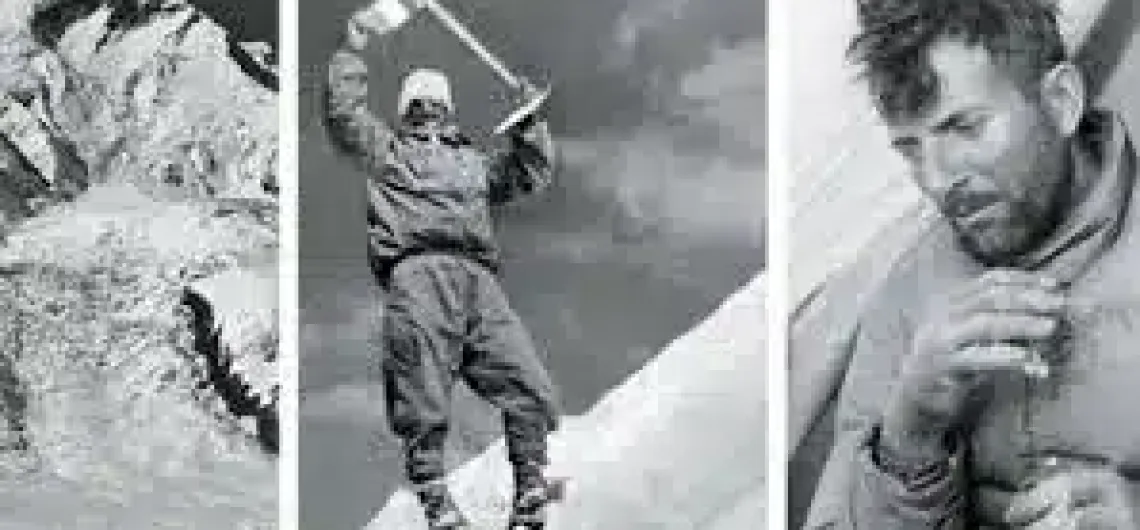
Becoming the first man on the peak of an eight-thousander is phenomenal, in the world of the firsts and record breakers. In the crisp dawn of June 3, 1950, about 76 years ago, two Frenchmen stood alone on the roof of the world—or at least what felt like it at the time. Maurice Herzog and Louis Lachenal had just reached the summit of Annapurna I, an 8,091-meter giant in the Nepalese Himalayas. No one had ever climbed an 8,000-meter peak before. Not Everest, not K2, not any of the fourteen giants that now define high-altitude mountaineering. This was the first. And it came at a staggering cost: frostbite, amputations, a desperate retreat, and a story that would inspire generations while sparking decades of debate. This is the tale of the 1950 French Annapurna Expedition—not just the climb itself, but the men behind it, the improbable route they forged, and the human drama that unfolded in one of the most remote corners of the planet. Who Were Maurice Herzog and Louis Lachenal? Maurice Herzog was born in Lyon, France, in 1919, the eldest of eight children in a family that already cherished the Alps. A talented amateur climber with a background in business studies and wartime service in the French Resistance, Herzog embodied the post-war French spirit: resilient, ambitious, and eager to reclaim national glory after years of occupation and hardship. At 31, he was chosen to lead the expedition by Lucien Devies, the powerhouse behind French mountaineering. Herzog wasn’t the most technically gifted climber on the team, but he was a natural leader—charismatic, idealistic, and driven by a vision of France standing tall once more. His summit partner, Louis Lachenal, was cut from a different cloth. Born in 1921 in Annecy, Lachenal was a professional Chamonix mountain guide—a “man of
Becoming the first man on the peak of an eight-thousander is phenomenal, in the world of the firsts and record breakers. In the crisp dawn of June 3, 1950, about 76 years ago, two Frenchmen stood alone on the roof of the world—or at least what felt like it at the time. Maurice Herzog and
There are no direct flights from China, Japan, Hong Kong, South Korea, India or Russia to Kilimanjaro International Airport (JRO) in Tanzania. All routes involve at least one stop (typically 1–2 connections), with total travel times usually 15–30+ hours depending on layovers, connections, and your exact departure city. JRO is the primary gateway for Mount Kilimanjaro climbs and safaris (about 45–60 minutes by road from the mountain base or Arusha/Moshi). The Middle East serves as a key transit hub for travelers from Asia heading to Kilimanjaro International Airport (JRO) in Tanzania, primarily due to geography, airline networks, and aviation infrastructure. Where is Kilimanjaro? The main international airlines serving JRO with long-haul connections include: Qatar Airways (via Doha – DOH; excellent Asian network) Turkish Airlines (via Istanbul – IST; strong reach across Asia and Russia) Ethiopian Airlines (via Addis Ababa – ADD; good Star Alliance options from China/Korea) Others like flydubai (via Dubai – DXB), KLM (via Amsterdam), or Air France (via Paris) for some routings. Kenya Airways and Precision Air offer short hops from Nairobi (NBO) if you fly there first, but routing directly to JRO via the hubs above is usually smoother. General Tips Before Booking Search and book on Google Flights, Skyscanner, Kayak, or direct airline sites for real-time prices/schedules. Prices fluctuate seasonally (cheaper May–June or Jan–Feb; higher in peak Jul–Aug/Dec). Alliances help with mileage/through-ticketing: Star Alliance (Turkish, Ethiopian), oneworld (Qatar). Tanzania entry: Most nationalities need an e-visa (apply online in advance). Check yellow fever vaccination requirements if transiting certain African airports. On arrival at JRO: Taxis, shuttles, or pre-arranged transfers from tour operators/hotels are easy and cheap (~US$50–100 to Moshi/Arusha). Many Kilimanjaro operators include airport pick-up. Baggage: Allow for potential strict weight limits on small domestic legs if you connect via Nairobi/Dar es Salaam. From China (e.g.,
There are no direct flights from China, Japan, Hong Kong, South Korea, India or Russia to Kilimanjaro International Airport (JRO) in Tanzania. All routes involve at least one stop (typically 1–2 connections), with total travel times usually 15–30+ hours depending on layovers, connections, and your exact departure city. JRO is the primary gateway for Mount