
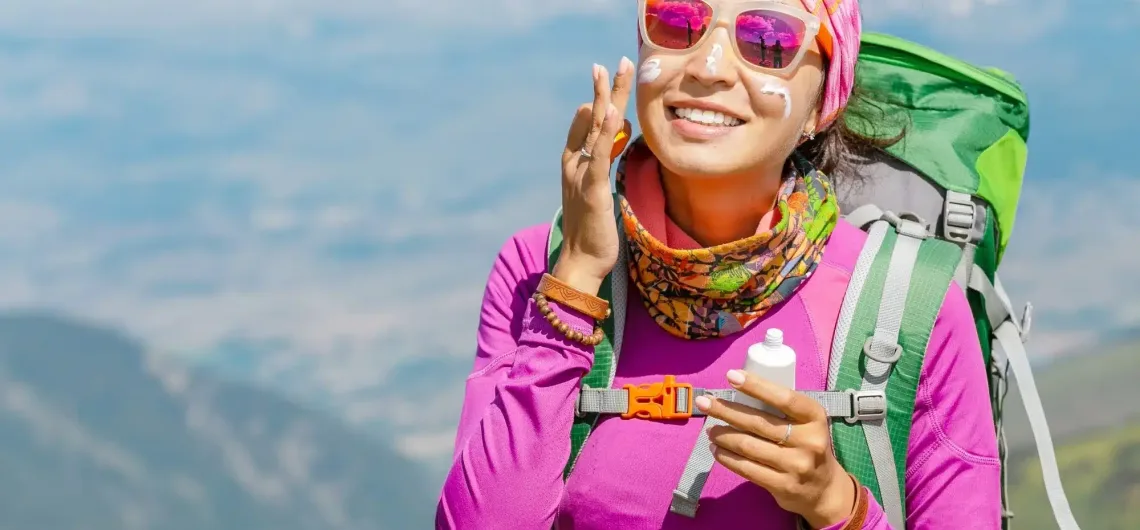
The scorching sun on Mount Kilimanjaro is no joke; it can leave your lips cracked when you are exposed because of the winds and direct equatorial sunlight. Due to snow on the mountain, snow blindness can also occur. Carry with you a broad-spectrum sunscreen with an SPF of 50 or higher. Because UV rays become significantly stronger and the air thinner at higher elevations, high-factor protection is essential for your climb. Climbing Mount Kilimanjaro is a bucket-list adventure that rewards you with breathtaking views from Uhuru Peak at 5,895 meters (19,341 feet). But many trekkers underestimate one silent threat that can turn triumph into misery: the sun. Near the equator and at extreme altitude, UV radiation hits harder than almost anywhere else on Earth. Snow and ice on the upper slopes reflect up to 80% of those rays, doubling your exposure and frying unprotected skin, lips, and eyes. I’ve pored over climber reports, expert guides, and medical advice to bring you this no-nonsense, battle-tested guide. Even if you’re a first-timer or a seasoned hiker, these strategies will keep you comfortable, healthy, and summit-ready—no hype—just practical, proven tactics that work on Africa’s highest mountain.
Why Sun Protection Is Non-Negotiable on Kilimanjaro
 Kilimanjaro sits just 3 degrees south of the equator, so the sun beats down almost directly overhead. At sea level, the atmosphere filters much of the ultraviolet (UV) radiation. But every 1,000 meters of elevation boosts UV intensity by roughly 10-12%. By the summit, you’re facing 60-72% more UV than at the beach. Add snow and ice above about 4,500 meters (15,000 feet), which reflect 80% or more of UV rays straight back at you—hitting your chin, nostrils, eyelids, and even the undersides of your ears. Clouds offer zero protection; UV punches right through them. The result? Rapid sunburn, chapped lips that crack and bleed, and the very real risk of snow blindness (photokeratitis)—a painful corneal sunburn that feels like sand in your eyes and can sideline you for days. Climbers frequently share horror stories: swollen faces, peeling noses, and blistered lips, even with SPF 50, because they didn’t reapply often enough or missed reflected rays. Long-term, repeated exposure raises skin cancer risk. The fix is simple: layer protection from the skin out.
The Ultimate Kilimanjaro Climbing Gear Recommendations Checklist
Your First Line of Defense: Smart Clothing and UPF Fabrics
Clothing beats sunscreen every time—it doesn’t sweat off or wash away. Pack long-sleeve base layers and pants in breathable, quick-drying synthetics (nylon or polyester) with a UPF 50+ rating. These block 98% of UV rays while wicking moisture in the hot lower forests and insulating higher up. A buff or neck gaiter is indispensable. Pull it up over your nose and ears for instant face and neck coverage against dust, wind, and glare. Choose UV-rated versions that block 95%+ of rays. Pair it with lightweight gloves for the cold upper slopes—they shield hands from both sun and frost. For summit night, add a balaclava or sun hoody. These multi-taskers replace multiple items in your pack and keep you covered when temperatures plummet.
What to wear on Kilimanjaro Summit Night and Uhuru Peak Summit Day
Hats: Shade for Your Face, Neck, and Scalp
Ditch the baseball cap—it leaves ears and neck exposed. Opt for a wide-brimmed hat (at least 3 inches/7.5 cm all around) with UPF 50+ fabric, a chin strap for windy sections, and breathable mesh panels. Popular choices include packable models from Sunday Afternoons or Tilley that fold small yet stay secure. A broad brim casts a shadow over your entire face and neck, drastically reducing the risk of reflected burns.
Caps, Hats and Headwear you Should Bring to Climb Kilimanjaro?
Protecting Your Eyes: Preventing Snow Blindness
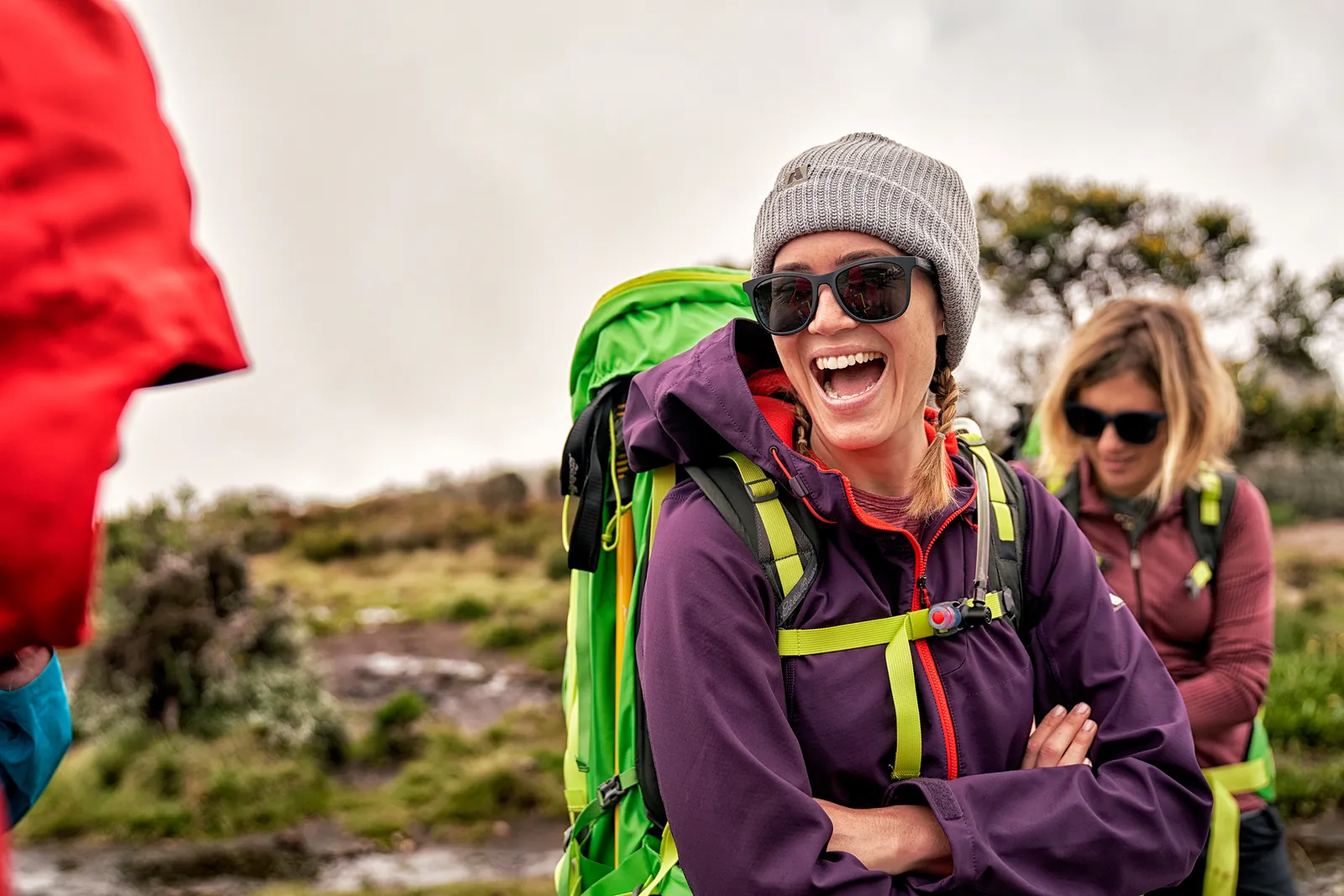 Snow blindness isn’t dramatic at first—it creeps up 6-12 hours later with gritty pain, tearing, redness, light sensitivity, and blurred vision. It’s essentially a UV sunburn on your cornea and conjunctiva, and it hurts like hell. Prevention is straightforward: wear wraparound sunglasses or glacier glasses that block 99-100% of UVA and UVB rays (look for UV400 labeling). Category 3 or 4 lenses handle the intense brightness; polarized options cut glare off snow and ice. Side shields or a close fit are essential—rays sneak in from every angle on open slopes. Test them on training hikes to avoid fogging or slippage. If you wear prescription lenses, get clip-ons or over-glasses glacier models. Many climbers swear by brands like Julbo or Oakley for mountaineering. Wear them from dawn to dusk, even on cloudy days. UV doesn’t take breaks.
How to choose the best sunglasses for climbing Mount Kilimanjaro
Sunscreen: The Non-Negotiable for Exposed Skin
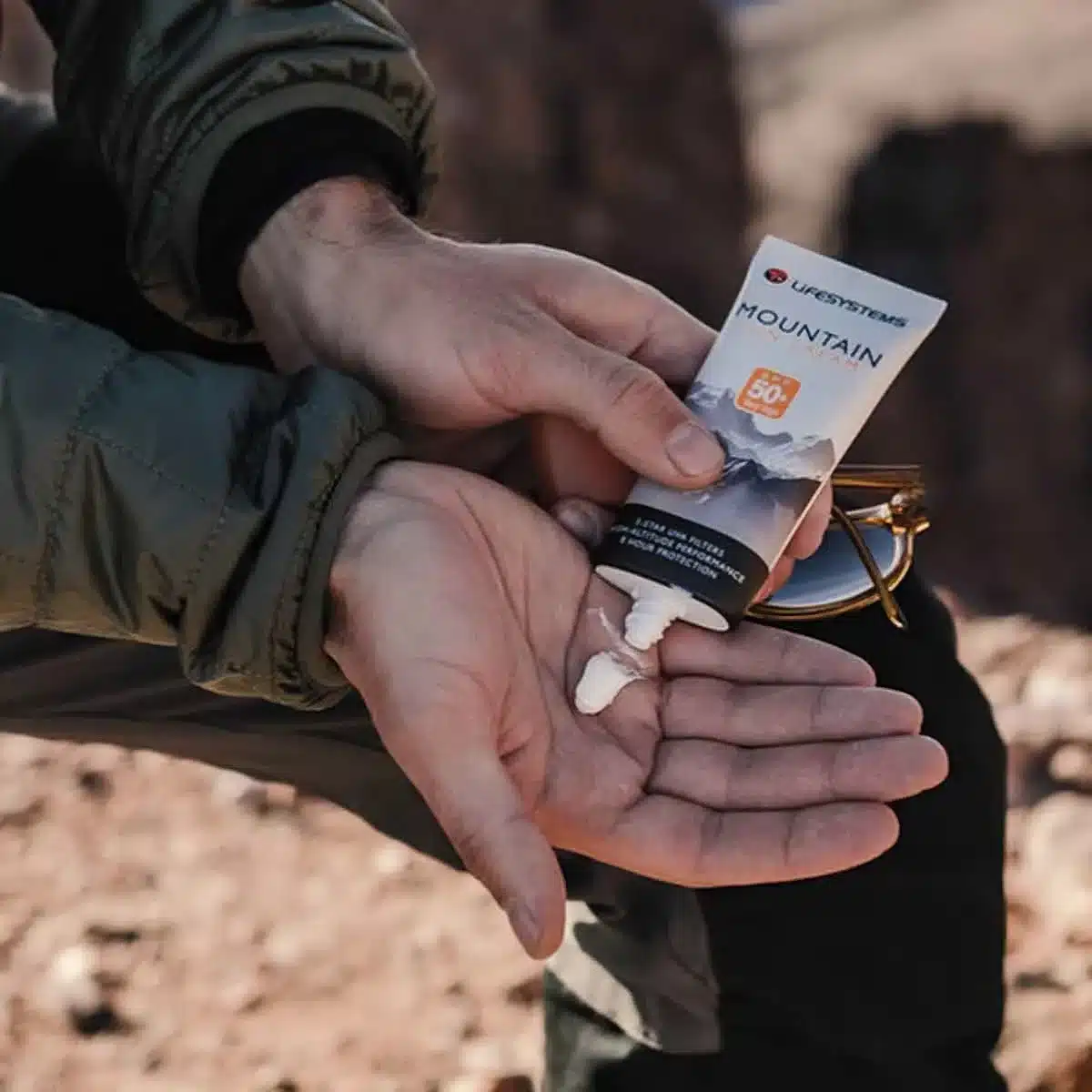
Even with full coverage, your face, hands, and any gaps need sunscreen. Choose a broad-spectrum (UVA + UVB) SPF 50 or higher that’s water- and sweat-resistant. Mineral formulas with zinc oxide or titanium dioxide are ideal for high altitude—they sit on the skin, reflect rays immediately, and irritate less than chemical ones. Top performer picks based on climber feedback and testing:
- Neutrogena or La Roche-Posay for lightweight, non-greasy face formulas.
- Blue Lizard Sport Mineral SPF 50 or Australian Gold—tough in sweat and dust.
- Sport gels or sticks for easy pocket carry and better adhesion during hikes.
Apply a full teaspoon to your face alone, plus ears, neck, nostrils, and the backs of your hands. Reapply every two hours—or more if sweating heavily. Carry small tubes in your pocket so you never skip. One common mistake: applying once in the morning and forgetting until camp. On Kilimanjaro, that’s a recipe for regret.
Lips: Your Most Vulnerable Spot – Don’t Skip SPF Lip Balm
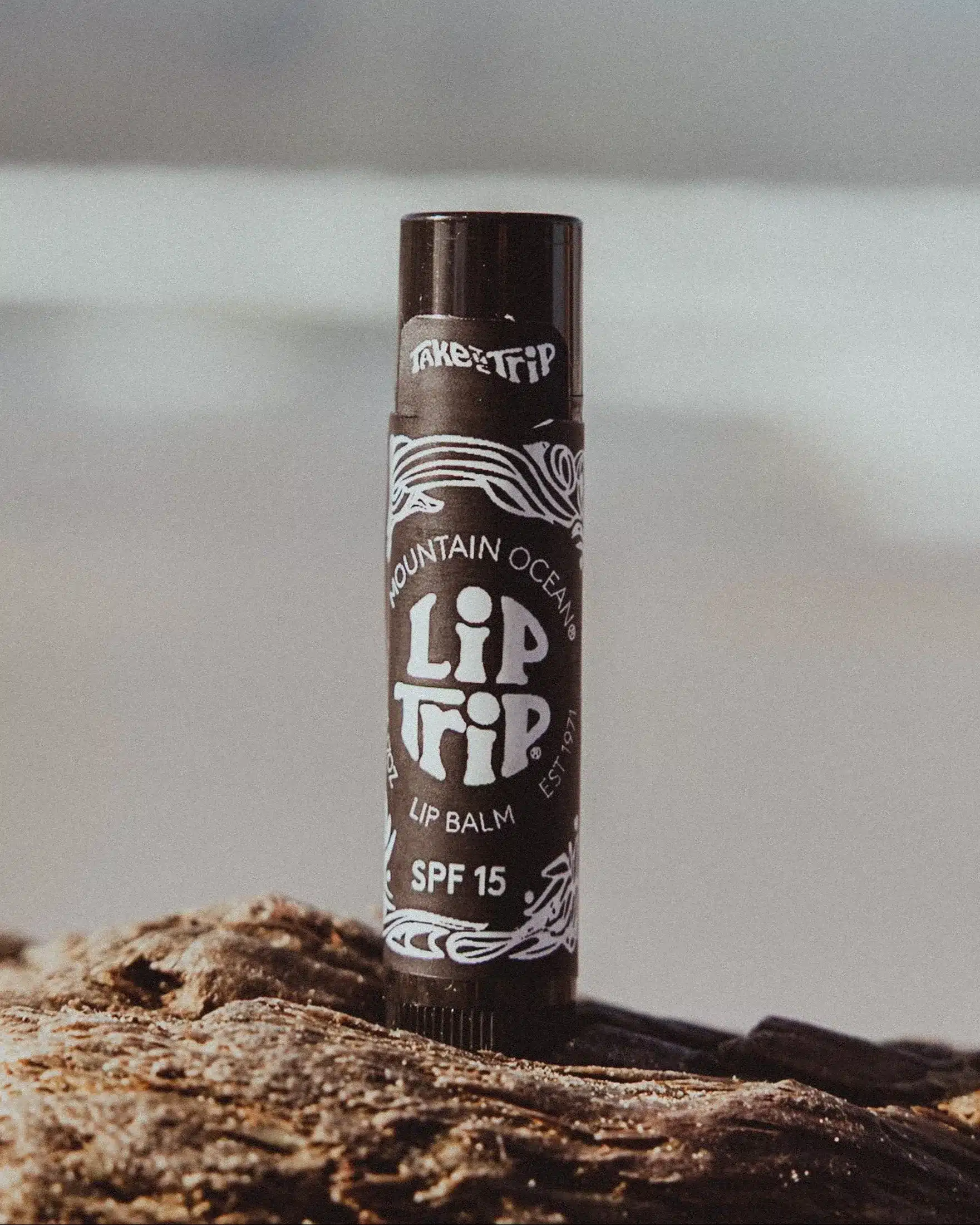 Lips have thin skin and no oil glands, so they chap, crack, and burn fast in wind, cold, and reflected UV. Bring multiple sticks of SPF 30+ (higher is better) lip balm—mineral-based with zinc works best and stays put. Standout options:
- Aquaphor Lip Repair Stick + Sunscreen – testers’ favorite for hydration without greasiness.
- Sun Bum Mineral SPF 30 or Badger SPF 35 – clean, effective, and pocket-friendly.
- Banana Boat SPF 50 or Dermatone for extreme conditions.
Reapply hourly, especially after eating, drinking, or breathing heavily on summit night. Smear it thick and layer it under your buff for double protection. Many climbers say neglected lips were their biggest post-summit regret.
Extra Tools and Pro Tips for Kilimanjaro Sun Warfare
- Nose guards: Small fabric or foam shields that clip onto glasses—great for fair skin or big noses.
- Application rhythm: Slather 30 minutes before starting each day. Set a watch alarm. Share tubes with your group—teamwork keeps everyone safe.
- Dark skin note: Melanin offers some natural protection, but UV damage and cancer risk still apply. Use the same regimen.
- Pack extras: Sunscreen freezes less in stick form; lip balm melts in heat, so keep it cool.
- Test everything: Try your full kit on local hikes to avoid surprises or allergic reactions.
What to carry in your Kilimanjaro daypack or backpack, here is the full list.
After-Sun Recovery: Soothe and Hydrate
Even with perfect protection, some redness happens. At camp, wash off sweat and old sunscreen, then apply pure aloe vera gel for cooling and healing. Stay ultra-hydrated—dehydration worsens everything. If burns develop, cool compresses help; avoid further sun until healed.
How Long Does It Take to Recover From Climbing Kilimanjaro?
Summit Happy and Healthy
Kilimanjaro’s sun is relentless, but it doesn’t have to ruin your dream. Layer UPF clothing, a wide-brim hat, and a buff. Guard your eyes with proper glacier glasses. Slather on SPF 50+ mineral sunscreen and high-SPF lip balm like Aquaphor or Sun Bum—and reapply religiously. Treat reflected rays with respect, and you’ll reach Uhuru Peak with glowing skin (not burned), clear vision, and lips ready for victory photos. The mountain will test you physically and mentally. Don’t let the sun be the factor that slows you down. Pack smart, protect consistently, and enjoy every step of this once-in-a-lifetime journey. Your future self—and your summit selfies—will thank you. Safe climbs, and drop your own sun-protection wins (or horror stories) in the comments below. What’s your go-to lip balm or sunglasses brand for high altitude? Let’s keep the conversation going!
More Kilimanjaro gear recommendations
- Important Kilimanjaro inner wear, shorts and underwears
- Make sure you wear the correct shoe size to climb Kilimanjaro
- New Acclimatization strategies for summit night to Uhuru Peak in 2026,2027
- Best Kilimanjaro routes for older climbers, and routes to avoid for senior hikers
- Best fitness & tracking smartwatches for trekking Kilimanjaro
- 5 Essential Pants to Pack for Climbing Kilimanjaro, Mount Kenya, Mount Meru
- Should you use gloves with hiking and trekking poles?
- Why and how you should use trekking poles on Mount Kilimanjaro
- The best non-touristic or commercial routes to unlock on Kilimanjaro from 2027-2028 climbing season
- Best 6 Day Kilimanjaro itineraries for climbing
- Longer, higher: Why an 8-9 Day Kilimanjaro Trek is the Ultimate Success Secret
- 7 Day Kilimanjaro Treks: The Best 1 Week Routes for Success
- Choosing the best socks for climbing Kilimanjaro
- Choosing the best gaiters for trekking Kilimanjaro, Mount Kenya, Rwenzori, Mount Meru & Ol Doinyo Lengai
- What is the recommended duffel bag to choose for climbing Kilimanjaro?
- How to choose a great backpack for Kilimanjaro
- How to choose the best shirt for hiking Kilimanjaro, Mount Kenya & Mount Meru
- How to choose the best hiking boots for Mount Kilimanjaro climbs
- First timer climbing Kilimanjaro, which route is best for beginners?
- Contact Lenses or Glasses, which is better for trekking Kilimanjaro?

