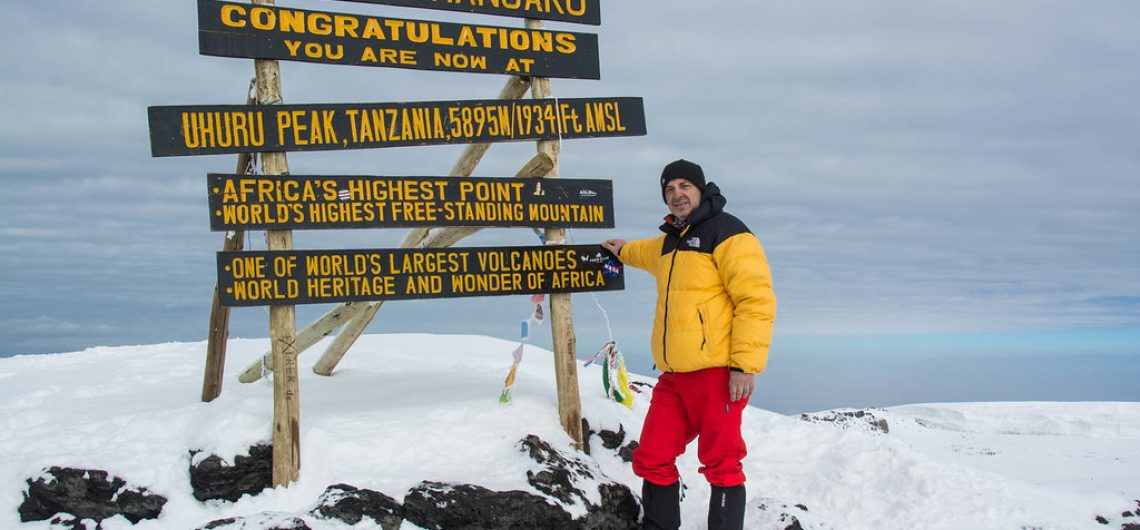
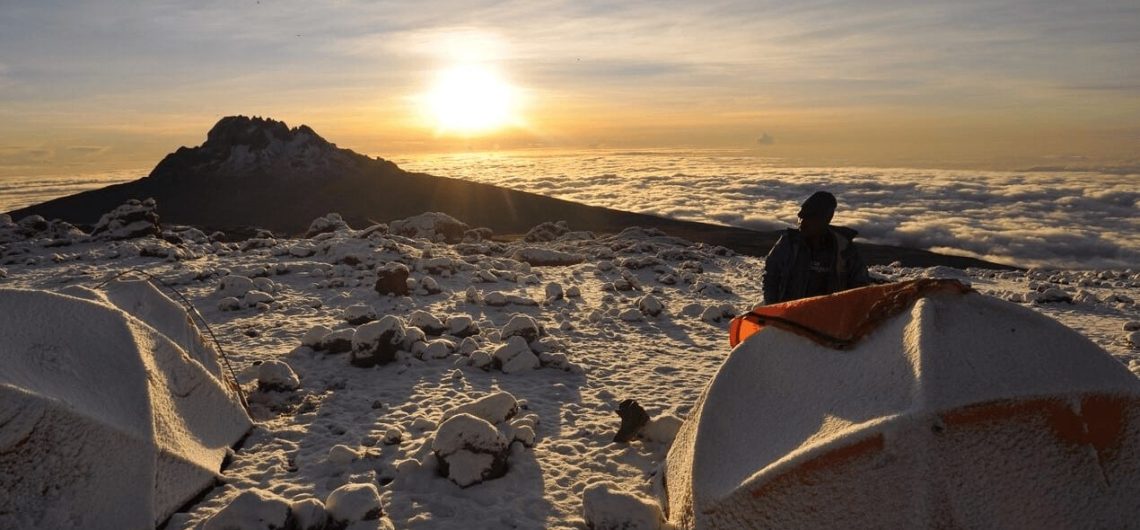
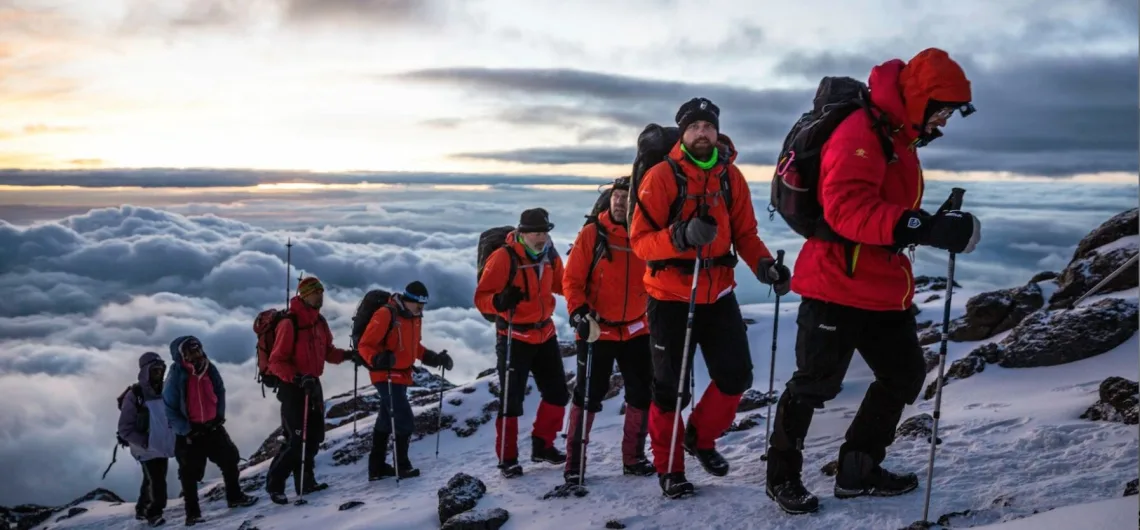
Staying warm at Uhuru Peak is essential for a safe and comfortable trek. Layering up, wearing a hat and gloves, and bringing a warm sleeping bag are all important steps to take. Using hand warmers, drinking warm liquids, staying active, and staying dry can also help you stay warm. With these tips, you can enjoy the incredible views from Uhuru Peak without being distracted by the cold. When asked what they are most concerned about when climbing Kilimanjaro, most climbers would say the summit attempt. While the previous nights on the mountain are spent sleeping in tents, this night is spent climbing to Uhuru Point. The trip to the peak is an arduous 4,000-foot ascent that usually takes 6 to 8 hours. This is a large length of time to hike slowly in possible subzero weather and high winds. Reaching Uhuru Peak, the highest point on Mount Kilimanjaro, is an incredible achievement. However, it can also be very cold at the summit, with temperatures often dropping well below freezing. Here are some tips on how to keep warm at Uhuru Peak: Dress in layers. This will allow you to adjust your clothing as needed to stay warm. Wear a hat, gloves, and a down jacket. These will help to keep your head, hands, and torso warm. Drink plenty of fluids. This will help to prevent dehydration, which can make you feel cold. Move around. This will help to generate heat. Take breaks. If you start to feel cold, take a break to rest and warm up. Be aware of the signs of hypothermia. These include shivering, slurred speech, and confusion. If you experience any of these symptoms, seek medical attention immediately. Here are some additional tips that may help you stay warm at Uhuru Peak: Eat a high-calorie meal before
Staying warm at Uhuru Peak is essential for a safe and comfortable trek. Layering up, wearing a hat and gloves, and bringing a warm sleeping bag are all important steps to take. Using hand warmers, drinking warm liquids, staying active, and staying dry can also help you stay warm. With these tips, you can enjoy
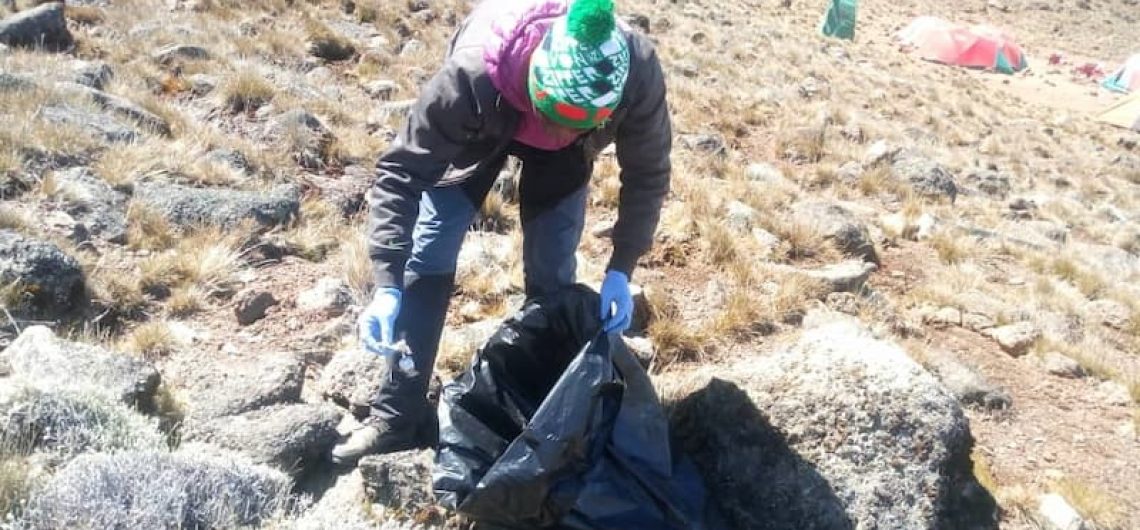
Mount Kilimanjaro is a UNESCO World Heritage Site and one of the most popular tourist destinations in Tanzania. The mountain is home to a variety of unique plants and animals, and its glaciers are a major source of water for the surrounding region. However, Mount Kilimanjaro is facing a number of environmental threats, including deforestation, climate change, and pollution. Deforestation is one of the biggest threats to Mount Kilimanjaro. The mountain's forests are being cleared for agriculture, logging, and charcoal production. This deforestation is leading to soil erosion, which is causing the glaciers to melt more quickly. Climate change is also having a major impact on Mount Kilimanjaro. The mountain's glaciers are melting at an alarming rate, and the average temperature is rising. This is causing the mountain's plants and animals to adapt, and some species are even becoming extinct. Reducing pollution to protect the mountain Pollution is another major threat to Mount Kilimanjaro. The mountain is located in a region with a high population density, and there is a lot of air and water pollution. This pollution is harming the mountain's plants and animals, and it is also making it difficult for people to breathe. There are a number of things that can be done to protect the environment of Mount Kilimanjaro. These include: Reducing deforestation: The government of Tanzania has banned logging in the Mount Kilimanjaro National Park, and it is working with local communities to reduce deforestation in the surrounding area. Combating climate change: The government of Tanzania is working to reduce its greenhouse gas emissions, and it is also working to adapt to the effects of climate change. Reducing pollution: The government of Tanzania is working to improve air and water quality in the Mount Kilimanjaro region. By taking these steps, the government of Tanzania and
Mount Kilimanjaro is a UNESCO World Heritage Site and one of the most popular tourist destinations in Tanzania. The mountain is home to a variety of unique plants and animals, and its glaciers are a major source of water for the surrounding region. However, Mount Kilimanjaro is facing a number of environmental threats, including deforestation,
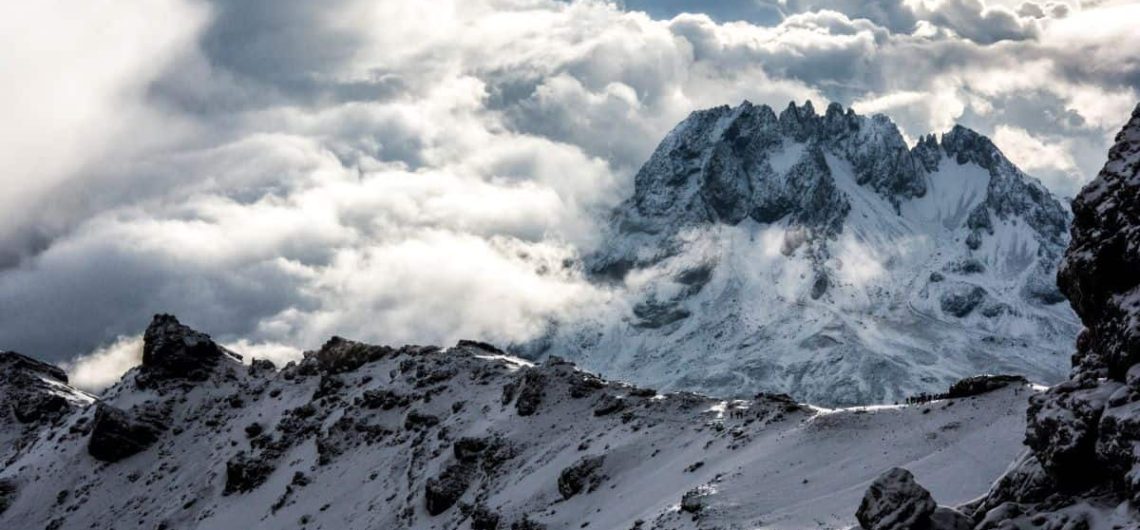
Uhuru Peak is the highest point on Mount Kilimanjaro and one of the most sought-after destinations for hikers and mountaineers. At an elevation of 5,895 meters (19,341 feet), the temperatures at Uhuru Peak can be extreme and challenging. The temperature at Uhuru Peak, the highest point on Mount Kilimanjaro, can vary greatly depending on the time of year, but it is typically very cold. The average temperature at Uhuru Peak is around -5 degrees Fahrenheit (-21 degrees Celsius). However, the temperature can drop below freezing at night, and it is not uncommon for the temperature to reach -20 degrees Fahrenheit (-29 degrees Celsius). It is important to be prepared for the cold weather when you are planning to climb Kilimanjaro. Be sure to pack warm clothing, including a down jacket, a hat, gloves, and a scarf. It is also a good idea to pack a sleeping bag that is rated for below-freezing temperatures. The average temperature at Uhuru Peak is about 32 degrees Fahrenheit (0 degrees Celsius). Why is the summit of Kilimanjaro so cold? The temperature at the summit is so cold because of the high altitude. The air at high altitudes is thinner and has less oxygen, which makes it harder for the body to stay warm. The sun's rays are also less powerful at high altitudes, so there is less heat to warm the air. Climbers who are planning to summit Mount Kilimanjaro should be prepared for the cold temperatures at Uhuru Peak. They should pack warm clothing, including a hat, gloves, and a down jacket. They should also drink plenty of fluids to stay hydrated. Daytime Temperatures During the day, temperatures at Uhuru Peak can range from -5°C to 5°C (23°F to 41°F), depending on the season and weather conditions. The sun can be intense at
Uhuru Peak is the highest point on Mount Kilimanjaro and one of the most sought-after destinations for hikers and mountaineers. At an elevation of 5,895 meters (19,341 feet), the temperatures at Uhuru Peak can be extreme and challenging. The temperature at Uhuru Peak, the highest point on Mount Kilimanjaro, can vary greatly depending on the
Kilimanjaro missing out on the death zone by over 2000 meters does not mean it is an easy thing to breathe without oxygen at the summit. The peak of Mount Kilimanjaro is located at 5,895 meters (19,341 feet), which is a significant distance below the danger zone. However, even at this altitude, the air is still thin and climbers may experience symptoms of altitude sickness. Climbers need to acclimatize properly and be prepared for the challenges of high altitude. Regardless, individuals who climb Kilimanjaro still need to exercise extreme caution due to the mountain's elevation, which can result in severe altitude sickness and even death. Before answering if there is a death zone on Mount Kilimanjaro, let us ask ourselves first: Where does the death zone begin? The term "Death Zone" is commonly associated with high-altitude mountaineering and refers to the altitudes where the lack of oxygen becomes particularly severe and poses significant risks to climbers. Mount Everest, for example, has a well-known Death Zone above 8,000 meters. Mount Kilimanjaro's height does not qualify to be classified as a death zone even though there is a certain altitude where you will start feeling the effect of altitude sickness if you have not acclimatized properly. Is It Safe to Climb the Mount Kilimanjaro? You should not be fooled into thinking that this mountain is a death trap because there have been known deaths on it. Mount Kilimanjaro is a mountain that is surprisingly safe when compared to other large mountain systems. On the mountain, there is just a 0.03% danger of dying, according to the statistics; this is a very small percentage compared to mountains such as Everest. On an annual basis, over 30,000 individuals scale Mount Kilimanjaro. Taking into account the fact that just a few individuals pass away each year, that is not a terrible number. Mount Kilimanjaro does not have a typical "Death Zone" like those found in high-altitude mountaineering since its peak is located well below the 8,000-meter level. This is even though it is 5,895 meters (19,341 feet) in height. Nevertheless, this does not imply that there are no potential hazards and risks involved with ascending the mountain. Not at all. About elevation, the summit of Kilimanjaro is about equivalent to that of Mount Everest Base Camp. Outside of the "death zone," which is located at an altitude of 26,000 feet, Everest climbers make use of oxygen. In the death zone, it is not feasible to become used to the area. If you were to use it to assist you in climbing Mount Kilimanjaro, you would run the danger of disguising the symptoms of altitude sickness and disrupting the natural process of adaptation you would normally experience. The lower realm death zone on Mount Kilimanjaro is an area above 18,000 feet (5,486 meters) above sea level. At this altitude, the air is so thin that the body can no longer get enough oxygen to function properly. This can lead to several serious health problems, including altitude sickness, high-altitude pulmonary edema (HAPE), and high-altitude cerebral edema (HACE). The death zone is a very dangerous place, and climbers should only attempt to ascend to this altitude if they
Kilimanjaro missing out on the death zone by over 2000 meters does not mean it is an easy thing to breathe without oxygen at the summit. The peak of Mount Kilimanjaro is located at 5,895 meters (19,341 feet), which is a significant distance below the danger zone. However, even at this altitude, the air is
Mount Kilimanjaro’s temperatures are defined primarily by altitude rather than season, creating a dramatic range from tropical heat at the base to arctic conditions at the summit. As you ascend roughly 1,000 meters per ecological zone, temperatures typically drop by about 6–7°C (11–12.5°F) due to the environmental lapse rate. But you will be fine if you pack well for your trek. Our recommended packing list can be found and downloaded here. The mountain sits near the equator, so seasonal variations are milder than in temperate regions. The warmest and driest months are typically January–February and August–September, while June–July can feel slightly cooler. The long rains (March–May) and short rains (November) bring more precipitation, but temperatures stay altitude-driven. Daytime warmth contrasts sharply with cold nights, especially higher up, and wind chill can make summit conditions feel far colder. You’ll experience everything from beach-like warmth at the start to genuine arctic conditions at the top — often within just a few days. Proper layering (base layers, insulating mid-layers, waterproof shell, down jacket, balaclava, gloves, etc.) is essential, especially for the summit push. What is the temperature at each of Kilimanjaro's Ecological Zones? Here are the five main climate zones with realistic average temperature ranges (daytime highs and nighttime lows). These are compiled from trekking operators and climate data. Actual conditions vary with weather, wind, cloud cover, and time of day. 1. Cultivation / Lower Slopes Zone (800–1,800 m / ~2,600–6,000 ft) Daytime: 21–30°C (70–86°F), sometimes up to 32°C Nighttime: 15–20°C (59–68°F) Characteristics: Warm, humid, agricultural land with banana plantations and villages. This is the starting area near Moshi or the park gates. Feels tropical and comfortable most of the year. 2. Rainforest / Montane Forest Zone (1,800–3,000 m / ~5,900–9,800 ft) Daytime: 15–27°C (59–80°F) Nighttime: 7–12°C (44–54°F) Characteristics: Lush, misty, and humid
Mount Kilimanjaro’s temperatures are defined primarily by altitude rather than season, creating a dramatic range from tropical heat at the base to arctic conditions at the summit. As you ascend roughly 1,000 meters per ecological zone, temperatures typically drop by about 6–7°C (11–12.5°F) due to the environmental lapse rate. But you will be fine if