We know how strong the call of the mountains is, so we’ve hand-picked the top climbing articles to save you time. A blog may inspire, challenge, and encourage you with everything from how-to articles to breaking news and epic summit tales. The finest mountaineering blogs are jam-packed with first-hand knowledge and personal guidance, as well as motivation to get you outside and services to connect you with other explorers or possible teammates. Welcome to our Top blog feeds and blog and we hope you enjoy our content, and hopefully book a climbing spot with Tranquil Kilimanjaro.
European travellers dreaming of standing atop Africa’s highest peak or witnessing the thundering Great Migration will soon enjoy simpler, more direct journeys. A wave of new and expanded airline routes from Europe to Kilimanjaro International Airport (JRO) is set to transform access to northern Tanzania’s world-famous attractions, including Mount Kilimanjaro climbs and the iconic safari destinations of the Northern Circuit. These developments come at a time when Tanzania’s tourism sector is experiencing strong growth, with international arrivals reaching record levels and the country solidifying its reputation as a premier destination for adventure and nature travel. Know the Direct Flights from Europe to Kilimanjaro International Airports Brussels Airlines Launches Direct Service to Kilimanjaro Brussels Airlines is adding Kilimanjaro to its long-haul African network with new non-stop flights from Brussels (BRU). The service begins on 3 June 2026, operating twice weekly on Wednesdays and Saturdays using an Airbus A330-300 configured with 288 seats across Business, Premium Economy, and Economy classes.This marks the airline’s longest scheduled route and expands its presence in East Africa. The approximately 9-hour-15-minute direct flight eliminates the need for time-consuming connections through Middle Eastern or other African hubs, offering a more seamless experience for passengers heading to the slopes of Kilimanjaro or the nearby national parks. CEO Dorothea von Boxberg highlighted the strategic importance: “Sub-Saharan Africa is our second home, and we’re happy to add an attractive destination to our network on this beautiful continent. Tanzania is a top destination for safaris, and we’re proud to contribute to the local economy by connecting Kilimanjaro to Brussels and beyond.”The new link provides convenient onward access to the Northern Safari Circuit, encompassing Serengeti National Park, Ngorongoro Conservation Area, Tarangire National Park, and Lake Manyara National Park. Neos Air Brings Seasonal Direct Flights from Italy Italian leisure carrier Neos Air is introducing
European travellers dreaming of standing atop Africa’s highest peak or witnessing the thundering Great Migration will soon enjoy simpler, more direct journeys. A wave of new and expanded airline routes from Europe to Kilimanjaro International Airport (JRO) is set to transform access to northern Tanzania’s world-famous attractions, including Mount Kilimanjaro climbs and the iconic safari
Knowing the flights from your country in Europe when you come to climb Mount Kilimanjaro and safari is important, but most importantly, knowing that Kilimanjaro International Airport is the connecting hub to these destinations, most importantly, Mount Kilimanjaro and Arusha. Since Arusha serves as Tanzania's safari capital, it is logistically easier to access parks like Serengeti and Tarangire. Lake Manyara and Ngorongoro from Arusha, Kilimanjaro International Airport, are the best and easiest places to land before your adventure. Imagine stepping off a plane after a comfortable flight and seeing the snow-capped peak of Mount Kilimanjaro rising dramatically in the distance. Thanks to a growing number of direct flights from Europe to Kilimanjaro International Airport (JRO), that dream is now more accessible than ever. JRO serves as the main gateway to northern Tanzania’s world-famous attractions — from climbing Africa’s tallest mountain to exploring the incredible wildlife of the Serengeti, Ngorongoro Crater, Tarangire, and Lake Manyara. Here’s everything you need to know about flying directly to Kilimanjaro from Europe in 2026 and beyond. Why Direct Flights to Kilimanjaro Matter Most travellers heading to Kilimanjaro for a climb or safari previously had to endure long layovers in the Middle East or via Nairobi/Dar es Salaam. Direct flights cut travel time dramatically (typically 7–9 hours), reduce fatigue, and make multi-destination trips much smoother. This is especially valuable for high-altitude trekkers who want to arrive feeling fresh and ready for the challenge ahead. Kilimanjaro International Airport Jomo Kenyatta International Airport Julius Nyerere International Airport (JNIA) - Dar es Salaam Current Direct Flights from Europe to JRO Here are the established direct options available right now: Airline From Frequency Flight Duration Notes KLM Amsterdam (AMS) Frequent (often daily) ~8h 50m Most reliable and popular direct route Edelweiss Air Zurich (ZRH) Seasonal ~8h 10m Excellent Swiss leisure
Knowing the flights from your country in Europe when you come to climb Mount Kilimanjaro and safari is important, but most importantly, knowing that Kilimanjaro International Airport is the connecting hub to these destinations, most importantly, Mount Kilimanjaro and Arusha. Since Arusha serves as Tanzania’s safari capital, it is logistically easier to access parks like
The 2026 FIFA World Cup (June 11 – July 19, 2026) is the biggest edition yet, with 48 teams and 104 matches co-hosted by Canada, Mexico, and the United States. This year's tournament falls right in the peak season of climbing Mount Kilimanjaro, when the weather is most favourable to climb, cool and dry to be exact, in the Kilimanjaro region of Tanzania. Even though Tanzania has not qualified or has never qualified, unfortunately, there are many football fanatics spread across the country. It is a great season for soccer fans after the UEFA Champions League match between Arsenal and PSG concluded. As the Arsenal fans across East Africa celebrate, what about football fans from around the world? For a tournament that takes place every four years, to some, it must mean a lot, because many people from different nationalities and ethnicities climb Kilimanjaro every year. Now, you are one of our climbers; we have you covered, but be aware that on the mountain, it is almost impossible to watch. You might get some updates from our guides at the camp, but it is not possible to follow live matches on TVs while climbing. I will give you two main reasons: lack of electricity and lack of signal up there. It is the first World Cup with three host nations and expanded to 48 teams. For climbers heading to Mount Kilimanjaro, Moshi (the main gateway town) is the ideal base. You can comfortably watch matches before your climb, during acclimatization/rest days, or after descending. Most hotels, lodges, and sports bars in Moshi have satellite TV (Azam TV or DStv/SuperSport) and will screen big games. On the mountain itself, live viewing is not practical, but many operators can update you on scores or arrange post-climb viewing parties. Climbing Kilimanjaro in July,
The 2026 FIFA World Cup (June 11 – July 19, 2026) is the biggest edition yet, with 48 teams and 104 matches co-hosted by Canada, Mexico, and the United States. This year’s tournament falls right in the peak season of climbing Mount Kilimanjaro, when the weather is most favourable to climb, cool and dry to
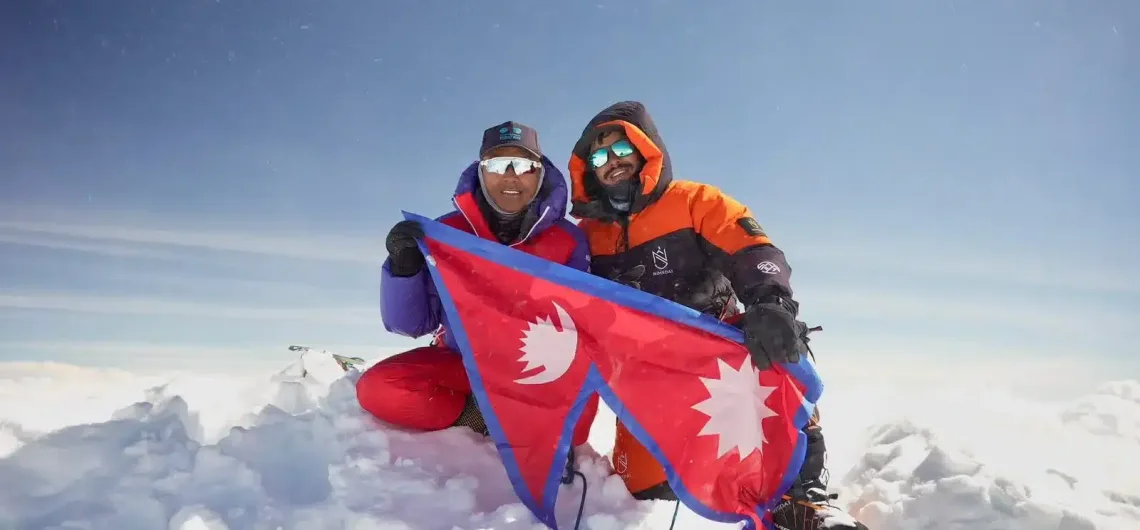
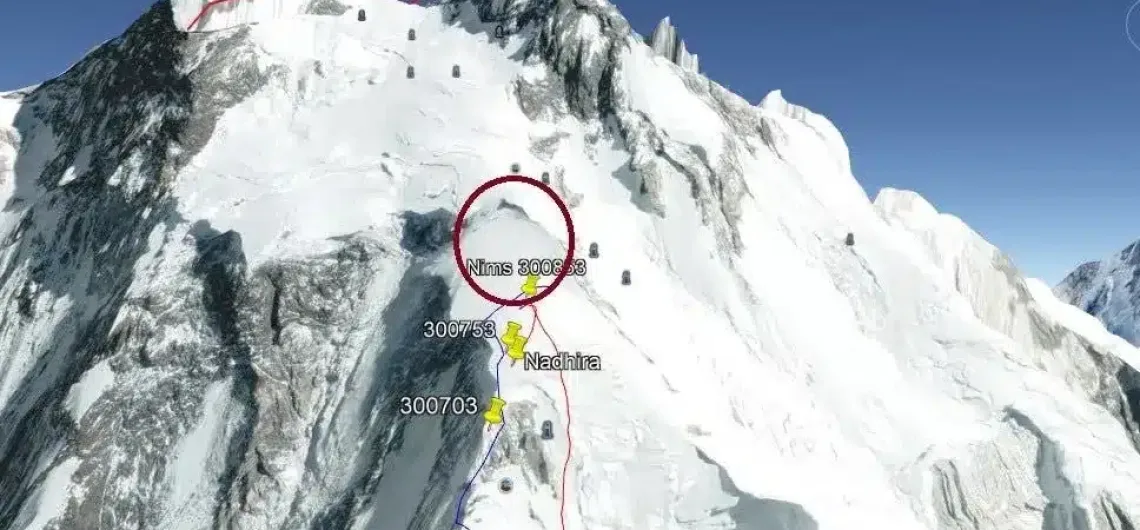
In what could possibly be the most successful summit window of the mountain’s enduring draw, a record 274 climbers summited Mount Everest from the Nepali side on Wednesday, shattering the previous single-day high from that route. The figure comfortably beat the old mark of 223 summits set on 22 May 2019. Because China has issued no permits on the northern (Tibetan) side this season, all attempts this year are funneled through Nepal, making the southern route even busier than usual. Photos and videos from the mountain showed long lines of climbers moving through the final ridge near the summit, particularly in the section known as the “balcony.”Nepali tourism officials described the day as historic but not unexpected, given the volume of climbers. They noted that coordination between expedition teams helped manage the congestion, even though queues formed in the upper sections of the climb. Record Permits, Record Revenue Nepal has issued a record 494 climbing permits this spring season — 389 to men and 105 to women from 55 different countries. At the current fee of $15,000 per permit (an increase from the previous $11,000), the Himalayan nation is set to earn more than $7.4 million from Everest alone this year. Overcrowding Concerns and Safety Mountaineering experts have long warned that large numbers of climbers increase risks, especially in the “death zone” above 8,000 metres, where oxygen levels are critically low. Despite the concerns, many operators say the situation remains manageable when teams are properly equipped.“If teams carry enough oxygen, it is not a big problem,” said Lukas Furtenbach of Austria-based Furtenbach Adventures, who currently has 40 clients on the mountain. He compared the crowds to popular Alpine peaks such as Germany’s Zugspitze, which sees thousands of hikers on its summit on busy days. This season started later than usual
In what could possibly be the most successful summit window of the mountain’s enduring draw, a record 274 climbers summited Mount Everest from the Nepali side on Wednesday, shattering the previous single-day high from that route. The figure comfortably beat the old mark of 223 summits set on 22 May 2019. Because China has issued
Africa's Ebola outbreaks have been a recurring issue in Uganda and DR Congo, the epicenter of the disease. Still, thankfully, health authorities, in conjunction with the WHO, have always been at the forefront of containing it. As of May 19, 2026, Tanzania has introduced targeted health measures for anyone arriving from or passing through the Democratic Republic of the Congo (DRC) or Uganda. Travelers in these categories must fill out a Traveller’s Surveillance Form and undergo temperature screening at airports, land borders, and seaports. These steps form part of a broader regional effort to monitor movement after the World Health Organization (WHO) declared the ongoing Ebola situation in parts of the DRC and Uganda a Public Health Emergency of International Concern (PHEIC). Tanzania remains free of confirmed Ebola cases and continues to serve as a major gateway for tourists exploring the Serengeti, Ngorongoro Crater, Mount Kilimanjaro, Zanzibar, and other iconic destinations. East African nations, including Tanzania, have ramped up surveillance at key entry points to protect one of the continent’s busiest tourism seasons. Ebola was first identified in 1976 during two simultaneous outbreaks in Nzara, South Sudan, and Yambuku, Democratic Republic of the Congo (DRC). Named after a nearby river in the DRC, the virus primarily spills over from infected wild animals like bats and non-human primates to humans, sparking periodic localized and global health crises. What vaccinations and immunizations are needed to visit Tanzania? Understanding the Current Outbreak The outbreak is centered in northeastern DRC (particularly Ituri Province) and has crossed into Uganda, involving the Bundibugyo strain of Ebola virus. This variant is relatively rare, and no approved vaccine or specific treatment currently exists for it. The WHO has noted that the situation may be expanding more quickly than initially anticipated, partly due to the remote, conflict-affected areas involved. Importantly,
Africa’s Ebola outbreaks have been a recurring issue in Uganda and DR Congo, the epicenter of the disease. Still, thankfully, health authorities, in conjunction with the WHO, have always been at the forefront of containing it. As of May 19, 2026, Tanzania has introduced targeted health measures for anyone arriving from or passing through the