
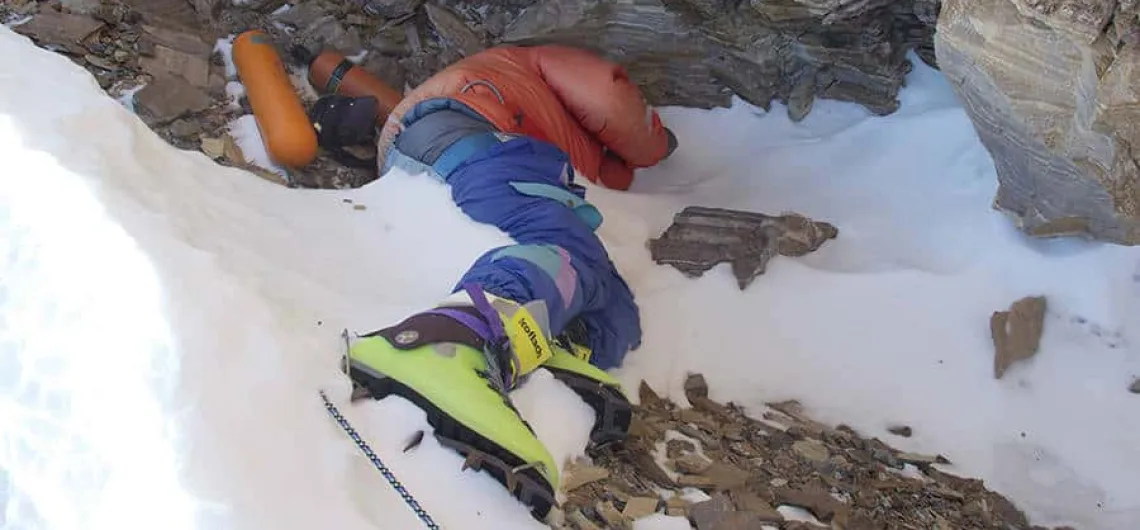
Green Boot’s body on Everest has been a controversial issue on Mount Everest for a long time. Finally, it seems like he might be given a befitting sendoff after over 30 years now. Indian authorities are preparing one of the most technically challenging body recovery operations ever attempted on Mount Everest. Mount Everest is filled with many bodies of climbers who were once motivated and determined before their dreams were cut short, either on their way up or descending from the summit. The Indo-Tibetan Border Police (ITBP) has floated a tender seeking bids from specialized high-altitude recovery teams to retrieve the remains of the climber long known only as “Green Boots” from the mountain’s northern (Tibetan) slope. The tender requires the contracted team to bring the body to Delhi by October. Experts describe the mission as extremely dangerous — “double the danger of normal climbing,” according to Tshiring Jangbu Sherpa, founder of Nepal-based Everest Sherpa Expedition, who has led multiple high-altitude recoveries. A 10-person team of highly trained climbers and Sherpas could need up to a week to complete the recovery, a Sherpa confirmed.
However, he noted that weather conditions make any attempt before spring highly impractical, raising questions about the tender’s June–October window. The ITBP has not responded to requests for comment. The body, nicknamed “Green Boots” because of the climber’s distinctive bright green Koflach boots, has been a grim landmark for decades at around 8,500 meters (27,900 ft) on the Northeast Ridge route. Climbers ascending from the north side have long used it as a reference point when communicating with base camp.
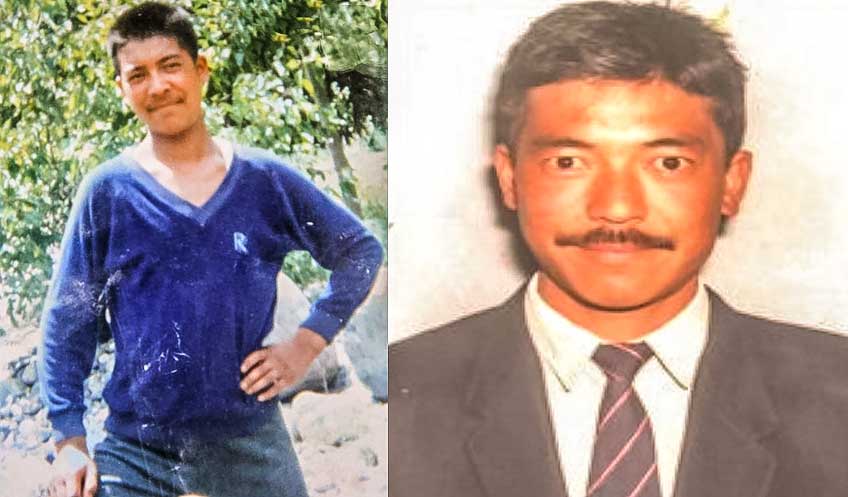
Important clarification on identity: While the body was long widely believed to belong to 28-year-old Head Constable Tsewang Paljor of the ITBP, official tender documents identify the remains as those of his fellow climber, Lance Naik Dorje Morup. DNA testing conducted in 2024 reportedly confirmed the identity as Morup.
What Happened to Him (The 1996 ITBP Expedition)
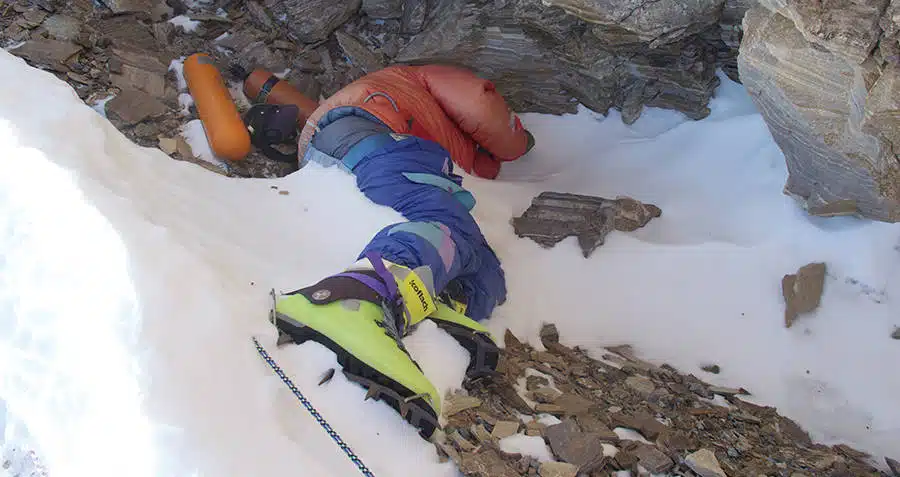
On May 10, 1996, three members of India’s Indo-Tibetan Border Police expedition — Subedar Tsewang Samanla, Lance Naik Dorje Morup, and Head Constable Tsewang Paljor — made a summit push from the north side of Everest. They were part of a historic attempt to achieve the first Indian ascent via the Northeast Ridge. The trio pressed on despite rapidly deteriorating weather. A sudden, violent blizzard struck near the summit.
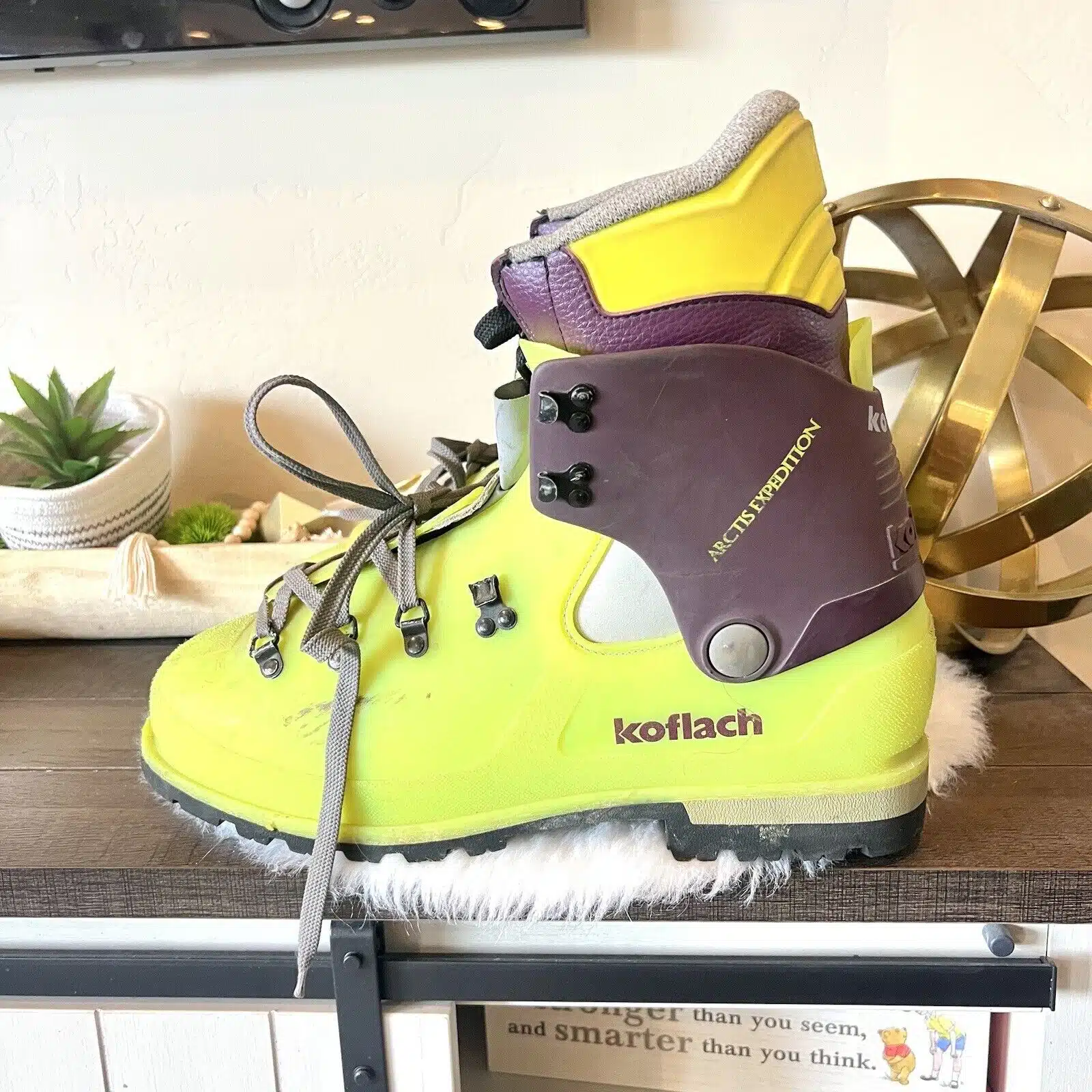
All three perished in the storm (the same deadly period chronicled in Jon Krakauer’s book Into Thin Air, though that focused mainly on the south side). Of the three, only one body was ever located: the climber curled in a small limestone alcove/cave along the route. For nearly three decades, because he died wearing Koflach green boots akin to what is shown below, this remnant became known worldwide as “Green Boots” and served as a somber waypoint for thousands of climbers.
Where the body might be at the moment (as of June 2026)
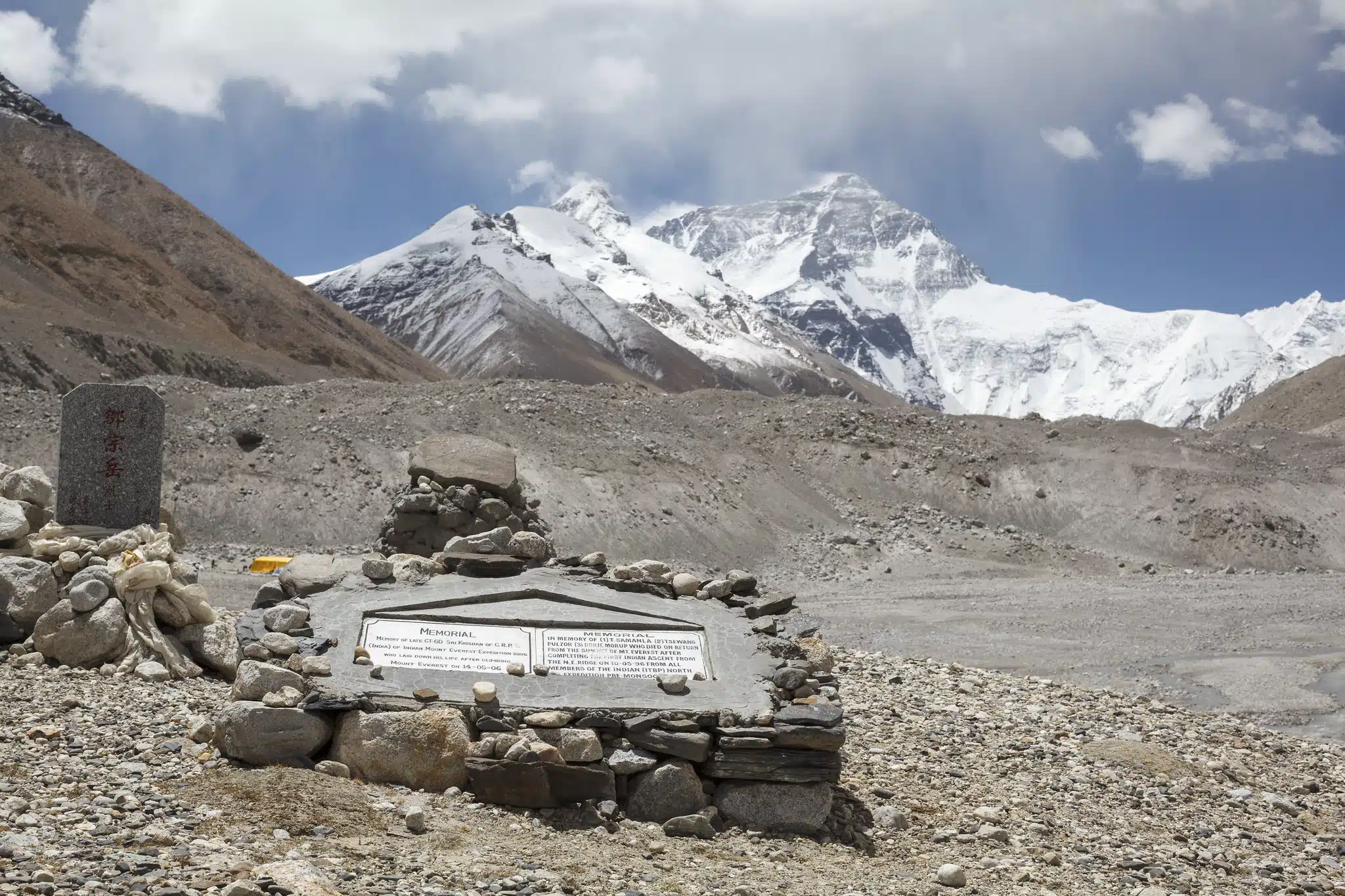
The remains are still on Mount Everest’s northern slope, in the “death zone” above 8,000 meters. They were originally positioned in a distinctive limestone alcove (often called the “Green Boots Cave”) right beside the climbing route at roughly 8,500 m.In 2014, a Chinese expedition moved the body to a less conspicuous nearby location (reportedly slightly off the main path or partially covered) out of respect for the deceased and to reduce the psychological impact on passing climbers. It has not been removed from the mountain. As of mid-2026, the body remains on Everest in that general area.
The current ITBP tender is specifically aimed at finally bringing these remains home. More than 200 bodies are still believed to be on Everest. Recovery operations at this altitude are extremely rare because of the immense danger and cost involved. Tshiring Jangbu Sherpa has been clear in his view: “My opinion is we must bring them down,” so families can have closure. This planned recovery, if successful, would mark a significant and respectful chapter in the long story of Everest’s fallen climbers.
Read more about climbers who died during the Everest 1996 tragedy
Eight climbers died along with Green Boots during the catastrophic blizzard on May 10–11, 1996. Five perished on the Nepalese (South) side, and three perished on the Tibetan (North) side. This 1996 tragedy inspire the movie Everest in 2015.
South Side (Adventure Consultants and Mountain Madness Expeditions):
Rob Hall, the Legendary Founder of Adventure Consultants and the 1996 Everest Tragedy
How Scott Fischer, co-founder of Mountain Madness, perished while rescuing climbers on Everest
Andy Harris: THE CLIMBER WHO DISAPPEARED WHILE HELPING OTHERS ON MT EVEREST
What happened to Doug Hansen, the “mailman” who climbed Everest
How Yasuko Namba met her tragic death in the 1996 Everest disaster
North Side (Indo-Tibetan Border Police Expedition):
- Tsewang Samanla: Reached the summit but perished during the descent in worsening conditions.
- Dorje Morup: Disappeared after a suspected fall or getting caught in the severe weather during the descent.
- Tsewang Paljor: Died during the descent; his remains were believed to be the “Green Boots” landmark.
Who survived the disaster?
Dozens of climbers and Sherpas survived the 1996 Everest disaster across the different expeditions. The most notable survivors from the worst of the blizzard—whose harrowing stories were documented in books and films—include:
- Beck Weathers, an American client famously left for dead after collapsing in the “death zone,” who miraculously awoke and staggered into Camp IV, later losing hands and a nose to frostbite.
- Jon Krakauer: An American journalist on assignment who survived the summit and later wrote the bestselling book Into Thin Air.
- Anatoli Boukreev: A lead guide for the Mountain Madness team who famously went back out alone into the blizzard in the middle of the night to rescue several stranded climbers.
- Makalu Gau (Gau Ming-Ho): Leader of the Taiwanese expedition who survived a harrowing night out in the storm near 8,000 meters.
- Neil Beidleman & Mike Groom: Guides who survived the night out on the South Col.
- Other Notable Clients: Charlotte Fox, Sandy Hill Pittman, Klev Schoening, Tim Madsen, Lou Kasischke, Frank Fischbeck, and Stuart Hutchinson.
- Sherpa Guides: Many high-altitude workers and guides, including Ang Dorje Sherpa, also survived the disaster.

