
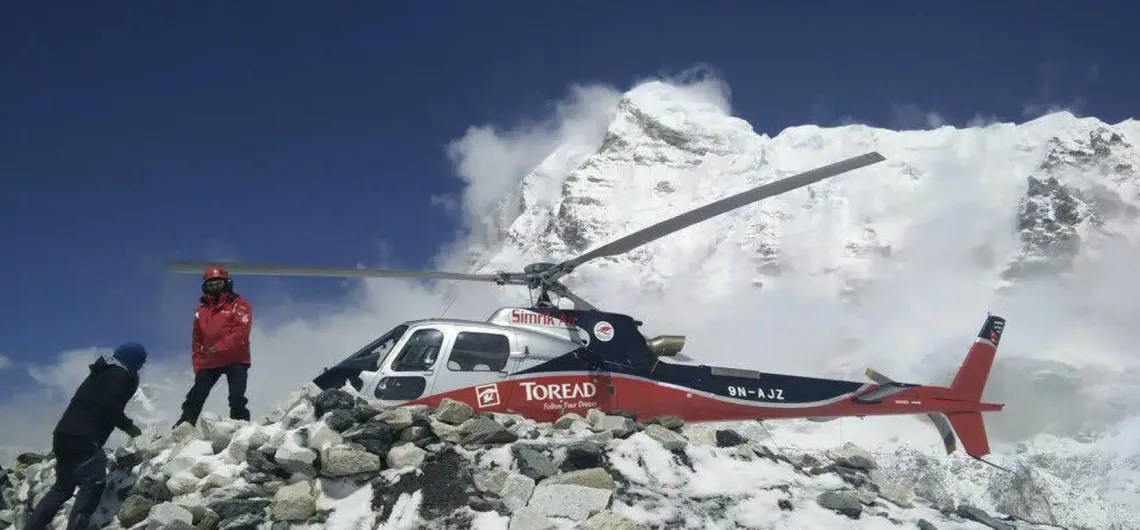
Scams seem to loom over the highest peak in the world, from sherpas exploiting female climbers to amateur companies causing climber deaths due to negligence. Everest is never a dull place, especially during the climbing window, but nothing comes close to this foiled insurance scam. Attempting this mountain in the Himalayas carries great risks; many climbers have reported jumping over dead bodies to make their dream of reaching the peak true. Reports suggest that this climb is one of the most brutal ones, with other risks like hypothermia, negligence, abandonment on the mountain, like in the case of David Sharp, some years back, and even death. In early 2026, Nepali authorities revealed that amid these legitimate risks, a sophisticated criminal network allegedly turned the mountain’s perils into a profit machine. An alleged $20 million insurance fraud scheme—spanning 2022 to 2025—has implicated trekking guides, helicopter operators, hospitals, and rescue companies in staging or inducing medical emergencies to bilk international travel insurers. The scandal, described by Nepal’s Central Investigation Bureau (CIB) as having “gravely damaged and degraded” the country’s international reputation, has sent shockwaves through the global adventure tourism industry.
At 29,029 feet (8,848 meters), Mount Everest stands as the ultimate test of human endurance, drawing roughly 1,000 climbers and trekkers each year to its slopes in Nepal. Only a fraction—about 7,583 successful summits in recorded history—ever reach the top. The journey is fraught with genuine dangers: extreme cold, avalanches, the notorious “death zone” above 26,000 feet where oxygen is scarce, and frequent cases of acute mountain sickness (AMS), high-altitude pulmonary edema (HAPE), or cerebral edema (HACE). Real rescues and medical evacuations are a routine part of Himalayan operations, often involving costly helicopter flights and hospital care in Kathmandu.
How the Alleged Scam Worked
According to Nepal Police’s CIB, the racket operated through a coordinated chain of actors. Foreign trekkers—often those already experiencing fatigue, mild altitude issues, or simply exhaustion after multi-day hikes to Everest Base Camp—were targeted. In some cases, guides allegedly encouraged climbers to feign illness for a quick helicopter ride down the mountain. In more serious allegations reported by local media, guides secretly laced food or drink with substances like baking soda to induce nausea, gastrointestinal distress, or symptoms mimicking severe AMS, prompting genuine-looking emergencies.
Once symptoms appeared, a helicopter—arranged through complicit rescue companies—would evacuate the trekker. Forged passenger manifests, medical documents, and flight records were allegedly submitted to justify the costly operation. The climber would then be admitted to one of several private hospitals in Kathmandu, where treatment was documented (sometimes with fabricated or recycled records, such as an assistant allegedly submitting his own year-old X-ray). Insurance claims followed, often for tens of thousands of dollars per incident, covering rescue, hospitalization, and related expenses.
The proceeds were reportedly split: hospitals kept the bulk but kicked back 20-25% each to trekking agencies and helicopter operators for patient referrals. Specific figures from investigations highlight the scale. One hospital alone, Era International, was linked to over $15.87 million in claims. Helicopter firms like Mountain Rescue Service allegedly conducted 171 unnecessary rescues out of 1,248 flights, claiming about $10.31 million, while others such as Nepal Charter Service and Everest Experience and Assistance, faced similar accusations of inflated or fake operations.
Investigators identified nearly 4,800 international climbers treated at implicated hospitals between 2022 and 2025, with over 300 cases flagged as fabricated rescues. The total fraud is estimated at around Rs 2.85 billion (roughly $20 million).
The Arrests and Charges
In late January 2026, the CIB launched a major probe, arresting senior executives from trekking and rescue companies. By March 2026, authorities had charged 32 individuals—including guides, trekking agency operators, helicopter company staff, hospital personnel, and others—with organized crime and fraud. Ten to eleven people were initially arrested, with others absconding. Prosecutors are reportedly seeking millions in fines.
Companies named in reports include Mountain Rescue Service, Nepal Charter Service, Everest Experience and Assistance, and hospitals such as Era International, Swacon International, and Shreedhi. The CIB spokesperson emphasized that foreign tourists enduring health problems in the Himalayas were “systematically defrauded.”
This is not the first time such allegations have surfaced. Nepali media, including The Kathmandu Post, exposed similar “fake rescue” networks as early as 2018. The current investigation appears to have built on those earlier findings, uncovering a more entrenched operation.
The Human and Reputational Cost
For climbers, the betrayal cuts deep. Sherpas and guides are traditionally revered as trusted partners who risk their lives to help clients summit or descend safely. Turning that relationship into a predatory scheme—potentially endangering health by inducing illness—undermines the entire industry. Victims may have paid high premiums for travel insurance only to have claims exploited without their full knowledge or consent. In some accounts, exhausted trekkers were pressured into unnecessary evacuations. The scandal has broader implications. Nepal relies heavily on mountaineering and trekking tourism for economic revenue and jobs. International insurers have reportedly begun questioning or withdrawing coverage for Himalayan expeditions, raising costs and deterring future visitors. The CIB has warned of damage to “Nepal’s national pride, prestige and dignity internationally.”
Real emergencies on Everest remain common. Every season sees deaths and legitimate rescues, as the mountain’s extreme conditions demand rapid response. This fraud allegedly exploited that reality, making it harder to distinguish genuine need from orchestrated claims and potentially straining rescue resources.
What Happens Next?
As the case moves through Kathmandu District Court, more details may emerge from interrogations and evidence like forged documents. Nepali authorities have stressed the investigation is ongoing, with potential for additional charges. For the adventure tourism sector, the scandal is a wake-up call. Stronger oversight of guides, helicopter operators, and hospitals—along with better verification processes for insurance claims—will be essential to restore trust. Climbers are advised to choose reputable operators, scrutinize insurance policies, and remain vigilant about any pressure to stage or exaggerate medical issues. Mount Everest has long symbolized human ambition and resilience. This alleged $20 million scam reveals a darker side: how greed can corrupt even the world’s most iconic and dangerous frontier. As investigations continue, the hope is that accountability will help safeguard the mountain’s future for honest adventurers. The peak itself remains unforgiving—but now, so too must be the response to those who exploited it.
Related Articles:
- Why you should avoid cheap Kilimanjaro tour operators
- Lincoln Hall, a climber who survived the Death Zone of Mt Everest after he was left for dead overnight.
- Into Thin Air – The Book and Movie About Death on Everest
- The sad death of French alpinist Jean Couzy in a rockfall in the Dévoluy Mountains
- Is There a Death Zone on Kilimanjaro?
- Francys Arsentiev – The Sleeping Beauty of Mount Everest
- Rape and sexual harassment rock the mountaineering community, from Nimsdai to Charles Barret
- Who is Green Boots, the famous body on Mount Everest?
- 15 Most Dangerous Mountains to Climb in the World
- How George Mallory’s body was discovered on Everest
- Andrew Irvine’s body part found on Everest. How Sandy’s foot and boot discovery would solve the 100 years mystery
- Mount Everest cornice collapse, overcrowded long queues, filthy base camp conditions, thick traffic jams in the spotlight
- How Toni Kurz suffered a painful death, dangling on a rope for days in north face of the Eiger
- About Hannelore Schmatz, the First German and First Woman to Die on Mount Everest
- Noel Hanna: Legend Alpinist who has climbed Mount Everest 10 times, dies during a trek in Nepal

