
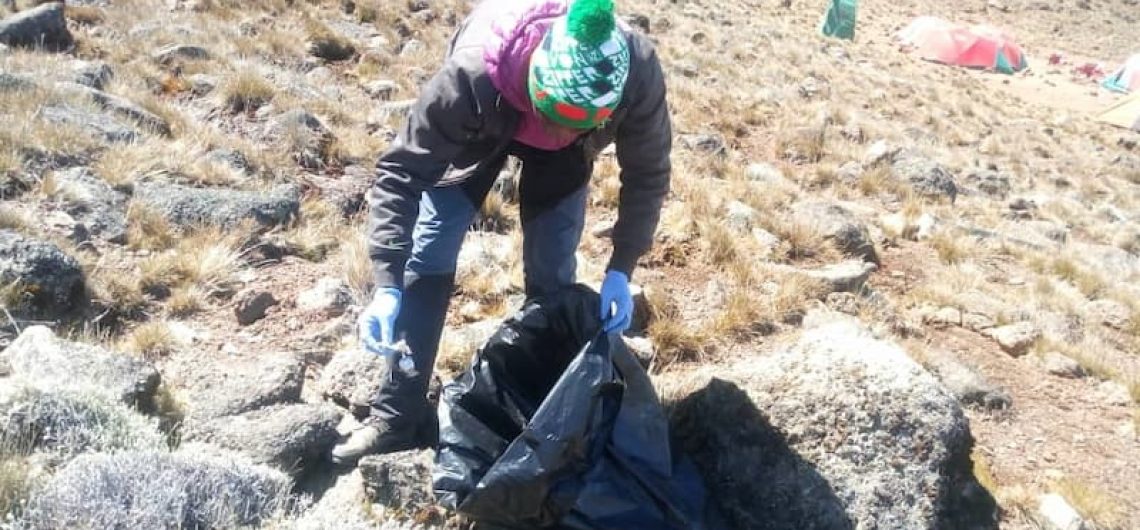
As we head into 2027, this year 2026, climbing Mount Kilimanjaro feels different — cleaner, more intentional, and undeniably more rewarding. Gone are the days when plastic bottles and wrappers dotted the trails or piled up at camps. TANAPA (Tanzania National Parks Authority) has doubled down on its long-standing “Pack In, Pack Out” and Leave No Trace principles, turning what was once a voluntary ideal into a strictly enforced reality.
The result? A mountain that looks and feels pristine, even as 50,000+ trekkers ascend each year. But these “new” 2026 rules — actually a sharpened enforcement of the 2019 national plastic bag ban combined with intensified zero-waste protocols — demand real changes in how you prepare and what you bring. This exhaustive guide breaks down exactly what changed, why it matters, and the battle-tested zero-waste packing list that keeps you compliant, comfortable, and part of the solution.
Ice cover on Kilimanjaro increases steadily to 5.92 square kilometres, almost triple the past size
The Waste Problem That Sparked the Rules
For decades, Kilimanjaro’s popularity created a hidden cost: tons of non-biodegradable waste. Thousands of trekkers and porters carried up plastic bottles, food wrappers, batteries, and packaging, but not always carried down. Microplastics were even detected in summit snow. Human waste mismanagement and trail litter threatened the fragile ecosystems across five vegetation zones.TANAPA responded decisively. The nationwide ban on all plastic carrier bags (effective June 2019) was the first major strike. It prohibits the import, manufacture, sale, storage, supply, or use of any plastic bags — regardless of thickness — in mainland Tanzania, including inside the park. By 2025–2026, enforcement escalated. A high-level stakeholder meeting in Moshi in April 2026 renewed commitments to eliminate solid and liquid waste. Operators must now prove proper waste disposal to receive permits. Many sources describe a full “zero-waste” push: digital waste logging, post-expedition camp inspections, and mandatory use of biodegradable materials. TANAPA’s stated goal is zero single-use plastics across northern parks by 2030, with immediate stricter rules on the mountain.
What the 2026 Rules Actually Require
TANAPA enforces these core non-negotiables:
- Pack In, Pack Out / Leave No Trace: Every piece of non-biodegradable waste you bring up (wrappers, batteries, packaging, and toilet paper if not using latrines) must come down. Thousands of trekkers and porters carry plastic bottles, food wrappers, batteries, and packaging; they carry them in designated bags; nothing is left behind. Leave No Trace principle to a cleaner Mount Kilimanjaro, Explained
- Plastic Ban in Practice: No plastic carrier bags or single-use plastic water bottles on the mountain. Ziplock-style bags are allowed only for personal toiletries that you take home with you — not for disposal in Tanzania.
- Designated Waste Systems: Every official camp has labeled bins (organic, plastic/recyclables, metal). Hazardous items (batteries, gas canisters, medical waste) go back to the gate.
- Human Waste: Use only designated long-drop latrines or portable toilets (increasingly common on popular routes). Open defecation is banned and fined.
- Operator Accountability: Licensed operators must use company-branded reusable packaging and biodegradable alternatives where possible and log waste digitally in some cases. Random ranger inspections on trails enforce zero litter.
- Penalties: Fines, permit revocation for operators, or removal from the park for serious violations. Compliance is now part of the permit process.
These rules don’t just reduce litter — they protect glaciers, soil, and wildlife while improving porter working conditions (lighter waste loads when everyone packs smart).
Kilimanjaro National Park Fees, Rules and Regulations
How the Rules Changed the Trek Experience
Trekkers notice the difference immediately: trails look untouched, camps are cleaner, and the “roof of Africa” feels more wild. Operators now supply reusable water systems and biodegradable toiletries as standard. The shift adds zero extra cost for well-prepared climbers but rewards those who plan. It also ties into broader initiatives like the Green Route upgrades (composting toilets, recycling stations at Machame and Marangu gates) and porter welfare standards via KPAP. The bottom line: Your trek now actively contributes to conservation rather than consuming the mountain.
The 2026 Zero-Waste Packing List: What to Bring (and What to Leave Behind)
Forget generic lists. Here’s the exhaustive, rule-compliant 2026 edition. Focus on reusables, biodegradables, and minimal packaging. Aim for a 10–15 kg personal duffel (porters’ limit is ~20 kg including your gear) and a 5–7 kg daypack.
1. Hydration System (Critical – No Single-Use Bottles)
- 2–3 L capacity in reusable bottles or bladder: 2 × 1 L wide-mouth Nalgene or stainless-steel bottles + 2 L hydration bladder (e.g., CamelBak or Platypus). Wide mouths prevent freezing on summit night.
- Water purification: LifeStraw, SteriPEN, or tablets (backup only). Many operators boil or filter water at camps.
- Why? Disposable plastic bottles are banned to stop litter.
2. Personal Care & Toiletries (Biodegradable Only)
- Bar soap or biodegradable liquid soap (Dr. Bronner’s).
- Biodegradable wet wipes or reusable Kula Cloth (antimicrobial pee cloth) + small compostable waste bags for toilet paper.
- Toothbrush, toothpaste (tablet form or small tube), deodorant stick.
- Sunscreen, lip balm with SPF, moisturizer — all in reusable or minimal packaging.
- Menstrual products: Reusable cup or biodegradable options (pack out used items).
- Hand sanitizer (small, refillable).
- No: Plastic ziplocks for anything disposable on the mountain; regular wet wipes (non-biodegradable); single-use toiletry bottles.
3. Food & Snacks
- Energy bars, nuts, and gels in minimal or bulk packaging (transfer to reusable snack pouches or cloth bags before the trek).
- Reusable silicone or collapsible food containers for lunches if needed.
- No individually wrapped plastic-heavy snacks.
4. Packing & Organization (No Plastic Bags)
- Reusable stuff sacks, compression sacks, or dry bags (silnylon or recycled fabric).
- Cloth laundry bag or mesh sack.
- One small, sealable, reusable pouch for personal litter (wrappers, tissues) that you carry out yourself.
5. Waste Management Kit (Your Personal Responsibility)
- Small reusable “trash bag” or dry bag for daily litter.
- Biodegradable dog-poop-style bags (for used toilet paper or hygiene items) — only if certified compostable and you pack them out.
- Headlamp with rechargeable batteries (or extra rechargeables — no disposables).
6. Other Essentials (Unchanged but Eco-Minded)
- All clothing layers, sleeping bag (rated to –18°C/0°F), trekking poles, rain gear, etc., as per standard lists.
- Solar charger or power bank (rechargeable everything).
- First-aid kit in a reusable case.
Pro Tip: Many reputable operators (KPAP-registered) now provide stainless-steel water bottles and biodegradable kits. Confirm in advance. Test everything on training hikes.
Practical Tips for a Seamless Zero-Waste Climb
- At the Gate: Expect possible bag checks. Remove any banned plastic packaging before entry.
- Daily Routine: Use camp bins. Carry a small personal litter pouch in your daypack. At the end of each day, hand non-biodegradables to your porter or guide.
- Summit Night: Pre-fill reusable bottles; keep wrappers in your pocket.
- Choose Wisely: Book with KPAP-certified operators who already follow these standards. They handle waste tracking and provide compliant gear.
- Post-Trek: Recycle what you can in Moshi/Arusha. Many lodges have programs.
The Bigger Picture: Why These Rules Matter
Your 2026 trek directly supports TANAPA’s recycling partnerships, reforestation, and microplastic reduction. It eases the burden on porters and preserves the mountain for future generations. The 95% drop in plastic bag pollution nationwide since 2019 proves these policies work — now Kilimanjaro is leading the way. Climbing Kilimanjaro has always been about personal achievement. In 2026, it’s also about leaving no trace—literally. Pack smart, trek responsibly, and you’ll summit with a clean conscience and clearer views. Ready to climb the new, zero-waste way? Download your printable 2026 checklist from your operator and double-check with them before you fly. The mountain is waiting — cleaner than ever. Safe, sustainable climbs. See you at Uhuru Peak.
Sources & Further Reading: TANAPA guidelines, Kilimanjaro National Park official rules, and 2025–2026 operator compliance updates. Always verify the latest with your licensed operator and the official TANAPA site before booking.

