
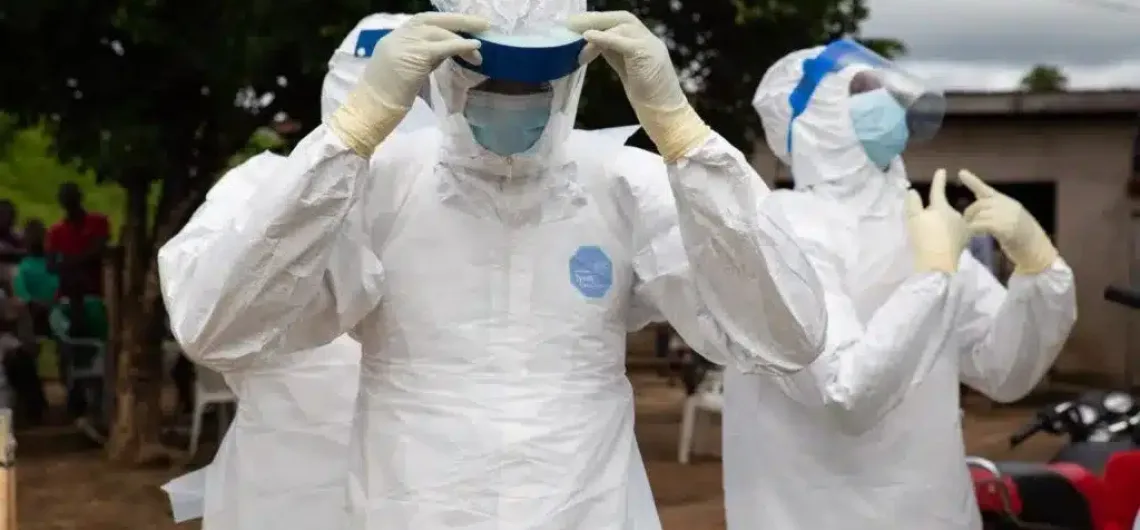
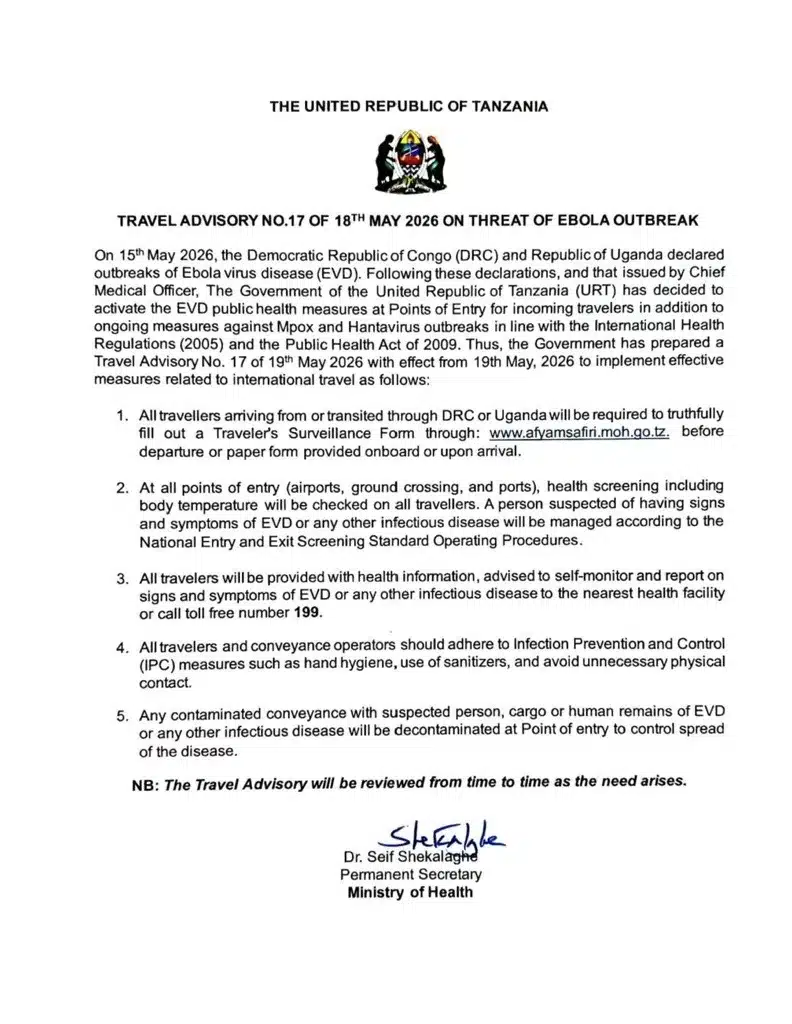
Africa’s Ebola outbreaks have been a recurring issue in Uganda and DR Congo, the epicenter of the disease. Still, thankfully, health authorities, in conjunction with the WHO, have always been at the forefront of containing it. As of May 19, 2026, Tanzania has introduced targeted health measures for anyone arriving from or passing through the Democratic Republic of the Congo (DRC) or Uganda. Travelers in these categories must fill out a Traveller’s Surveillance Form and undergo temperature screening at airports, land borders, and seaports. These steps form part of a broader regional effort to monitor movement after the World Health Organization (WHO) declared the ongoing Ebola situation in parts of the DRC and Uganda a Public Health Emergency of International Concern (PHEIC). Tanzania remains free of confirmed Ebola cases and continues to serve as a major gateway for tourists exploring the Serengeti, Ngorongoro Crater, Mount Kilimanjaro, Zanzibar, and other iconic destinations. East African nations, including Tanzania, have ramped up surveillance at key entry points to protect one of the continent’s busiest tourism seasons. Ebola was first identified in 1976 during two simultaneous outbreaks in Nzara, South Sudan, and Yambuku, Democratic Republic of the Congo (DRC). Named after a nearby river in the DRC, the virus primarily spills over from infected wild animals like bats and non-human primates to humans, sparking periodic localized and global health crises.
What vaccinations and immunizations are needed to visit Tanzania?
Understanding the Current Outbreak
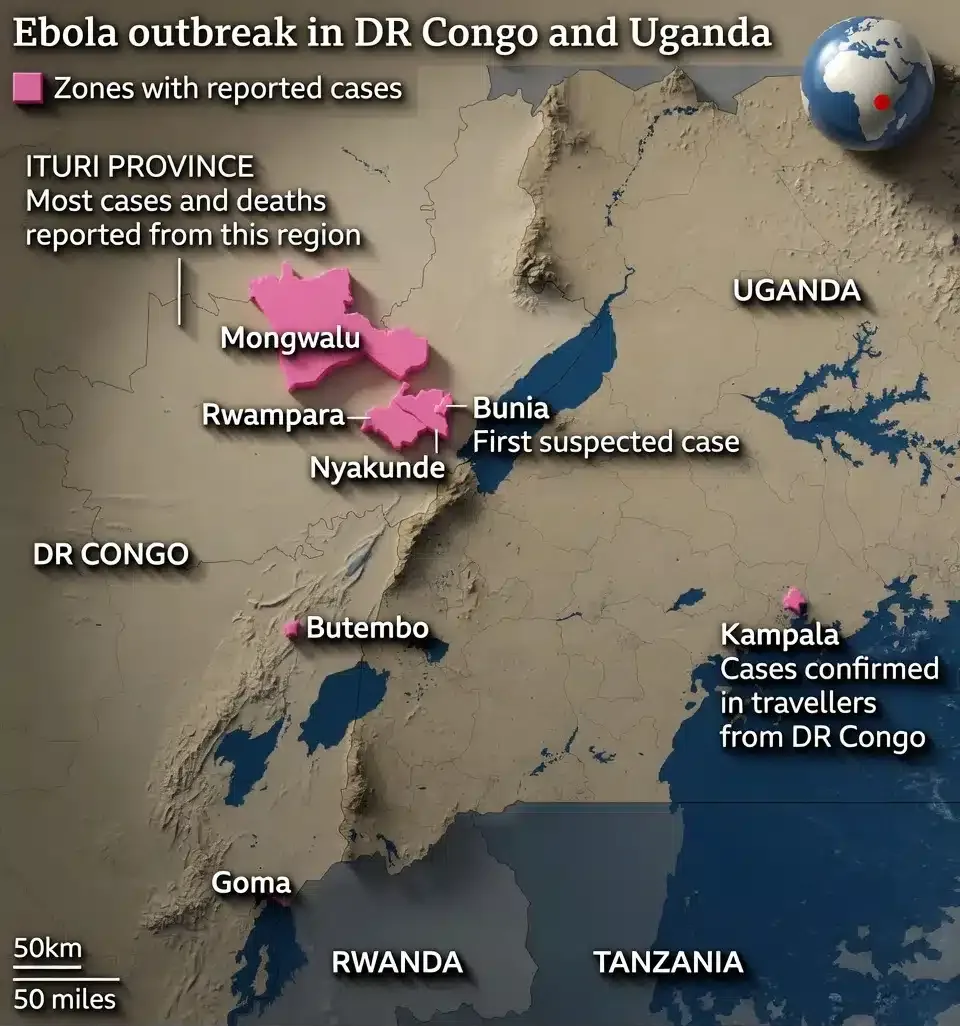
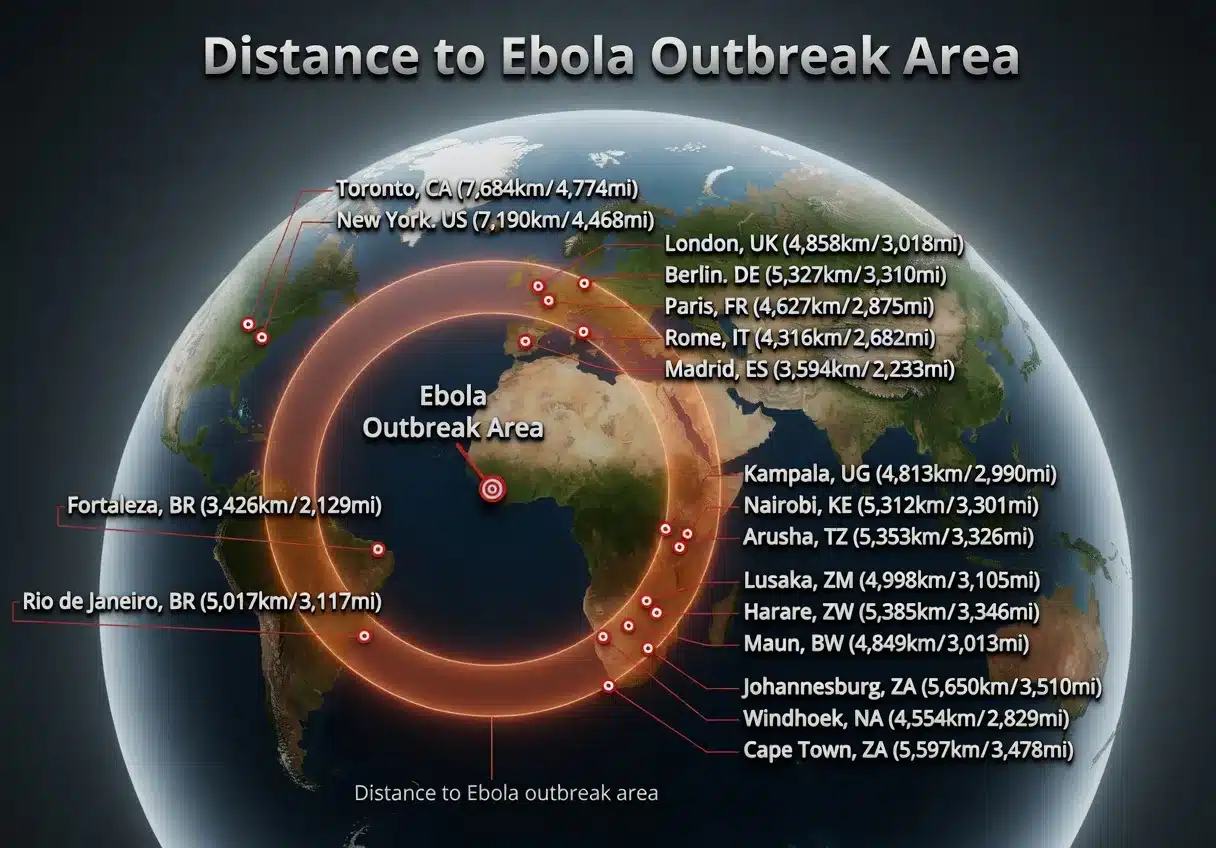
The outbreak is centered in northeastern DRC (particularly Ituri Province) and has crossed into Uganda, involving the Bundibugyo strain of Ebola virus. This variant is relatively rare, and no approved vaccine or specific treatment currently exists for it. The WHO has noted that the situation may be expanding more quickly than initially anticipated, partly due to the remote, conflict-affected areas involved. Importantly, this remains a localized event in Central Africa. Major safari and trekking hubs in East Africa, such as those in Tanzania, are geographically distant from the affected zones—roughly the same distance as parts of Europe or South America.
Low Risk for Safari and Kilimanjaro Travelers
Many international visitors mistakenly treat the entire African continent as a single high-risk area when assessing health threats. In reality, the current Ebola outbreak poses minimal danger to travelers visiting Tanzania’s national parks or attempting to summit Kilimanjaro. Ebola spreads through direct contact with bodily fluids (such as blood, sweat, saliva, vomit, or diarrhea) from an infected person or contaminated surfaces—not through the air, casual contact, or general proximity. With no reported cases in Tanzania and robust screening protocols already in place, the risk of exposure for typical tourists remains extremely low. Tourism operators and health authorities in East Africa maintain precautions similar to those in many other parts of the world. That said, the perception of risk has already affected bookings in some cases, even though the practical threat to visitors in unaffected countries like Tanzania is negligible.
What Is Ebola, and What are the Symptoms?
Ebola is a serious viral illness that primarily circulates among certain animal populations, such as fruit bats, before occasionally spilling over to humans—often through handling or consuming infected wildlife. Symptoms typically appear between 2 and 21 days after exposure and begin abruptly, resembling common illnesses like flu or malaria:
- Fever
- Headache
- Fatigue
- Muscle pain
As the disease advances, it can cause vomiting, diarrhea, and in some cases, organ failure or internal/external bleeding. Early detection and supportive medical care are critical.
Practical Advice for Travelers to Tanzania
- Check entry requirements: Most tourists arriving directly for safaris or Kilimanjaro climbs will not need the special surveillance form unless their itinerary involves recent travel through DRC or Uganda.
- Follow standard hygiene: Practice frequent handwashing, avoid contact with sick individuals or wildlife, and only consume properly prepared food and drinks.
- Monitor updates: Rely on official sources such as the Tanzania Ministry of Health, WHO, and your tour operator rather than sensational headlines.
- Travel insurance: Ensure your policy covers medical evacuation and trip interruptions related to health concerns.
- Consult your doctor: Discuss any pre-existing conditions and consider routine vaccinations (yellow fever is often required for Tanzania).
History of the Ebola Virus
A timeline of major milestones in the history of Ebola outbreaks includes:
- 1976 (Initial Discovery): Two simultaneous outbreaks. The Zaire strain (DRC) caused intense outbreaks with up to a 90% fatality rate, while the Sudan strain hit South Sudan.
- 1995 (Kikwit, DRC): A massive outbreak spread through families and hospitals, sickening over 300 people. This event highlighted the importance of barrier nursing methods (face masks, gloves, gowns) to stop transmission.
- 2014–2016 (West Africa Epidemic): The largest and most complex Ebola outbreak in history. It started in Guinea and quickly spread to Liberia and Sierra Leone, resulting in more than 28,600 cases and 11,300 deaths. This was the first time the disease caused widespread urban outbreaks and global travel concerns.
- 2018–2020 (Eastern DRC): An outbreak in conflict-heavy regions of the DRC that led to over 3,400 cases. This outbreak marked a turning point medically, as advanced experimental treatments and vaccines were rolled out to successfully contain the spread.
- 2022–2026 (Uganda and DRC): Multiple smaller, regional flare-ups. Continued monitoring and rapid deployment of vaccines have helped medical teams limit the outbreaks quickly.
Ebola Vaccine: Is there any hope?
The World Health Organization (WHO) has indicated that developing a vaccine for the Bundibugyo strain of Ebola could take up to nine months. Currently, two experimental vaccines are in development but have not yet commenced clinical trials, according to WHO adviser Dr. Vasee Moorthy. WHO Director-General Dr. Tedros Adhanom Ghebreyesus reported approximately 600 suspected cases and 139 suspected deaths linked to the outbreak, which began in the Democratic Republic of Congo (DRC) and has extended into Uganda. Laboratory confirmations include 51 cases in the DRC and two in Uganda, one of whom has died. The WHO classified the situation as a public health emergency of international concern; however, it does not qualify as a pandemic emergency, although the risk remains high at national and regional levels. The outbreak is concentrated in eastern DRC, particularly in Ituri and North Kivu provinces, where local health facilities are overwhelmed by suspected cases, leading to concerns over insufficient protective equipment for healthcare workers. In response to the crisis, the UK government has pledged up to £20 million to assist in containment efforts. DRC is experiencing its 17th Ebola outbreak overall, with Bundibugyo being a rarer strain that has appeared only three times previously. Although this strain is generally less lethal than the more common Zaire variant, its rarity results in fewer available treatment tools. The WHO has acknowledged criticism over its response speed, emphasizing the complexities of operating in such challenging conditions. Initial symptoms of Ebola are often confused with common local diseases, complicating timely diagnosis and intervention, particularly amid ongoing conflicts in eastern DRC. The WHO continues to monitor the situation closely as it evolves.
Tourism remains very much open and active across Tanzania’s premier destinations. The enhanced screening measures are precautionary and designed to keep visitors safe without disrupting legitimate travel. While global health authorities work to contain the outbreak at its source, travelers to Tanzania can proceed with confidence, exercising the same common-sense precautions they would anywhere else. Always stay informed through reliable channels, and enjoy the extraordinary wildlife, landscapes, and cultural experiences that make a Tanzanian safari or Kilimanjaro climb unforgettable.
- Avoiding malaria and diarrhoea on your trek
- Avoiding Malaria on Kilimanjaro
- Malaria: Why some people get bitten by mosquitoes more than others?
- Is bug spray and mosquito repellent needed for Kilimanjaro treks?
- Can I climb Kilimanjaro while pregnant?
- Menstrual Period on your Kilimanjaro trek? No problem.
- Is it hard to breath on Kilimanjaro?
- Other Kilimanjaro health problems and common ailments
- Should I have a medical checkup before climbing Kilimanjaro?
- Is it possible to climb Mt. Kilimanjaro with bad knees?
- Can a smoker climb Kilimanjaro?
- PCR Covid test in Tanzania for Climbing Mount Kilimanjaro & safaris

