
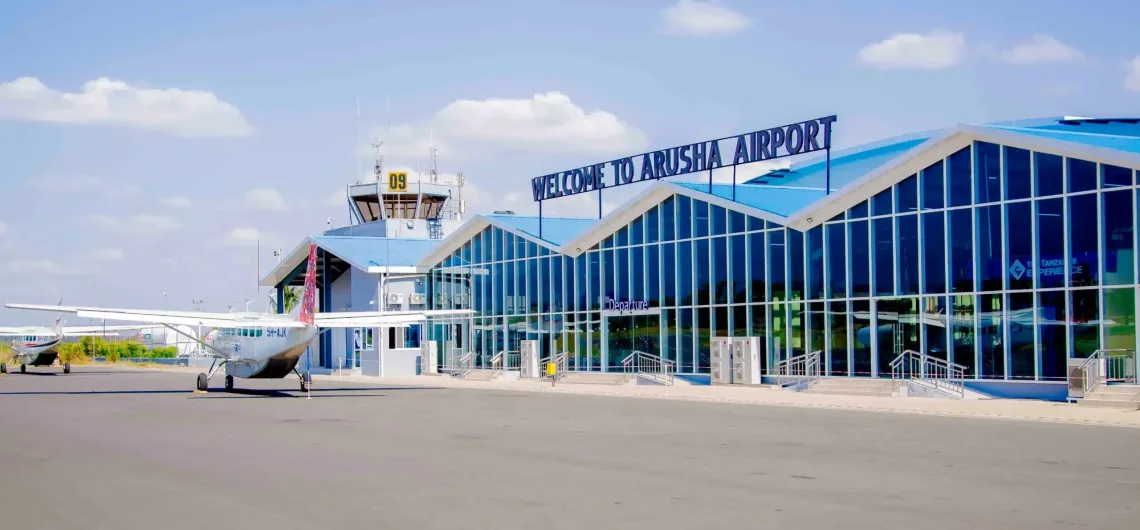
For a long time, Arusha Airport has held a pivotal role in connecting safari goers across Tanzania, moving from park to park and travellers moving in between towns and cities within the country and over the borders of Tanzania. Located in Olasiti, just past the TANAPA headquarters along the Dodoma Road (A104) highway. This is the same road that takes you to Karatu Town, the nearest major town to all the parks and safari destinations isolated in the northern circuit of Tanzania. Ofcourse there is mto wa Mbu and Mwanza towns, but Karatu is more central and accessible. Most people confuse Arusha Airport and the Kilimanjaro International Airport; no, they are not the same, and they are some distance apart. Kilimanjaro International Airport is located on your way to Moshi from Arusha, midway between the towns. If you’ve ever flown into northern Tanzania for a safari, you know the drill: land at Kilimanjaro International (JRO), then endure a bumpy transfer to Arusha before finally heading out to the parks. That extra leg has always been the slightly annoying reality check after a long-haul flight. But as of mid-2025, everything changed. Arusha Airport (ARK/HTAR) officially became an international airport — complete with immigration, customs, and the infrastructure to handle global arrivals. It’s not just a technical upgrade; it’s a genuine game-changer for anyone dreaming of the Serengeti, Ngorongoro Crater, or Mount Meru. I’ve been flying in and out of Arusha for years, and watching this transformation, both utilising this airport and driving by towards Kisongo on my way to Tarangire, Serengeti, Lake Manyara, and Ngorongoro for safari, has been exciting. What was once a sleepy domestic hub just 7 km from the city centre is now positioned as the true “safari capital” airport — slashing transfer times, cutting costs, and putting you straight into the action. There are a few hotels just near the airport in Arusha, the most notable ones being the A1 hotel, built on a hill overlooking the airport and Burka Coffee Lodge.
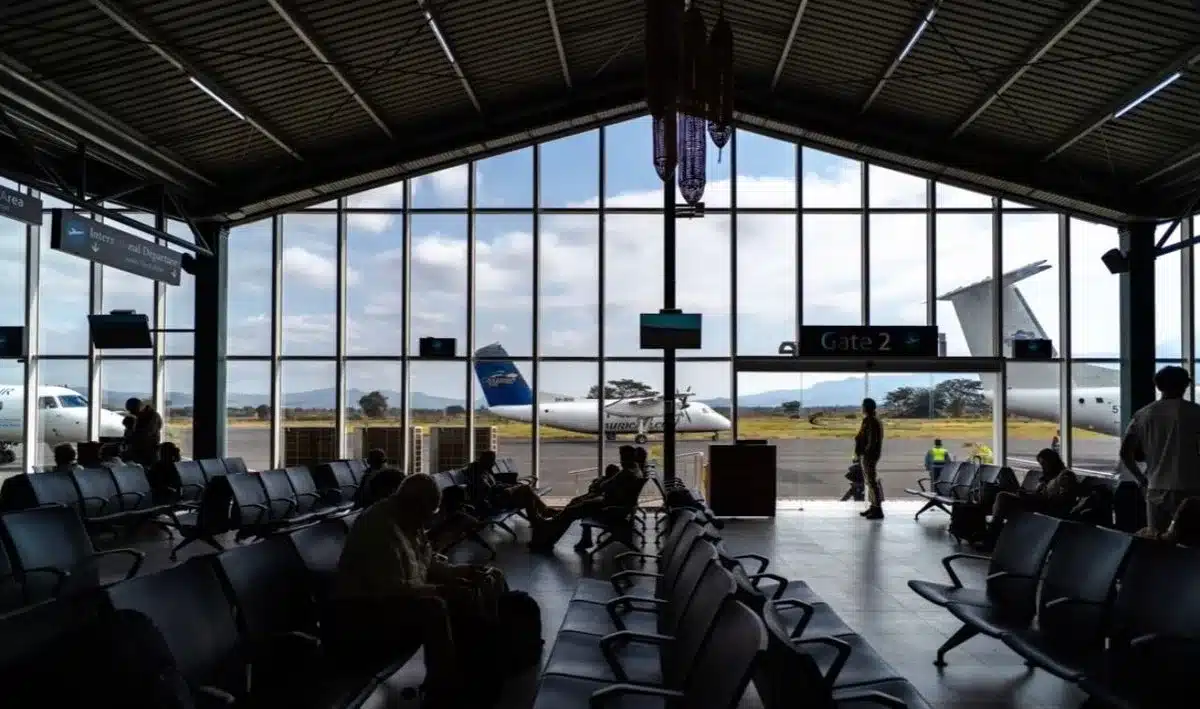
The Upgrade That Made It Happen
The TAA poured 11 billion Tanzanian shillings (around €3.3 million) into the project. Here’s what actually changed on the ground:
- Runway extended to 1,860 metres — now big enough for larger regional jets.
- Full landing and taxiway lighting installed → 24-hour operations (starting late 2025/early 2026).
- Brand-new terminal with immigration & customs desks, security systems, a duty-free restaurant, and car-rental counters.
- New apron and parking areas — passenger capacity jumped from ~150 to 1,000 at a time.
- Elevation remains 4,567 ft (1,392 m), so no dramatic altitude issues for light aircraft.
The result? Arusha is now officially an international entry/exit point. You clear customs right there instead of driving an extra hour from JRO.
 VIP Lounges at ARK
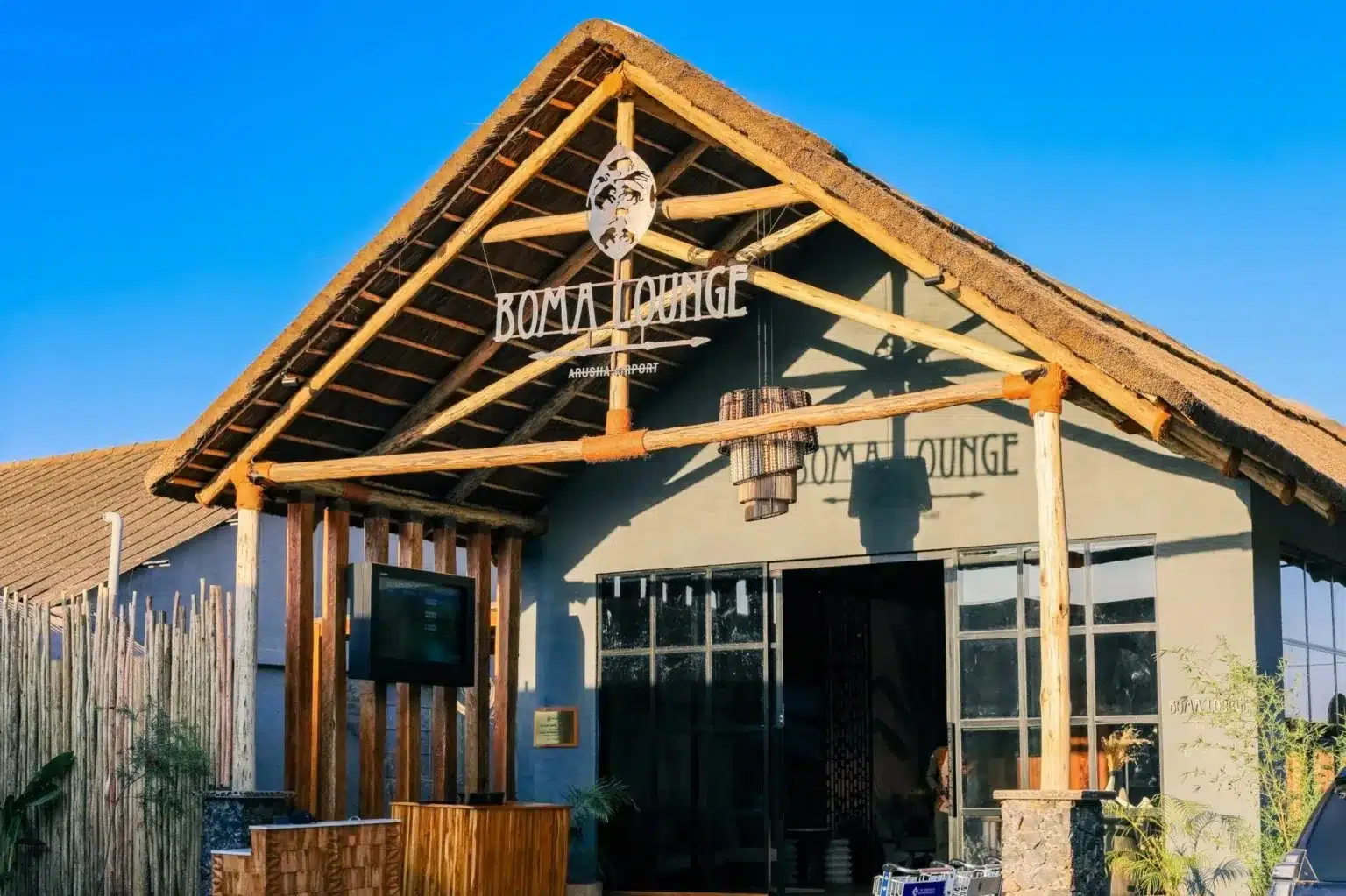
Arusha Airport (ARK) features the Boma Lounge and Kilimeru Lounge, offering premium, air-conditioned spaces with comfortable seating, Wi-Fi, and refreshments before flights. The Kilimeru Lounge provides hot buffets, showers, and business facilities, operating roughly 6 AM–6 PM. Access is available for purchase ($39+).
 Key Lounge Details:
- Boma Lounge: A new, full-service VIP lounge with a traditional theme, offering premium comfort, high-speed Wi-Fi, light bites, and a luxury retail experience.
- Kilimeru Lounge: Located in the main terminal, this lounge provides a quiet space, a complimentary hot buffet, snacks, soft drinks, and showers.
- Access: Passes can be purchased via LoungePair for the Kilimeru Lounge, starting at approximately $39 USD per person. Children under 5 are admitted free.
- Operating Hours: The Kilimeru Lounge is open Monday to Thursday, from 6 AM to 6 PM.
- Location: Both lounges are situated within the Arusha Airport (ARK) terminal.
Current Flights
While we’re still waiting for the first direct flights from Europe or the Middle East (talks with Emirates, Qatar, KLM and Ethiopian are ongoing), the airport is already handling proper international traffic:
International Routes
- Nairobi (Wilson Airport WIL & Jomo Kenyatta NBO), Kenya
Airlines: Safarilink, AirKenya, Flightlink
Duration: ~1 hour 10 minutes (Wilson) / ~2 hrs 20 mins (JKIA)
Frequency: Multiple daily and weekly flights
Domestic & Bush Routes (the real lifeline for safari travellers)
- Coastal Aviation, Precision Air, Regional Air, ZanAir, Air Tanzania, As Salaam Air, Tropical Air
Destinations: Dar es Salaam, Zanzibar, Seronera (Serengeti), Manyara, Tarangire, Ruaha, Selous, Mwanza, and more.
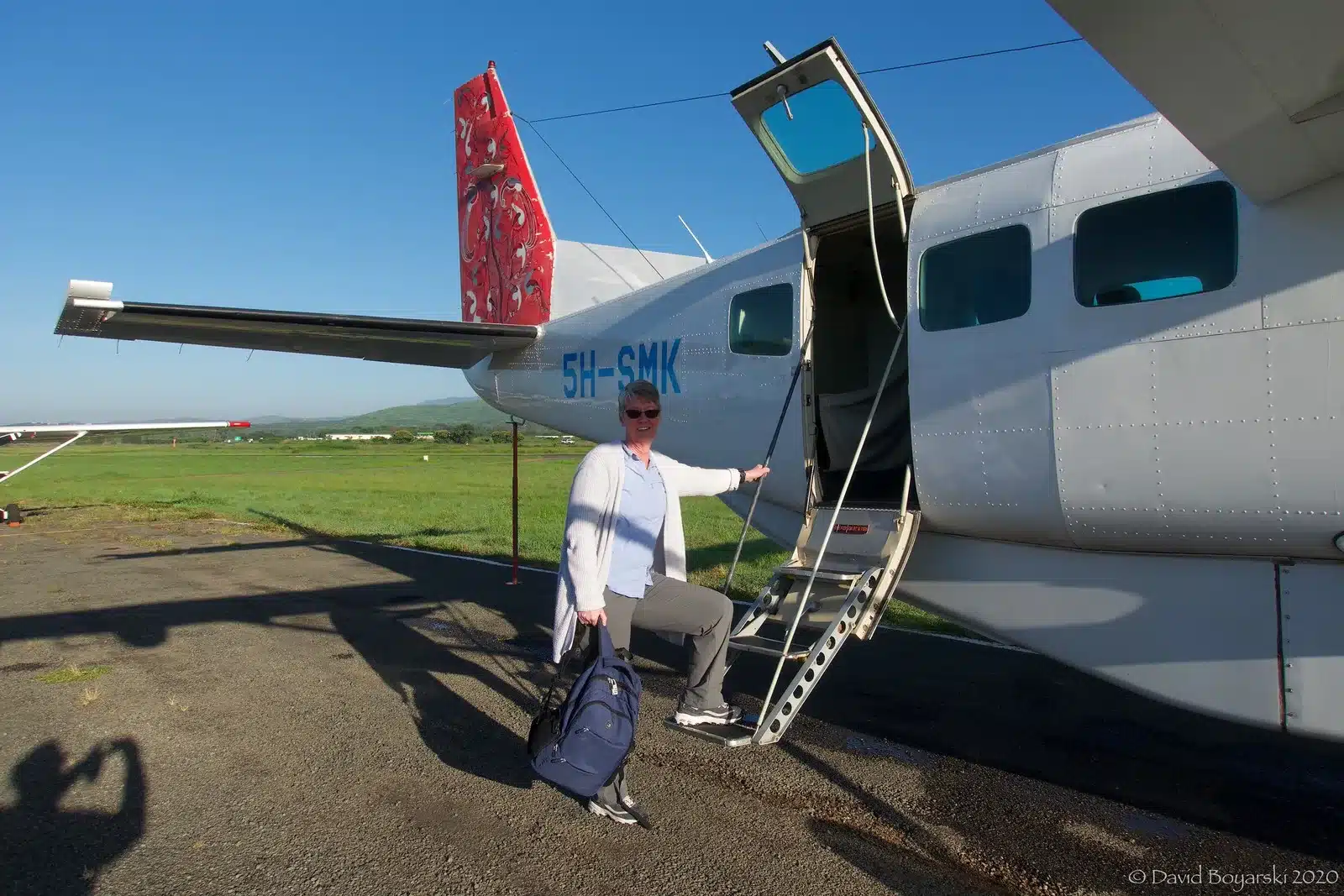 These short-hop flights on Cessna Caravans, ATR 42/72s and small jets are what make Arusha so powerful — you can literally land from Nairobi or Dar, clear immigration, and be airborne again for Serengeti in under an hour.
How Arusha Airport Now Connects You Straight to the Iconic Parks
This is where the upgrade becomes magical for safari-goers.
- Serengeti National Park
Road: 330–350 km, 6–8 hours (beautiful but long).
Flight from ARK: 45–60 minutes direct to Seronera, Kogatende, Grumeti or Ndutu airstrips (depending on migration season).
New reality: Land in Arusha at 10 am → bush flight at 11 am → game drive by lunchtime. - Ngorongoro Crater
Road: ~3–3.5 hours.
Many operators now offer quick transfers from ARK instead of JRO. - Lake Manyara & Tarangire
Road: 1.5–2.5 hours.
Or direct flights with Coastal Aviation in 20–40 minutes. - Arusha National Park & Mount Meru
Literally 30–45 minutes by road from the airport.
Compare that to the old way: Land at JRO (50–55 km / 1–1.5 hrs to Arusha city), then another transfer. The time and hassle saved is enormous — especially if you’re on a tight 7–10 day safari itinerary.
 What This Means for Tourism & Real Travellers
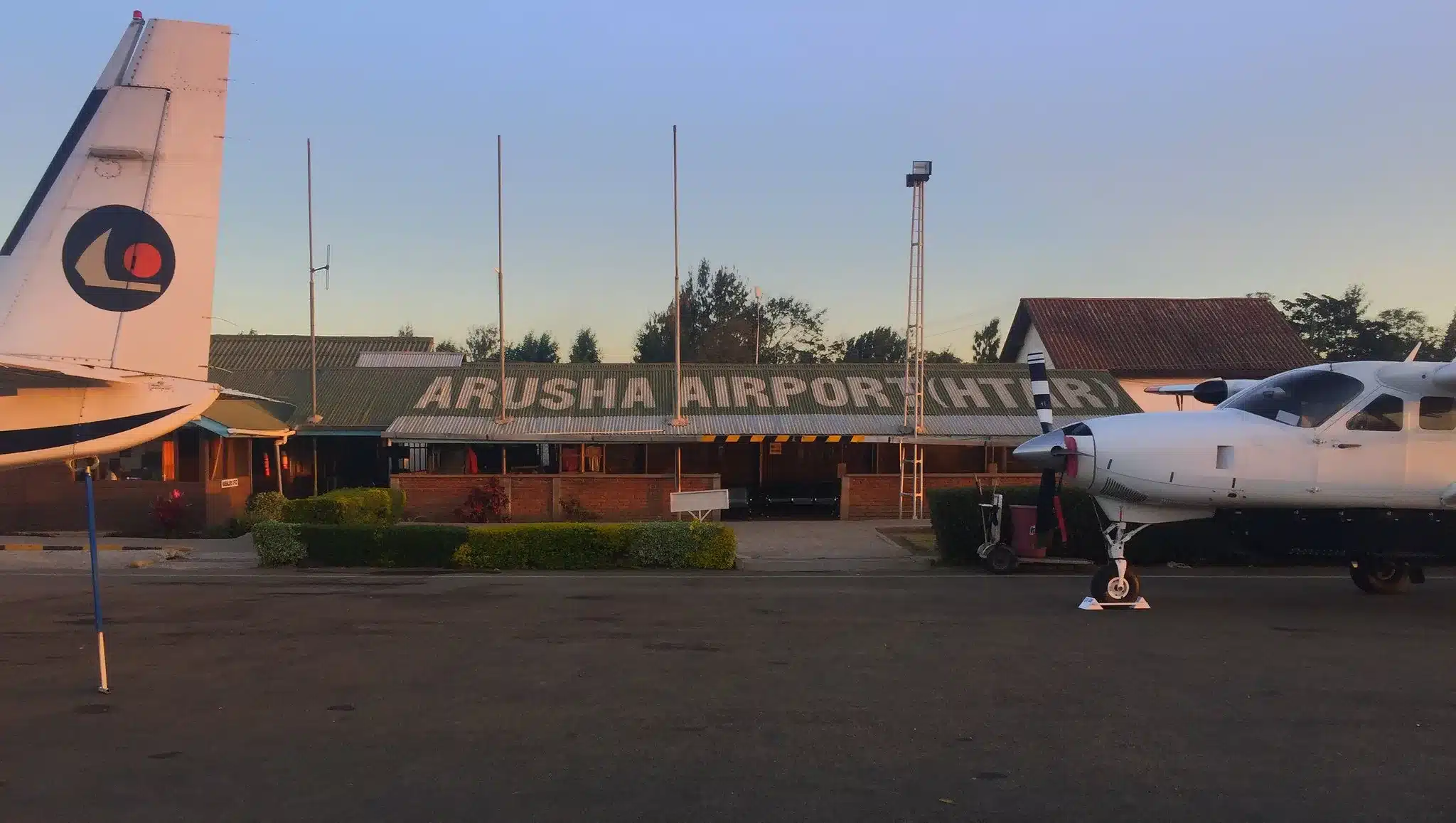
Arusha has always been the logical base for the Northern Circuit, but the extra JRO hop made it feel like a detour. Now it’s the front door. Tour operators, lodges (including Planet Lodge group), and hotels in town are already seeing the difference. More flexible itineraries, easier same-day connections, and the ability to combine Kenya’s Maasai Mara with Tanzania’s Serengeti in a single seamless trip via the new Nairobi–Arusha flights. For you as a traveller, expect:
- Modern terminal with proper international facilities
- Quick 10–15 minute taxi or hotel shuttle into town
- Smooth immigration (still growing pains, but improving fast)
- Easier access to cultural stops — Maasai villages, coffee tours, or a night in Arusha before your safari
A Quick History of Arusha Airport
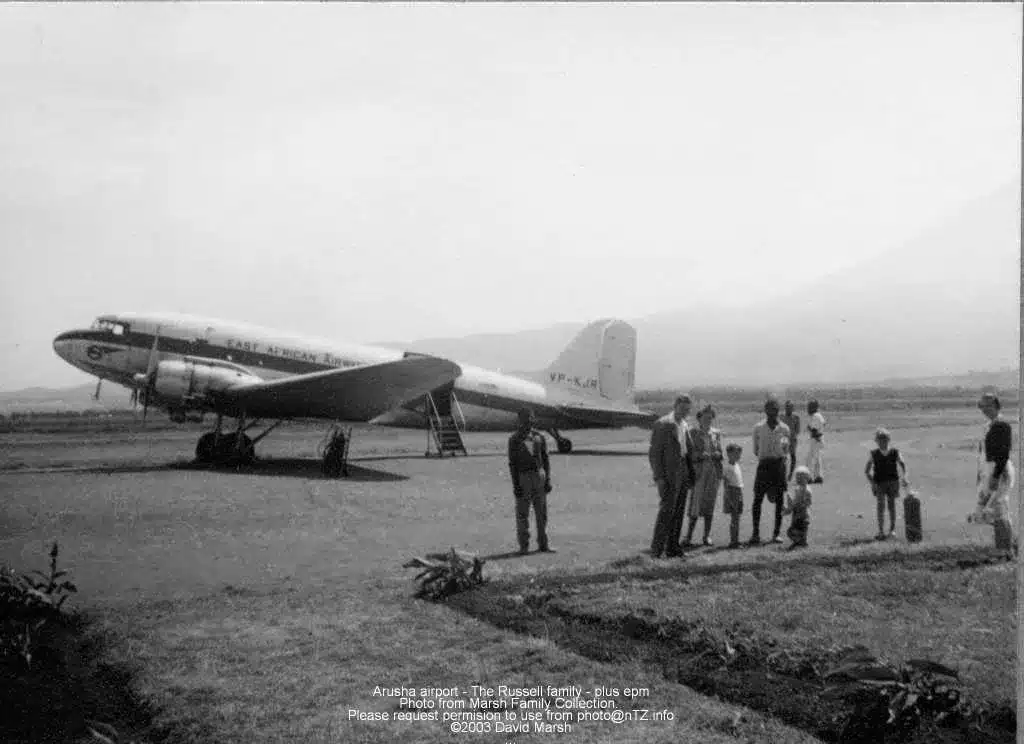
The story starts back in 1953–1956 when a British farmer named Colonel Grey built a basic airstrip on his coffee and sorghum land in Olasiti ward. After independence in 1961, it came under government control, and by 1999, the Tanzania Airports Authority (TAA) took over. For decades, it stayed purely domestic — linking Arusha to Dar es Salaam, Zanzibar, and the bush airstrips inside Serengeti, Manyara, and Tarangire. That all shifted dramatically in June 2025 when Regional Commissioner Paul Christian Makonda and the TAA announced the completion of a major overhaul. The trigger? President Samia Suluhu Hassan’s Royal Tour documentary put Tanzania firmly on the global map, plus the realisation that Arusha — home to the East African Community headquarters — deserved better connectivity.
The Future Looks Even Brighter
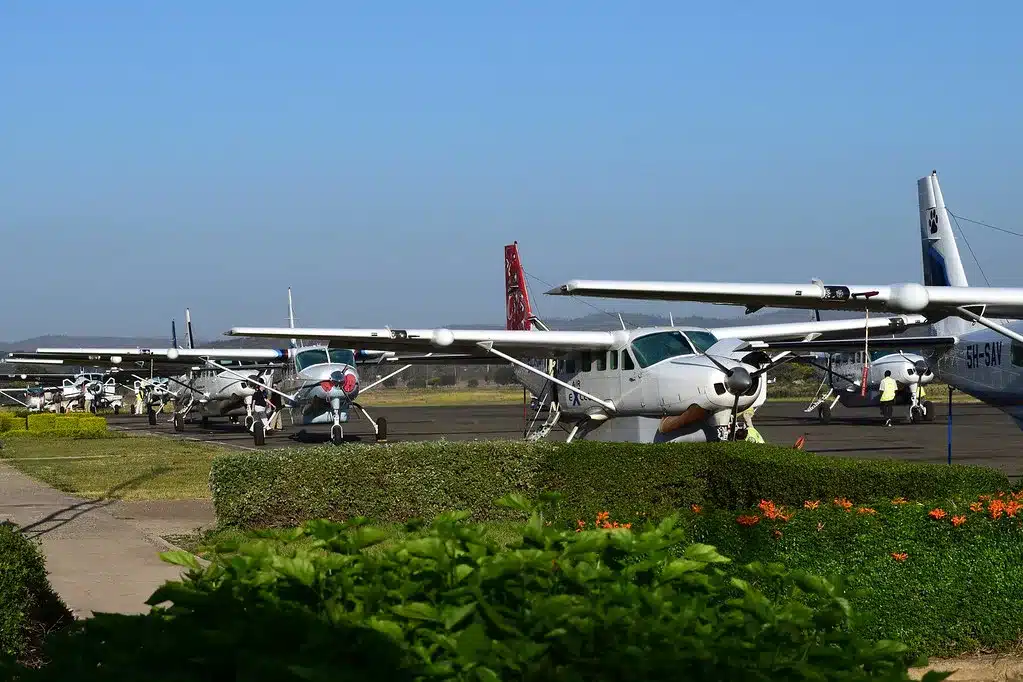 No one is claiming Emirates will land tomorrow, but the infrastructure is ready. With AFCON 2027 on the horizon and Tanzania’s tourism numbers climbing, the pressure is on to attract those long-haul carriers. In the meantime, the regional connections alone have already made the Northern Circuit more accessible than ever. If you’re planning a Serengeti safari in 2026 or 2027, do yourself a favour — check flights into Arusha first. That extra convenience might just be the difference between an ordinary trip and one you’ll be raving about for years. Safe travels — and may your first glimpse of the endless plains happen sooner than you expected.
- See Kilimanjaro treks starting from Arusha.
- Browse Tanzania safaris starting from Arusha Airport.
- Hotels near Arusha Airport

