
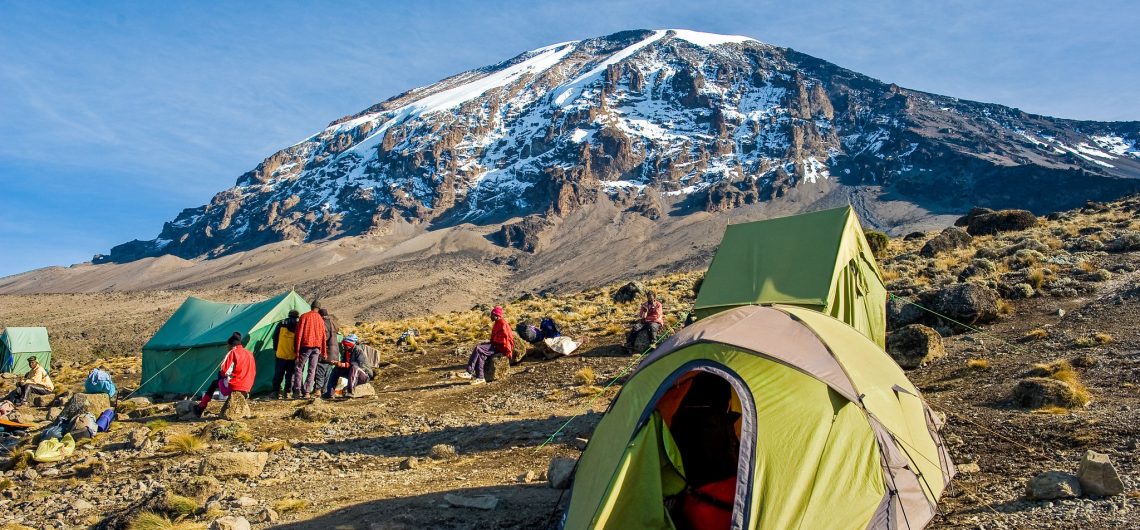
The Whiskey Route nickname for the Machame Route came about as a rival moniker to the Coca-Cola Route of the Marangu Route. Long before we were spoilt for choice, that is, before other new routes like Lemosho and Northern Circuit were even introduced, these two old routes used to be so popular and frequented. The Marangu Route had been baptized a new name because of how easy it was and because there were soda vendors along the route. It was time, Machame also had a nickname, and they gave it the Whiskey Route name in comparison to the easy soda name of Marangu. So this was the logic: if Coca-Cola is easy, what is tougher, harder, the total opposite of Coke? Had to be alcohol, not just any light form of Alcohol like beer, no “Whiskey” is the answer. Machame is considered harder than the gently sloped Marangu. And just like that, “The Whiskey Route” was born.
The Machame Route is sometimes referred to as the “Whiskey Route” due to its reputation for being a more challenging climb compared to other routes up Mount Kilimanjaro, such as the Marangu Route, which is sometimes referred to as the “Coca-Cola Route”. The Machame Route is said to be more rugged and demanding, requiring a certain level of physical fitness and endurance.
Read more about the Coca-Cola Route here.
There are a few theories about how the Machame Route earned its nickname. One theory is that it’s because the route is more scenic and adventurous, much like enjoying a glass of whiskey. Another theory is that the route is more demanding and requires more mental toughness, much like drinking whiskey. Regardless of the origin of the nickname, the Machame Route remains a popular choice for adventurous climbers looking for a challenge.
Book our 6 & 7 Day Whiskey Route Packages
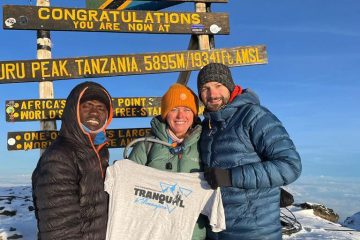
7 days Machame Route Itinerary
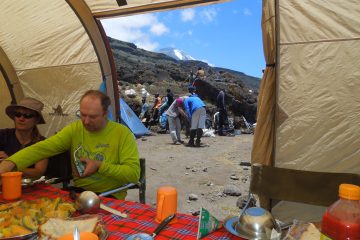
6 days Machame Route
Why is the Machame Route so popular?
Machame route is one of the most popular routes for climbing Mount Kilimanjaro. There are several reasons why this route is so popular:
- Scenic beauty: The Machame route is known for its stunning scenery. Climbers pass through different vegetation zones, including rainforest, heath, and moorland. The route also offers panoramic views of the surrounding landscape, including the Shira Plateau, Barranco Wall, and Uhuru Peak.
- High success rate: The Machame route has a high success rate of around 85%. This is because the route allows climbers enough time to acclimatise to the altitude, which reduces the chances of altitude sickness.
- Varied terrain: The Machame route is known for its varied terrain, which makes the climb more interesting and challenging. Climbers will encounter steep ascents, rocky trails, and boulder fields, which require a combination of physical and mental endurance.
- Flexibility: The achame route can be completed in 6-7 days, making it a flexible option for climbers who may not have a lot of time to spend on the mountain.
- Availability of campsites: The Machame route has several campsites along the way, which means climbers do not have to carry their camping gear. This makes the climb less strenuous and allows climbers to focus on the climb itself.
Overall, the Machame route is a great choice for climbers who want a challenging but rewarding climb up Mount Kilimanjaro.
Ascend Mount Kilimanjaro, Africa’s highest peak, by taking on the famed and beautiful “Whiskey Route,” also known as the Machame Route. This climb is well-known for its beautiful scenery, challenging terrain, and greater success rates, making it a great option for climbers seeking a challenging yet fulfilling experience on the Roof of Africa.
Starting on Mount Kilimanjaro’s southwest flank and travelling around its southern circle before reaching the summit, the Machame Route usually takes 6 to 7 days to complete. The route’s difficult terrain and variety of altitudes offer great acclimatisation chances, which helps climbers who are trying to summit Uhuru Peak have a better success rate.
Browse all the routes offered by Tranquil Kilimanjaro
Can you drink Whisky or any form of Alcohol on Mount Kilimanjaro?
Whiskey has its own nickname on the mountain—the Machame Route is famously called the “Whisky Route” precisely because it’s seen as tougher and more “hardcore” than the Coca-Cola Route. But that doesn’t mean actual whisky is flowing on the trail. Far from it.Official Rules: Alcohol is Banned in Kilimanjaro National Park. According to Tanzania National Parks Authority (TANAPA) regulations and multiple reputable climbing operators:
- Alcohol (including beer, wine, spirits like whiskey) is prohibited inside Kilimanjaro National Park.
- You cannot buy, sell, or openly consume it anywhere on the mountain.
- Carrying alcohol in your luggage or having porters/guides transport it is not allowed—guides and porters themselves are explicitly forbidden from consuming alcohol during the entire climb period (as per the National Parks Mountain Regulations).
- The ban starts once you pass through the gate (Marangu, Machame, etc.) and enter the park proper.
This is enforced for practical reasons: safety, environmental protection, and reducing risks in a high-altitude environment where mistakes can be serious. Some operators state it bluntly in their packing lists: “Please do not bring alcohol. It is illegal to have alcohol in the park. Our staff will not carry it for you.
“Why the Strict Ban? (Health & Altitude Reasons)
Even without the rules, drinking whiskey (or any booze) on Kilimanjaro is strongly discouraged by doctors, high-altitude medicine experts, and pretty much every experienced guide. Here’s why:
- Dehydration — Alcohol is a diuretic. At altitude, you’re already losing massive amounts of fluid through breathing (dry, cold air) and increased urination from acclimatisation. You need to drink 4–6 liters of water/electrolytes per day. Whiskey makes that much harder.
- Worsened Altitude Sickness (AMS) — Alcohol impairs your body’s ability to acclimatise. It depresses breathing rate slightly, reduces oxygen uptake, and makes Acute Mountain Sickness symptoms (headache, nausea, fatigue) hit harder and faster. Many sources note it can mask early warning signs of serious issues like HAPE or HACE.
- Impaired Judgment & Coordination — The thin air already slows reaction times and clouds thinking. Add whiskey and you’re asking for slips on scree slopes, poor decisions during summit night, or trouble in bad weather.
- Sleep Disruption — Altitude already messes with sleep (periodic breathing, frequent waking). Alcohol fragments sleep even more, leaving you exhausted for the push.
The U.S. CDC and high-altitude guidelines recommend avoiding alcohol for at least the first 48 hours at altitude—and on Kilimanjaro, you’re spending 5–9 days gaining serious elevation. Bottom line: Your body is working overtime just to keep oxygenated blood flowing to your brain and muscles. Adding a toxin like ethanol is like asking your engine to run while someone pours sand in the fuel line.
Real-World Reality: Does Anyone Sneak It Anyway?
Yes, some people try.
- A few groups have been known to stash a small bottle (often whisky or rum) for a “summit celebration” sip at the top or on descent.
- Occasional stories float around forums/Reddit of people passing around a flask after summiting, or guides quietly allowing a tiny celebratory drink at lower camps (very rare and unofficial).
- On the Machame (“Whisky”) Route especially, some macho trekkers bring beer to prove toughness—though most operators shut that down quickly.
But enforcement has tightened. Rangers do occasional bag checks at gates or camps. If caught, you risk fines, being turned back, or your whole group getting in trouble. Guides hate it because it jeopardises their licenses and reputations. Most climbers who succeed treat the mountain with respect—no booze until you’re back at the gate.
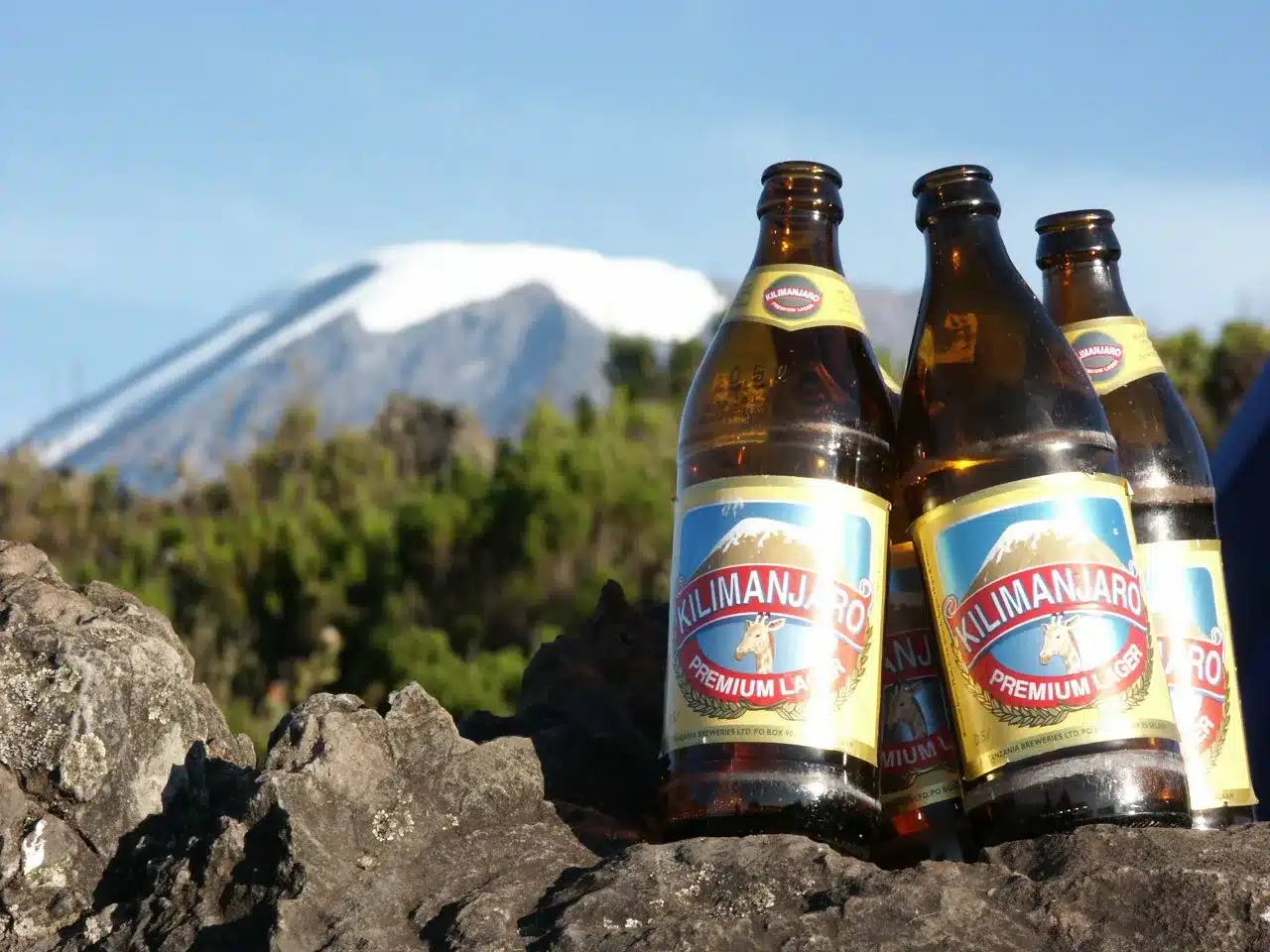
The Good News: You Can Drink Plenty… Just Not on the Mountain
- Before the climb — Enjoy beers, cocktails, or a dram of whiskey in Moshi, Arusha, or Marangu the night(s) before. Many people have a celebratory drink the evening before gate entry.
- After the climb — The moment you exit the gate on descent day, the ban lifts. Cold beers (Kilimanjaro Lager is the classic) are sold right at the gate or in nearby bars. Many groups do a group toast immediately after getting certificates. Then head to town for proper celebrations—whiskey included.
- Some operators even mention a “grey area” where a single celebratory beer is tolerated right at the exit gate after summiting.
So if you’re dreaming of cracking open a bottle of single malt at Uhuru Peak… save it for the bar in Moshi. You’ll enjoy it infinitely more with oxygen-rich blood and functioning legs.
Quick Summary Table
| Scenario | Allowed? | Why / Notes |
|---|---|---|
| Drinking whiskey on the trail/huts | No – prohibited | TANAPA rules + health risks at altitude |
| Sneaking a flask for summit sip | Technically illegal, very risky | Can lead to issues with rangers/guides; not worth it |
| Drinking before the trek starts | Yes | Go for it in town/hotels |
| Celebratory drink at the gate on descent | Yes (usually) | Common tradition – beer is often sold right there |
| During the safari post-climb | Yes | Serengeti/Kilimanjaro beers in camp are perfect |
If you’re planning a climb (Coca-Cola Route or otherwise), focus on hydration, pole pole pacing, and maybe Diamox if your doctor recommends it. Save the whiskey for the victory lap—you’ll have earned it.

