
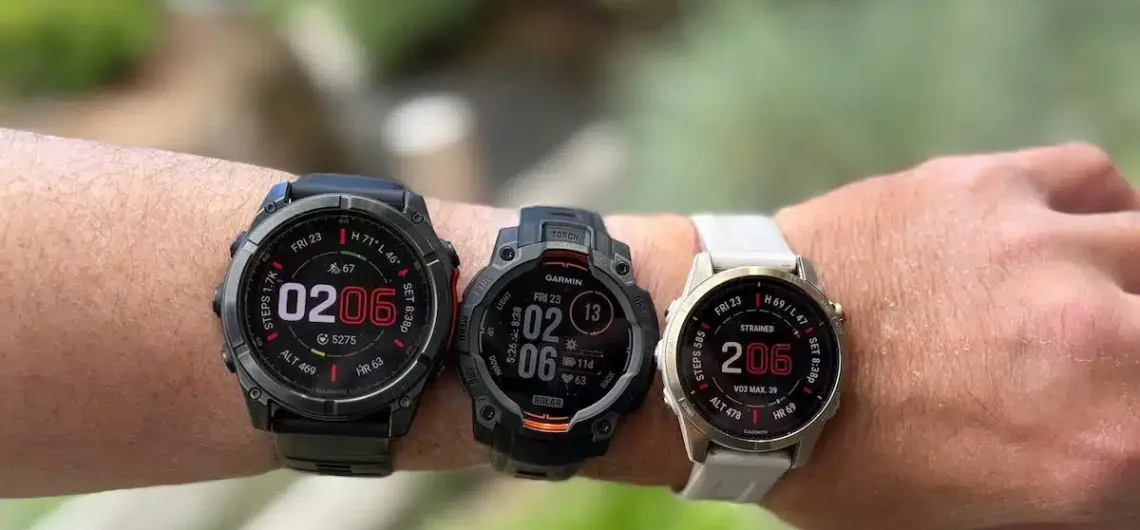
Wondering which smartwatch will serve the purpose while climbing Mount Kilimanjaro, Mount Meru, or Mount Kenya? Watches have evolved over time, from ancient timepieces to the smartwatches we have today. Mount Kilimanjaro isn’t just a hike—it’s a multi-day expedition pushing 5,895 m (19,341 ft), with thin air, unpredictable weather, long summit pushes, and zero guaranteed power outlets for days on end. Altitude sickness (AMS) monitoring, reliable navigation in remote sections, and battery life that survives a full trek without daily charging aren’t nice-to-haves. They’re survival tools. Among the big three—Garmin, Samsung, and Google—there’s a clear winner for serious Kilimanjaro trekking: Garmin. Its rugged GPS watches are purpose-built for expeditions like this, with on-demand SpO₂ checks, multi-week battery life (often solar-extended), military-grade durability, and precise altitude/GPS performance that users on actual Kilimanjaro summits consistently praise.
Samsung and Google excel as everyday smartwatches but fall short on the trail when it matters most. Here’s the expert breakdown based on 2026 testing, real Tranquil Kilimanjaro trekker reports, and hands-on specs.
Why a Smartwatch Matters on Kilimanjaro
- Altitude monitoring: SpO₂ (blood oxygen) drops at high elevation; on-demand checks help spot AMS early (guides often measure twice daily, but your own data adds reassurance).
- Battery reality: 5–9-day treks with limited charging at huts or camps. GPS tracking all day drains most watches’ batteries quickly.
- Navigation & sensors: Built-in topo maps, altimeter/barometer/compass (ABC), and multi-band GPS for fog, clouds, or off-trail moments.
- Durability: 10 ATM+ water resistance, shock/thermal testing, and a flashlight for pre-dawn summit starts.
- Recovery insights: HRV, sleep, and acclimatisation metrics (without obsessing—some trekkers note stats can add unnecessary stress).
Garmin: Built for Kilimanjaro (and Wins Every Test)
Garmin’s outdoor lineup tops every 2026 hiking-watch roundup for a reason. Models like the Fenix 8, Enduro 3, and Instinct 3 Solar deliver exactly what Kili demands. With features like advanced GPS tracking, long battery life, and rugged, durable designs, these watches are built to withstand the toughest conditions on the mountain. Whether you’re navigating tricky trails, monitoring your altitude, or staying connected with friends and family back home, Garmin’s hiking watches have got you covered. So, if you’re planning to conquer Kili or any other challenging outdoor adventure, investing in a Garmin watch is definitely worth it.
Top Pick: Garmin Fenix 8 (51 mm AMOLED or Solar)
Premium multisport beast with preloaded TopoActive maps, dynamic round-trip routing, multi-band GPS, ABC sensors, and optional Outdoor Maps+ (satellite imagery, campsites, national parks). Up to 29 days smartwatch mode (48 days solar). Built-in LED flashlight, leakproof buttons, and targeted training plans. On-demand SpO₂ anytime (no sleep-only restrictions). Users on Kilimanjaro report flawless altitude/GPS accuracy, and consistent pulse ox readings—even at Uhuru Peak.
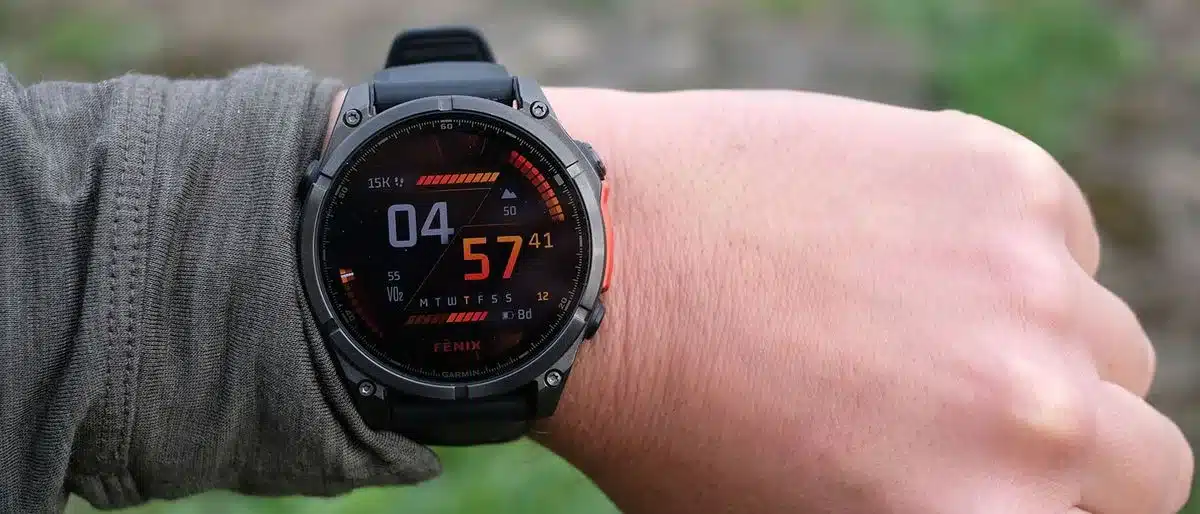 Enduro 3 – The battery monster for ultra-endurance trekkers
Lightweight titanium build, up to 320 hours of GPS with solar charging. Same mapping and sensors as Fenix, but optimised for days without sun or power. Perfect if you’re pushing long stages or want max margin.
Instinct 3 Solar – Rugged value king
Unlimited battery with solar in smartwatch mode, MIL-STD-810 thermal/shock/water resistance, ABC sensors, flashlight. No full-colour maps on the base model, but rock-solid tracking and navigation. Ideal for budget-conscious trekkers who still want expedition reliability.
Real Kili feedback: Trekkers using Fenix/Epix Pro or similar report spot-on GPS, altitude data, daily SpO₂/HRV/sleep stats, and no mid-trek charging panic. One summit pair called it “everything worked correctly.” The only downside noted: stats can stress you out—some preferred “blissful ignorance” or just checking in the morning/evening, like the guides. Garmin Connect app syncs everything beautifully (works with Android/iOS). Pair with an inReach Mini 2 or Messenger Plus for satellite SOS/texting—a game-changer when cell signal vanishes.
Samsung Galaxy Watches: Solid Daily Drivers, Weak for Expeditions
The Galaxy Watch 8 and rugged Galaxy Watch Ultra shine for notifications, AI coaching, and seamless Galaxy phone integration. Bright AMOLED screens, BioActive sensor for SpO₂, HR, and ECG. But on Kili?
- Battery: 2–4 days real-world (Ultra claims higher, but GPS + altitude tracking kills it faster). Charging every night or every other night isn’t feasible on a full trek.
- SpO₂: On-demand measurements are available, but advanced health features (including some oxygen/sleep monitoring) are subject to regulatory restrictions by country and market. Newer models have drawn user complaints about limited manual checks in certain regions—relevant if you’re travelling or in Tanzania.
- Ruggedness & GPS: Ultra is tough (titanium, 10 ATM), but it lacks multi-band precision and full topo maps like Garmin. Offline maps are limited.
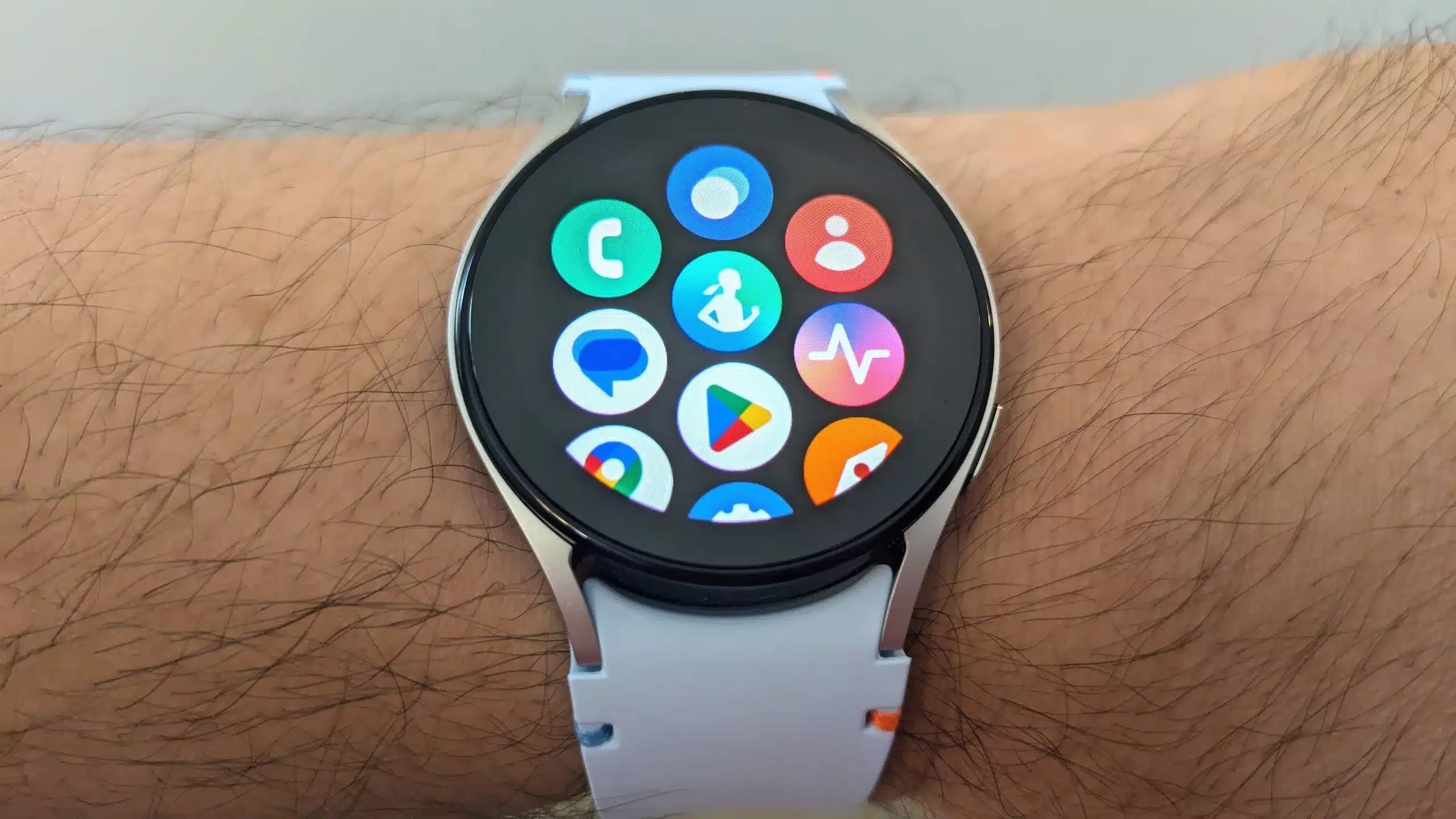 Fine for a day hike on Kilimanjaro or basecamp, but not the watch you trust for 7+ days above 4,000 m.
Google Pixel Watch 3/4: Stylish & Improved, Still Not Expedition-Ready
Bigger battery than predecessors (36–48 hours real-world), excellent Fitbit metrics, SpO₂ on-demand, dual-band GPS, offline maps, and now satellite SOS on LTE models.Strengths: Comfortable, bright display, quick GPS lock, solid HR tracking.
Weaknesses for Kilimanjaro:
- Battery still requires near-daily charging with GPS use—nowhere near Garmin’s week-plus endurance.
- Only 5 ATM water resistance and no solar option.
- No rugged expedition features (ABC sensors are basic; no military testing or flashlight).
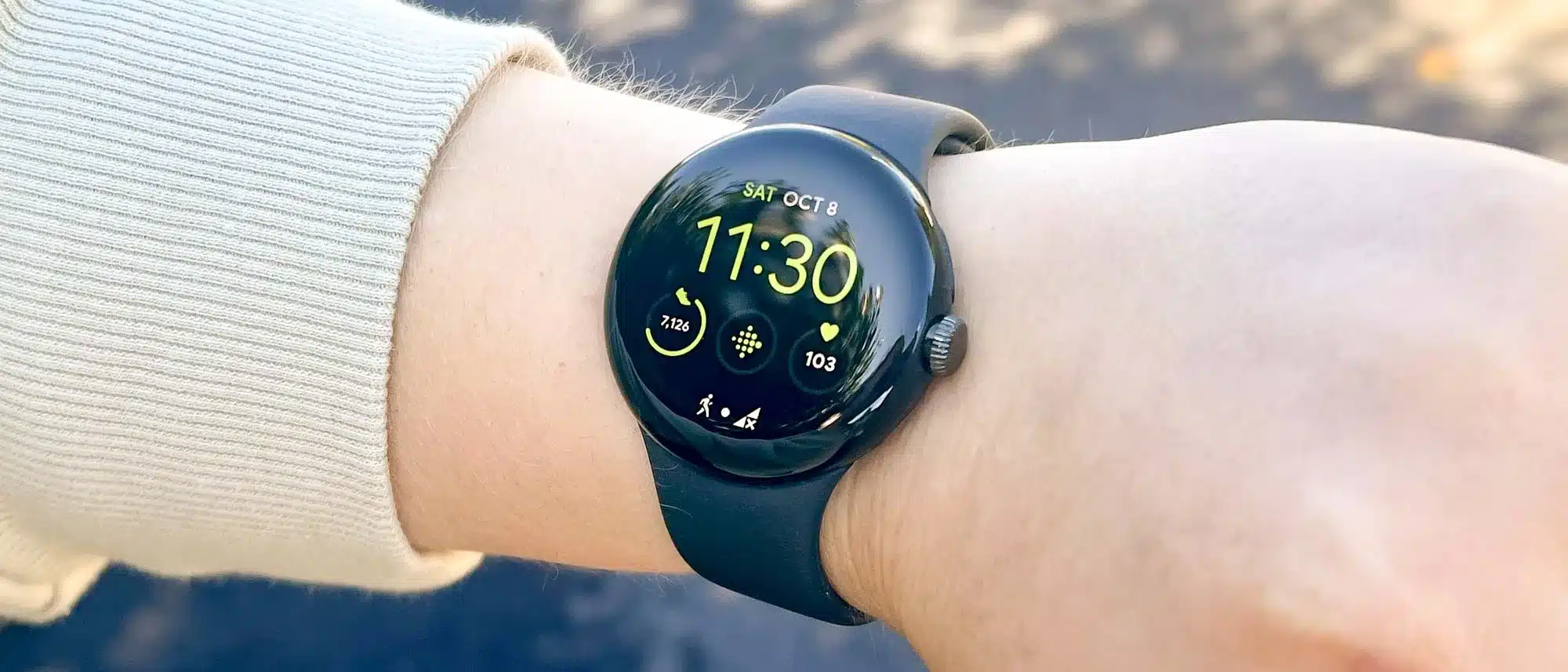 Great for casual Android users or shorter adventures, but you’ll be hunting power outlets on the mountain.
Quick Buying Guide for Kili Trekkers
A comparison of Garmin Fenix 8 Solar, Enduro 3, Instinct 3 Solar, Samsung, and Google smartwatches highlights their features and benefits for Kilimanjaro trekkers. Tips for maximising GPS watch battery life include enabling battery saver mode and using essential functions. Testing SpO₂ levels at home and during training hikes is crucial for preparing for high-altitude challenges. Utilising a GPS watch as a practical tool is emphasised over obsessively tracking stats. Finally, recommendations for pairing Garmin watches with Samsung or Google devices enhance the trekking experience on Mount Kilimanjaro.
- Best overall: Garmin Fenix 8 Solar (premium maps + battery).
- Best value/endurance: Enduro 3 or Instinct 3 Solar.
- If you must stay Samsung/Google: Only for lighter use or as a secondary watch—pair with a Garmin for the trek.
- Pro tip: Enable battery saver + multi-GNSS only when needed. Test SpO₂ at home and on training hikes. Ignore obsessive stats—use the watch as a tool, not a doctor.
Final Verdict: For trekking Mount Kilimanjaro, Garmin (Fenix 8 or Enduro 3) is the undisputed champion. It delivers the battery life, on-demand SpO₂, rugged accuracy, and mapping that Samsung and Google simply can’t match on a serious multi-day high-altitude expedition. Real trekkers on Kili confirm it works when it counts. Your watch won’t replace a good guide, proper acclimatisation, or an inReach communicator—but the right one (Garmin) gives you data, safety, and confidence that makes the Roof of Africa experience even better. Go slow and steady (Pole pole). Train hard. Charge once. Summit strong. What’s your current watch, and are you team Garmin yet? Contact us for a trek on Kilimanjaro; we listen, and we care. Safe climbs!
- How to charge your devices (phones, camera) for Kilimanjaro
- Taking your photos and selfies at Uhuru Peak with your phone, GoPro and selfie sticks
- 10 tips for taking great hiking photos on your phone
- Is there phone signal or network coverage on Mount Kilimanjaro?

