
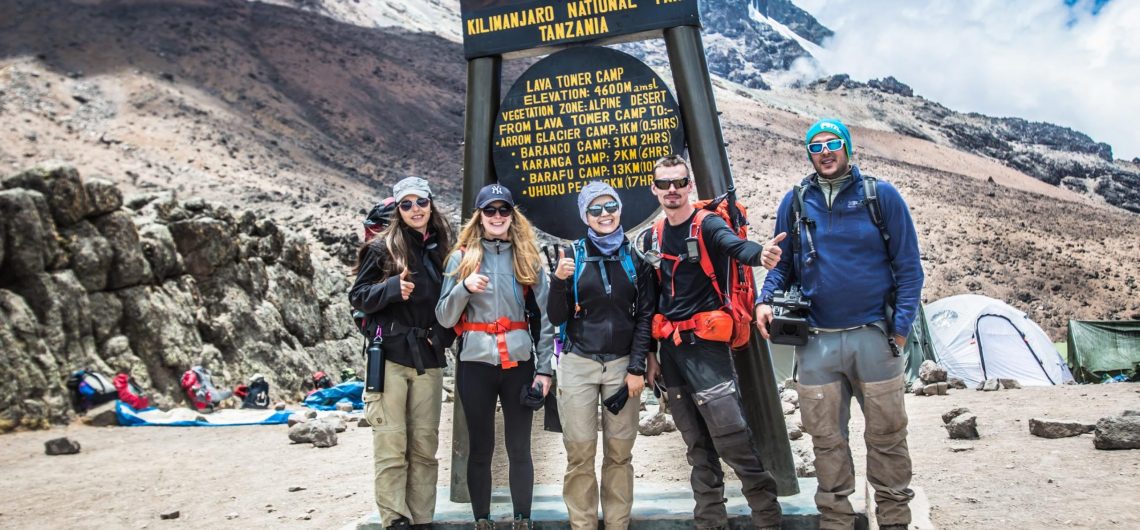
The cost of climbing Mount Kilimanjaro is a question that pops up in one way or another. Actually, it is the deciding factor in most cases, but we feel like safety is always the priority, because after all, the mountain will always be there, but your health and safety come first, and we take it seriously. At the time of writing this cost breakdown, we are almost midway through the year 2026. If you’re scrolling through Kilimanjaro trip ideas right now, you’ve probably noticed the glacier news blowing up. The ice fields have nearly tripled since 2010, tourism is smashing records (almost 69,000 climbers last season alone), and the mountain feels more alive than ever. But one question keeps popping up in every forum and inbox: How much does it actually cost in 2026? After comparison between tranquil Kilimanjaro prices and other operator quotes, TANAPA/KINAPA fee schedules, and real climber reports from early 2026 treks, to give you the most transparent, no-fluff breakdown possible. Spoiler: there’s no single “right” price, but a safe, ethical climb usually lands between $4,000 and $7,000 per person when you add everything up. Let’s walk through exactly where that money goes—so you can budget smart, avoid rookie traps, and choose a trek that matches your goals.
Contact us to discuss your budget and which route would suit you. Our 24/7 customer service WhatsApp number +255747541280 is always online.
1. The Non-Negotiable: Kilimanjaro National Park Fees (2026 Rates)
TANAPA sets these fees for every single climber, and they make up roughly 25–35% of your total package cost. Here’s the current 2026 structure for foreign adults (16+):
| Fee Type | Amount (USD) | How It’s Charged | Example for 7-Day Trek (6 nights) |
|---|---|---|---|
| Conservation/Entry Fee | $70 per person/day | Daily | $490 |
| Camping Fee | $50 per person/night | Per night (most routes) | $300 |
| Hut Fee (Marangu only) | $60 per person/night | Per night | $360 |
| Rescue Fee | $20 one-time | Once per trip | $20 |
| Forest Fee | $10–20 one-time | Once | $15 |
| Crew Entry Fees | ~$2 per crew member | Operator pays | Included in package |
| VAT (18%) | Added to most fees | On subtotal | ~$148 |
| Total Park Fees | ~$820–$1,000 | Per person | ~$973 |
These numbers come straight from current KINAPA schedules. Longer routes (8–9 days on Lemosho or Northern Circuit) push the park-fee total closer to $1,200 because you’re in the park longer. Pro tip: these fees are the same whether you book budget or luxury—your operator just bundles them.
2. Operator Package Prices – What You Actually Pay Upfront
This is the big chunk that covers guides, porters, cooks, tents, meals, water, transport from Moshi/Arusha, and all that park-fee paperwork. 2026 quotes from reputable operators show three clear tiers:
Budget Tier ($1,800–$2,500 for 6–7 days)
- Usually larger groups (8–12+ climbers)
- Basic tents, simpler meals, fewer acclimatization days
- Example: Marangu or Machame 6–7 days starting around $1,799–$2,399 (group of 8+)
Mid-Range / Best-Value Tier ($2,500–$3,600) – This is where 80% of smart climbers land
- Smaller groups (2–6 people), better food, higher-quality gear, extra acclimatization
- Popular 2026 examples:
Premium / Luxury Tier ($3,800–$6,000+)
- Private tents, portable toilets, oxygen systems, gourmet meals, crater camp options
- Some high-end operators quote $5,900–$7,500 for fully private 7–9 day climbs
Group size matters a lot. A private climb for two people can cost 20–30% more per person than joining a group of six. Shoulder seasons (January–mid-March or June) sometimes have small discounts, but peak demand (July–September and December) keeps prices firm.
What our treks actually cost
At Tranquil Kilimanjaro, our Mount Kilimanjaro packages are affordable, and their pricing is reasonable. Please browse below to see our treks for each route, depending on the number of days that you would prefer.
8 days Lemosho Route Itinerary
7 days Machame Route Itinerary
6 Days Marangu Route
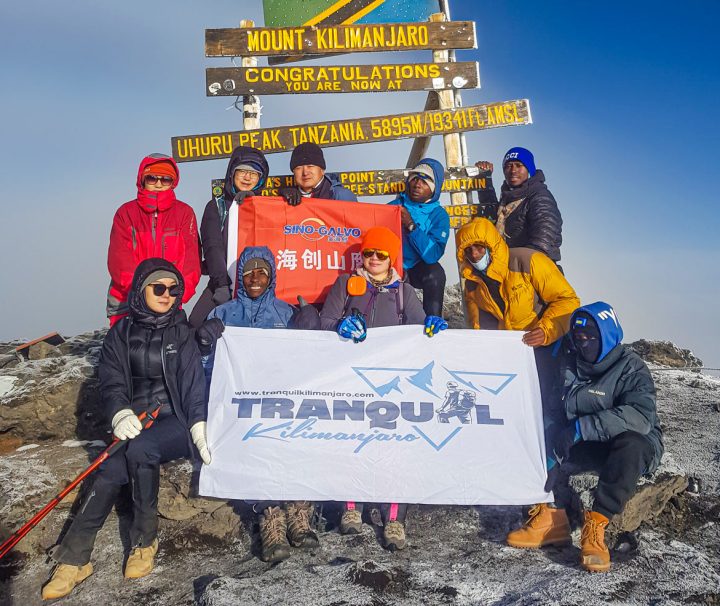
9 days Northern Circuit Route
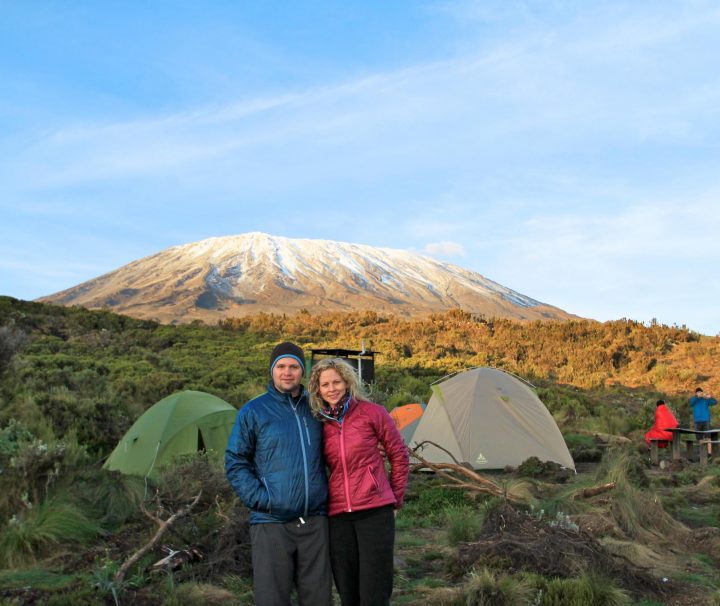
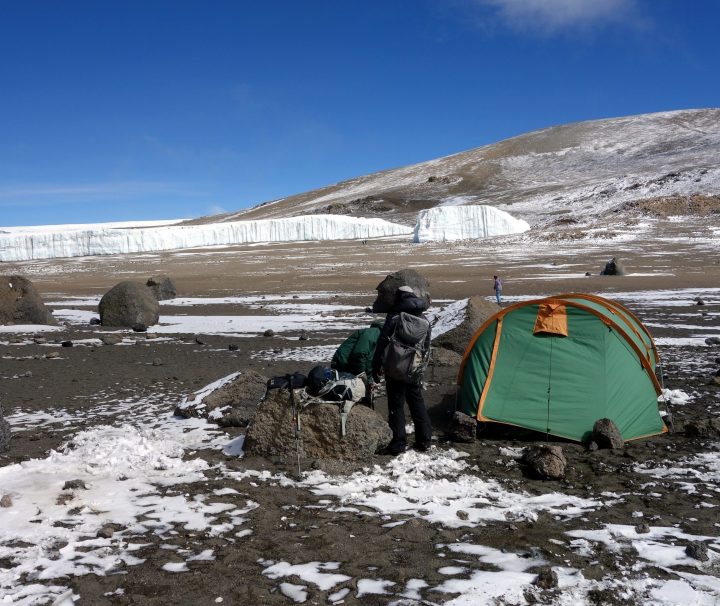
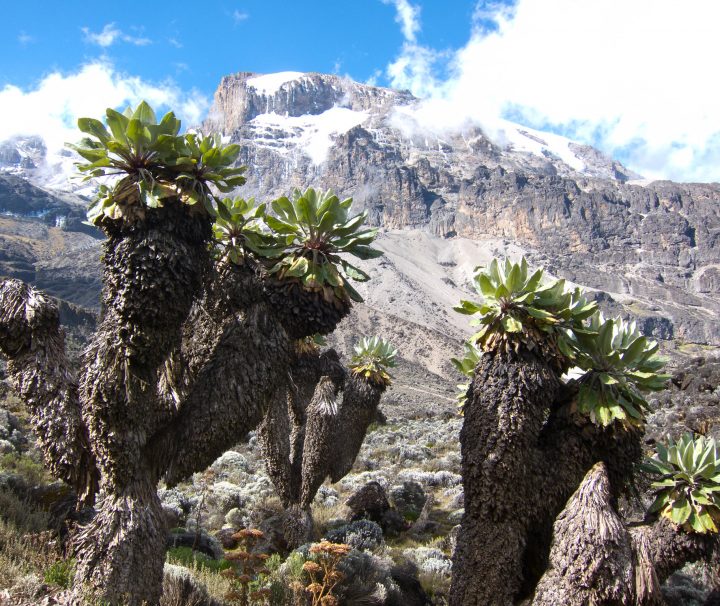
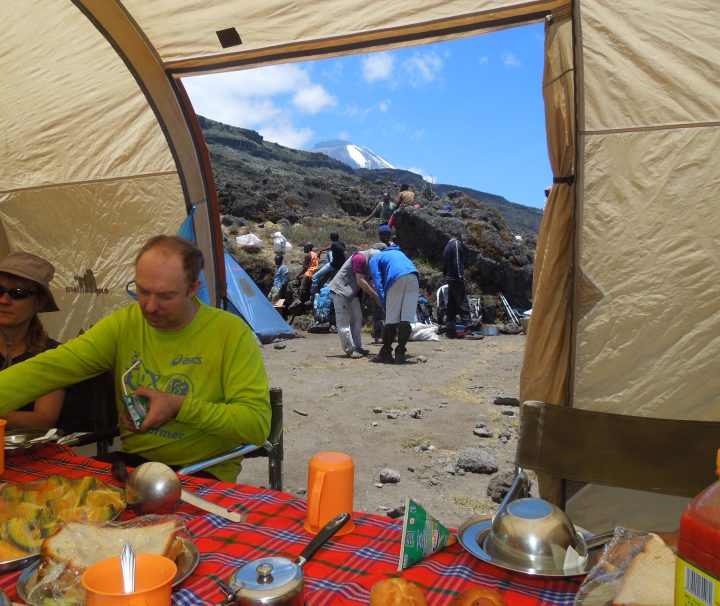
6 days Machame Route
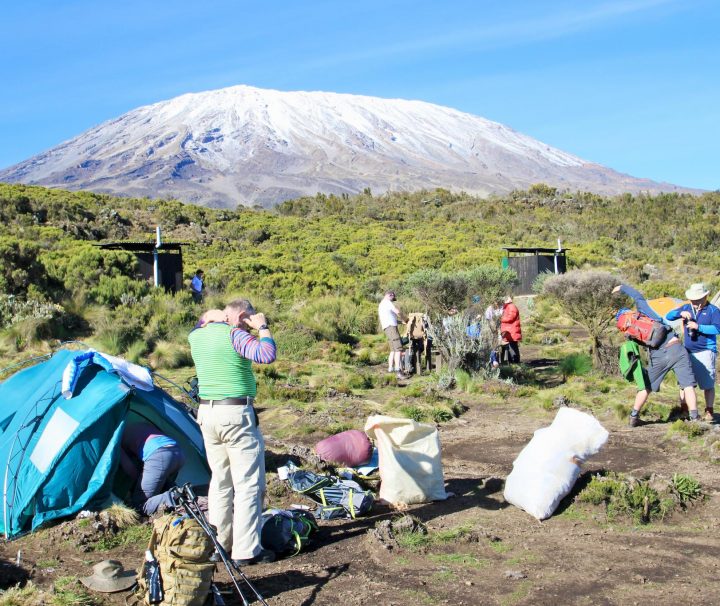
6 Days Rongai Route
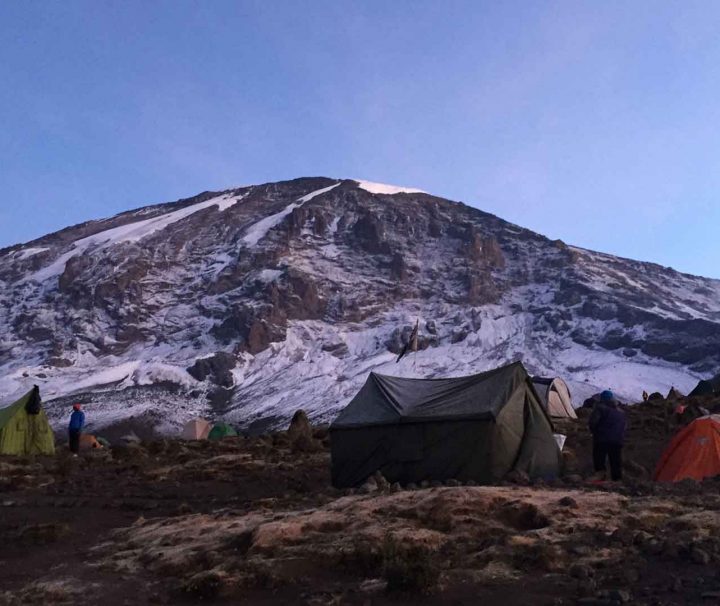
5 Days Marangu Route
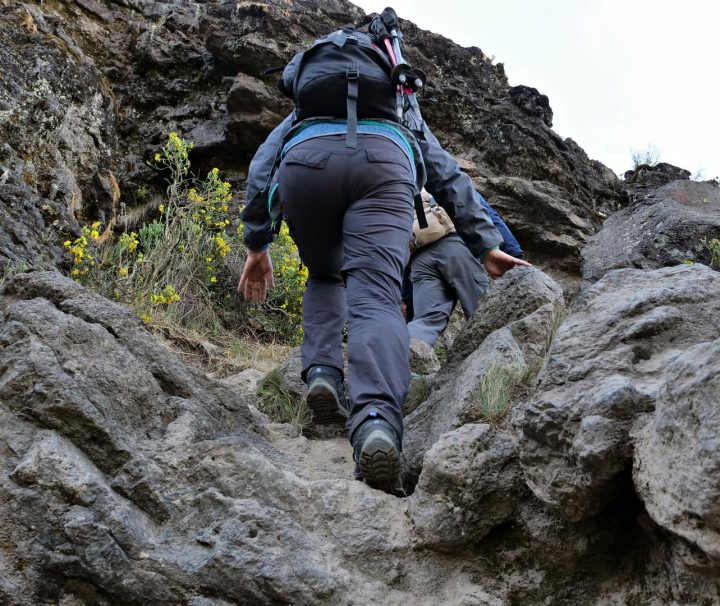
6 Days Umbwe Route
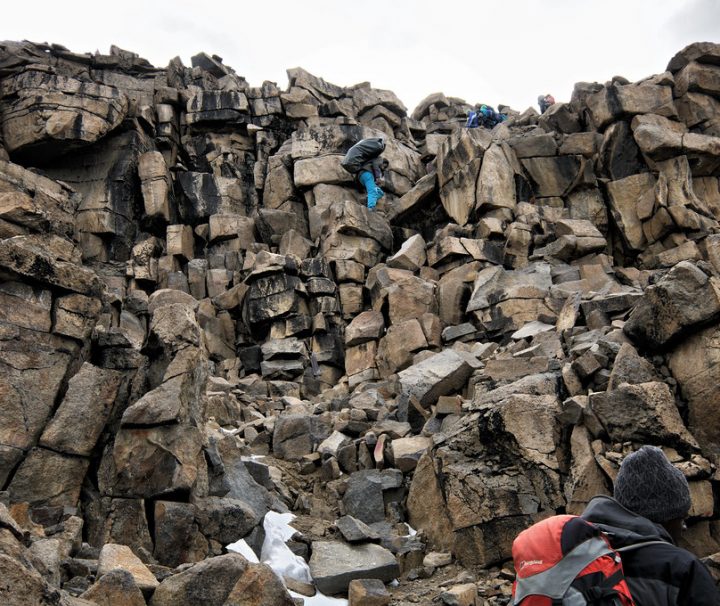
11 Days Western Breach Route
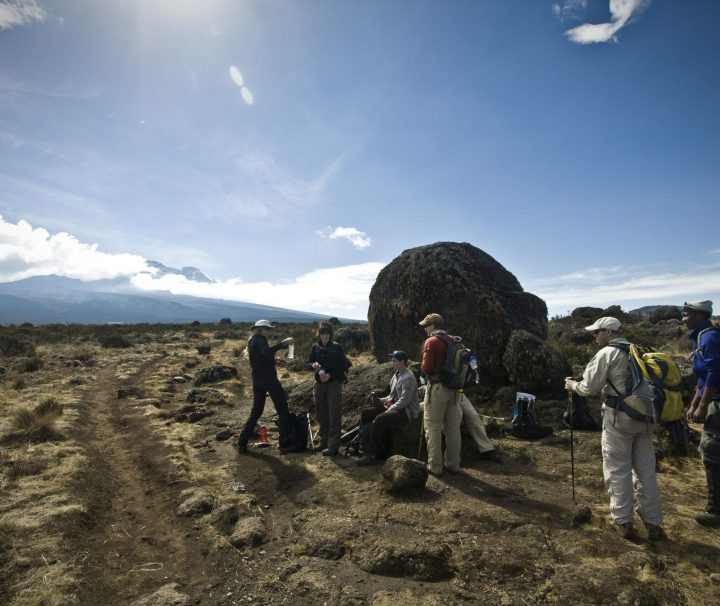
7 Days Shira Route
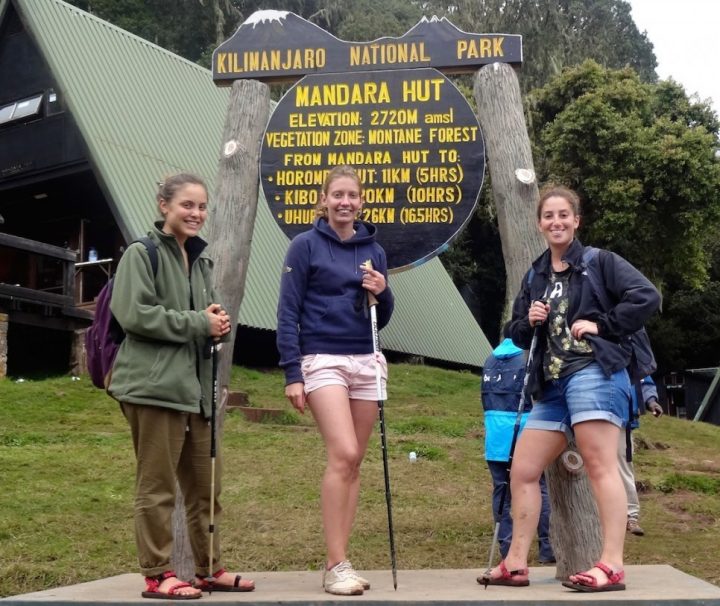
One Day Kilimanjaro Trek to Mandara Hut- Marangu
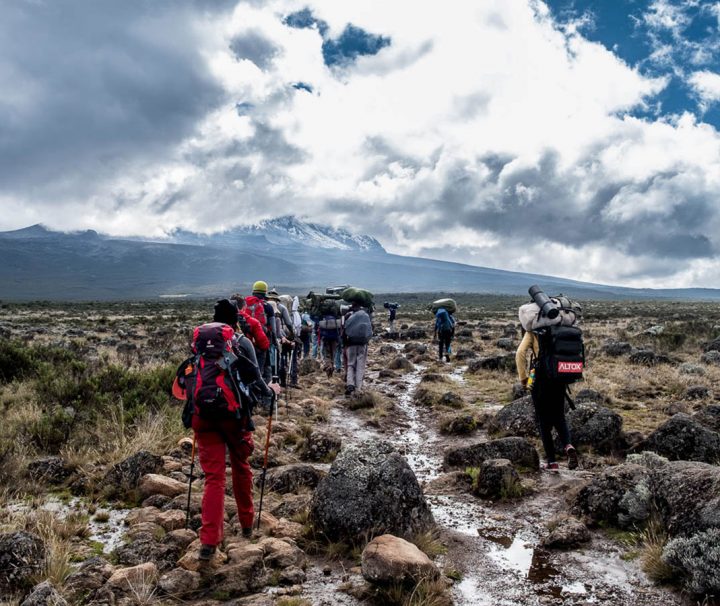
One Day Hike on Kilimanjaro to Shira Plateau
3. The “Hidden” Costs That Add Up Fast
Don’t let the package price fool you—these extras are real:
- Crew Tips (customary and expected): $250–$500 per climber for a 7-day trek. A typical team of 10–14 people (guides, assistant guides, cook, porters) shares this. Ethical operators publish recommended tip tables—plan $350–$450 as a fair 2026 average.
- International Flights: $900–$1,800 round-trip (Europe/US to Kilimanjaro International or Nairobi + transfer).
- Visa: $50 (most nationalities) or $100 (US citizens, multiple entry).
- Travel Insurance (mandatory for rescue): $150–$300 (must cover high-altitude evacuation up to 6,000 m).
- Gear Rental: $100–$250 if you don’t own cold-weather layers, a sleeping bag (-10°C rating), trekking poles, etc.
- Pre/Post-Trek Hotel in Moshi/Arusha: $60–$150/night (most packages include 2 nights).
- Vaccinations & Meds: $100–$300 (yellow fever, hepatitis, malaria prophylaxis, Diamox).
- Miscellaneous: Airport transfers, snacks, souvenirs, SIM card/data – $100–$200.
Why you should avoid cheap Kilimanjaro tour operators
Realistic All-In Total for Most Climbers in 2026:
- Budget-conscious: $3,700–$5,000
- Comfortable mid-range: $4,500–$6,500
- Luxury: $6,500–$9,000+ (especially with safari add-on)
4. 2026 Value Guide: How to Spend Wisely
Avoid anything under $2,000 for a full trek. Those rock-bottom quotes usually mean underpaid porters, outdated gear, minimal safety oxygen, and a higher risk of shortcuts that hurt summit success (and sometimes safety). The new sustainability rules and KPAP (Kilimanjaro Porters Assistance Project) standards in 2026 make ethical treatment non-negotiable—good operators build fair wages into their pricing.
First timer climbing Kilimanjaro, which route is best for beginners?
Best bang for your buck?
Mid-range operators offering 7–9 day routes with strong acclimatization (Lemosho or Northern Circuit). You get 85–95% summit odds, a happy crew, and the new “waste-free” systems (digital tracking, reusable gear, no single-use plastic) without luxury markups.
Affordable Kilimanjaro trekking packages to suit your budget
Proven ways to stretch your budget:
- Climb in a small group (4–6 people) instead of private teks.
- Choose shoulder-season dates.
- Book directly with established Tanzanian operators instead of Western resellers (saves 15–25%).
- Pack your own high-quality gear instead of renting.
- Bundle with a short safari if you want maximum Tanzania value.
5 great ways of climbing Kilimanjaro on a budget
Final Honest Takeaway
Climbing Kilimanjaro in 2026 isn’t cheap—but it’s also not the “see it before it’s gone” splurge it was marketed as a decade ago. Thanks to reforestation and conservation wins, you’re investing in a mountain that’s actually getting better. The money you spend directly funds park maintenance, community projects, and fair wages that keep this iconic trek sustainable for the next generation. If you’re serious, aim for that $4,500–$6,000 all-in sweet spot. It buys you safety, comfort, ethical practices, and memories that last a lifetime—without the guilt of cutting corners or the regret of overpaying for extras you don’t need. Ready to start planning? Drop your preferred route, group size, and month in the comments (or shoot me a message), and I’ll point you toward the operators who are delivering the best value right now in 2026. The mountain is calling—and the ice is waiting. What’s your budget range for this adventure? Let’s talk real numbers by clicking here and filling out our simple booking form.

