
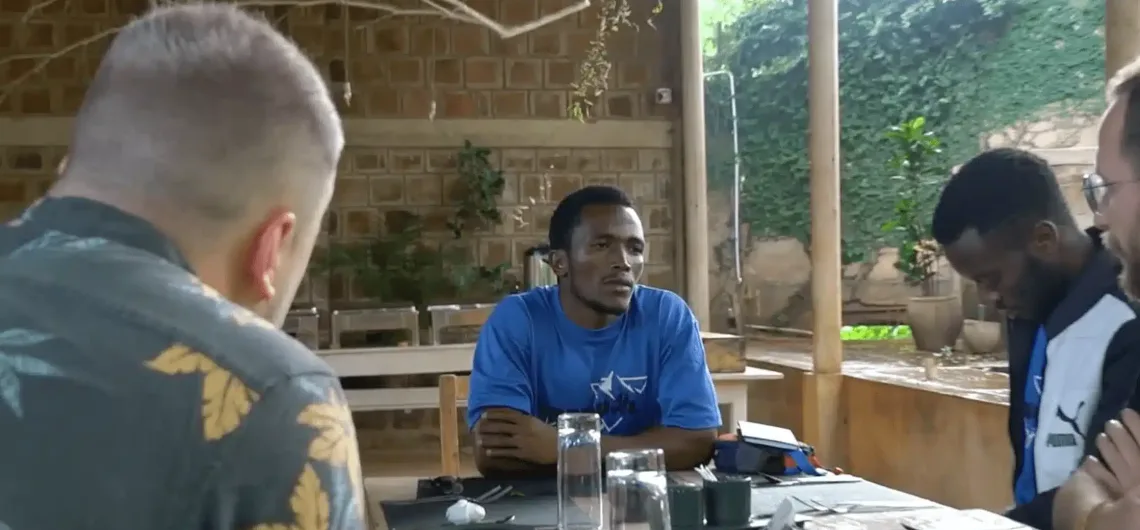
The pre-trek briefing and gear check might seem repetitive and monotonous, but it is one of the most important aspects when it comes to tackling Mount Kilimanjaro. You might be wondering, we have gone through the list, we have talked about it the whole time through emails and WhatsApp chats, why go over these lists again and again? Well, a lot happens during flights, or you might have forgotten something important while packing. We want your trek to be as comfortable and efficient as possible. You might have new questions or ideas that were not covered previously, but prior to your trip, feel free to shoot your questions. It is also a great time to know your mountain guide and make sure your needs are met, like dietary restrictions and the food menu on the mountain. It is also a great moment to plan how you will source the gear you are missing for your climb. What time does the pre-trek briefing and gear check take place? Usually, we begin with an introduction formality between you and the main guides, usually from 4 pm – 7 pm, depending on your arrival time at the airport. For example, if you are climbing on July 12th, the pre-trek briefing will take place on June 11th at 5 pm. If you arrive early, we usually leave you to rest before joining you later for the brief discussion. Where does the pre-trek briefing and gear check happen? Usually these sessions happen at your hotel, for example Chanya Lodge, Maridadi Hotel, or similar, because it is more convenient logistically unpacking your gear where you have settled well enough. Cross-checking your gear list and your packing list follows shortly after. mostly at your hotel in Moshi or Arusha. Climbing Mount Kilimanjaro is one of the world’s most accessible high-altitude adventures, yet it demands serious preparation. Success and safety hinge not just on fitness or route choice, but on the meticulous pre-trek briefing and gear check that reputable operators conduct. These sessions, typically held the day before departure at your hotel in Moshi or Arusha, transform anxious excitement into confident readiness. Arriving at least one full day early is strongly recommended by experienced operators like Tranquil Kilimanjaro. This buffer allows time to recover from travel, adjust to the local environment, and participate fully in these essential preparations without rushing.
If you miss an item for the gear list, do not worry, as it is easy to rent anything here in Moshi or Arusha. Please see and download the recommended packing list for Mount Kilimanjaro here. Below is an example of how we conduct the pre-trek briefing.
The Pre-Trek Briefing: Knowledge Is Your Best Gear
The briefing is far more than a casual chat—it is a comprehensive orientation led by your lead guide, an operations manager, or a climbing coordinator. In a group setting or private session, the team walks you through everything you need to know for a safe, enjoyable, and successful ascent.
Typical topics covered include:
- Itinerary and Daily Schedule: A detailed day-by-day breakdown of your chosen route (e.g., Machame, Lemosho, Marangu). You’ll learn distances, elevation gains, expected hiking times, camp locations, and acclimatization strategies built into the schedule. Extra days on longer itineraries are emphasized for better adaptation.
- Acclimatization and “Pole Pole” Philosophy: Guides stress the importance of going slowly (“pole pole” in Swahili) to allow your body to adjust to decreasing oxygen levels. They explain the “climb high, sleep low” principle where applicable and how the route profile supports gradual ascent.
- Altitude Sickness Awareness: Honest, detailed education on Acute Mountain Sickness (AMS), its symptoms (headache, nausea, fatigue, dizziness), and progression to more serious conditions. You’ll learn prevention through hydration (aim for 3–4+ liters of water daily), proper pacing, nutrition, and when to speak up. Many operators demonstrate or discuss the use of pulse oximeters for daily health checks. How do I prevent altitude sickness on Kilimanjaro & (AMS) Acute Mountain Sickness
- Safety Protocols and Emergencies: Emergency procedures, rescue options (including helicopter evacuation coordination), communication methods, and the roles of the support team. Weather contingencies and decision-making on summit day are covered.
- Camp Life and Logistics: What to expect at campsites—tent setup by porters, meal routines (fresh, hot, nutritious food prepared by dedicated cooks), toilet facilities (long-drop or eco-friendly options), hygiene tips, and the daily rhythm (early starts, rest periods, evening briefings). Mountain Tents, Sleeping Tents for Mount Kilimanjaro
- Team Introduction and Dynamics: You meet your guides, assistant guides, cooks, and porters. Their roles are explained: guides focus on safety and pacing; porters handle loads (typically up to 15–20 kg per person) and camp setup; cooks ensure quality meals. This builds rapport and clarifies tipping customs or expectations. Kilimanjaro Porters
- Nutrition, Hydration, and Personal Care: Guidance on bringing high-energy snacks, managing appetite at altitude, electrolyte balance, and personal medications. Dietary requirements are confirmed. Food, Mount Kilimanjaro Meal Plan & Dietary Restrictions
- Q&A and Personalization: Ample time for questions. Climbers share concerns about fitness, previous altitude experience, or specific needs. The team provides tailored advice.
Can you raise concerns about your diet restriction and vegetarian menu at the pre-trek briefing? Yes, absolutely, because this trek is about you, and we want you to succeed in the most comfortable way possible. See our vegetarian diet here.
This session sets realistic expectations, reduces anxiety, and fosters trust in the team. At Tranquil Kilimanjaro, we treat it as an interactive dialogue rather than a lecture.
The Gear Check: Ensuring You’re Properly Equipped
See an example youtube video of how simple it is to do the gear check. Immediately following or integrated into the briefing comes the thorough gear check. Your guide inspects your equipment item by item to confirm it meets the demands of Kilimanjaro’s extreme conditions—temperatures swinging from warm rainforest days to sub-zero summit nights with wind chill, plus rain, dust, and varying terrain.
What typically happens:
- Piece-by-Piece Inspection: Everything is laid out or reviewed systematically. Key items include:
- Footwear: Well-broken-in hiking boots with good ankle support (critical to prevent blisters and ankle issues). Gaiters if you have them. How to choose the best hiking boots for Mount kilimanjaro climbs
- Sleeping System: A sleeping bag rated for at least -10°C to -20°C (or lower for comfort). The guide checks the warmth rating, condition, and whether a liner is needed. Many operators rent high-quality bags locally. Sleeping Bags
- Layering System: Base layers (merino wool or synthetic for moisture-wicking), mid-layers (fleece or insulated jacket), and outer shell (waterproof/windproof hardshell jacket and pants). Emphasis on versatile, packable layers rather than single bulky items. More about how to layer properly for your Kilimanjaro climb.
- Extremities: Warm beanie, sun hat, neck gaiter/buff, quality sunglasses (UV protection essential at altitude), lightweight and warm gloves/mittens (waterproof outer layer recommended), and extra socks.
- Lighting and Navigation: Reliable headlamp with spare batteries (essential for summit night starts in darkness).
- Trekking Poles: Adjustable poles for stability on steep or uneven sections and to reduce knee strain on descent.
- Daypack and Duffel: A comfortable 30–40L daypack for daily essentials (water, snacks, layers, camera, rain gear). A sturdy duffel or waterproof bag for porters (weight limit usually ~15 kg per porter bag—guides often weigh it). What to carry in your Kilimanjaro daypack or backpack, here is the full list.
- Hydration: Water bottles or bladder (minimum 2–3 liters capacity). Purification tablets or a filter, if preferred.
- Other Essentials: Rain cover, sunscreen/lip balm (high SPF), personal first-aid kit, medications, trekking snacks, and any prescription items.
- Weight and Packing Advice: Guides coach on efficient packing. The porter duffel must stay within limits; excess or non-essential items are left securely at the hotel (most provide storage). They demonstrate how to organize for easy access at camp.
- Identification of Gaps and Rentals: If something is missing or inadequate (common issues: insufficiently warm summit layers, unbroken-in boots, or no rain protection), the guide helps arrange local rentals in Moshi. Shops offer quality sleeping bags, jackets, poles, and more at reasonable prices. This is far better than discovering deficiencies on the mountain. Mount Kilimanjaro gear rental: where can you hire trekking equipment in Tanzania?
- Company-Specific Items: Some operators provide or issue items like a large waterproof “boundary” or porter duffel bag during the check.
- Final Tips: Advice on layering for the day’s conditions, protecting gear from moisture, and personalizing setups (e.g., for cold sleepers or those prone to blisters).
The process is collaborative and educational. Guides share real-world insights from previous climbs, such as how quickly conditions can change or why certain items (like a warm down jacket or quality mittens) are non-negotiable for summit night.
Why These Steps Matter: Deep Preparation for High-Altitude Success
On any high mountain, thorough pre-trek preparation dramatically improves outcomes. The briefing equips you with knowledge to recognize and manage challenges early, while the gear check eliminates equipment-related risks that could force an early descent. Together, they build mental and physical confidence.
Tips for Climbers to Maximize These Sessions:
- Review the operator’s packing list well in advance and test gear at home (especially boots on long hikes).
- Pack a mix of proven items and be open to local rentals for bulky/warm gear to reduce airline baggage fees and hassle.
- Be honest during the check about your experience and any concerns.
- Take notes or photos during the briefing for reference.
- Use the time after the check to repack calmly and rest.
Reputable operators like us treat these sessions as a cornerstone of their service, contributing to high success rates through education, proper equipment, and strong team-climber relationships.
Ready for the Adventure
The pre-trek briefing and gear check are not bureaucratic hurdles—they are empowering experiences that mark the true beginning of your Kilimanjaro journey. When done thoroughly by experienced local teams, they ensure you step onto the trail prepared, informed, and supported. Even if you’re a first-timer or returning climber, approach these sessions with curiosity and openness. Ask questions, take the advice seriously, and trust the process. With solid preparation behind you, you can focus on the incredible journey through Kilimanjaro’s diverse ecosystems—from lush rainforest to alpine desert to the icy summit of Africa.Pole pole—and may your summit be spectacular.
Brooke Baldwin climbs Kilimanjaro, comes back with 10 life lessons

