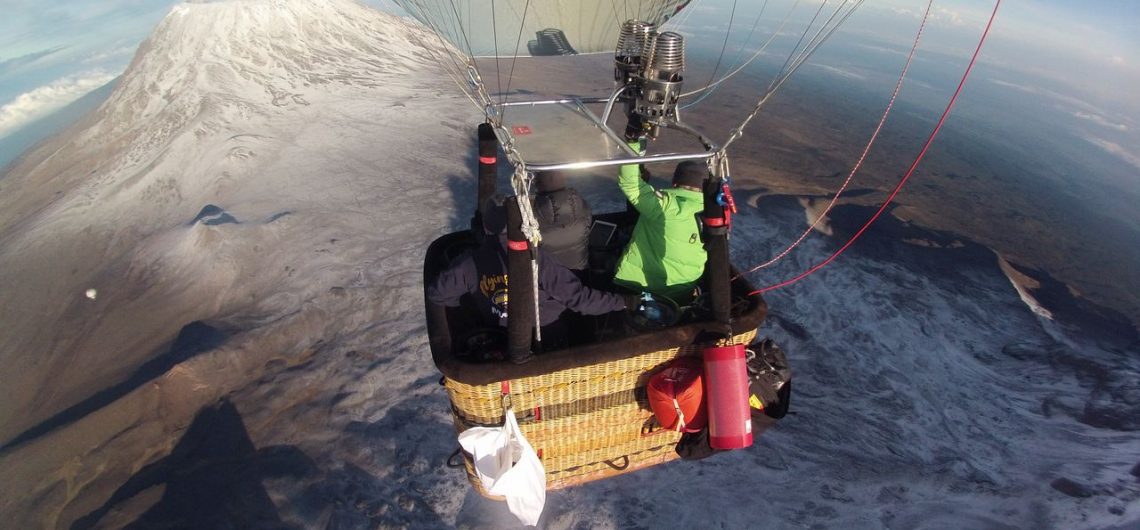
The first balloon flight over Mount Kilimanjaro and Ngorongoro Crater is the brainchild of Ultramagic Experience that brings together a group of extraordinary pilots from around the world, to make challenging balloon flights in unique places. This year 2021, they came to Tanzania with two aims to fulfill. Fly over Mount Kilimanjaro (as they did 10 years back in 2011). To be the firsts to fly in the Ngorongoro Conservation area, which includes crossing each side of the Ngorongoro Crater rim. After the extraordinary experience in these two unique destinations in Tanzania, they will finish with a Zanzibar beach holiday, where they will get to take local flights and relax on the pristine beaches of the Zanzibar Spice islands that are surrounded by the Indian ocean. Ultramagic Balloons is no stranger to difficult hot air balloon excursions, having completed this journey with Ultramagic 10 years ago in 2011. To get first-hand information and to follow their experiences, check out their blog that is updated regularly at: www.ultramagicexperience.com Entering this link you will be able to see the blog where every day we explain how the trip is going, the location of the group, and the flight tracks. "We humans needed additional oxygen, but the propane flame needed extra oxygen to remain burning," said the team at 4,000 meters. The balloon was launched on Monday, 6th Dec 2021 from an area near Marangu which is in the Kilimanjaro Region crossing the entire mountain range and ending up on the western side of Mt Kilimanjaro. It was an unforgettable experience. The Kilimanjaro Balloon Flight Itinerary: How it all happened Day 1. Arusha After landing at the Jomo Kenyatta International Airport in Nairobi early in the morning they drove all the way to Arusha after breakfast and after crossing the Namanga One-Stop Border
The first balloon flight over Mount Kilimanjaro and Ngorongoro Crater is the brainchild of Ultramagic Experience that brings together a group of extraordinary pilots from around the world, to make challenging balloon flights in unique places. This year 2021, they came to Tanzania with two aims to fulfill. Fly over Mount Kilimanjaro (as they did
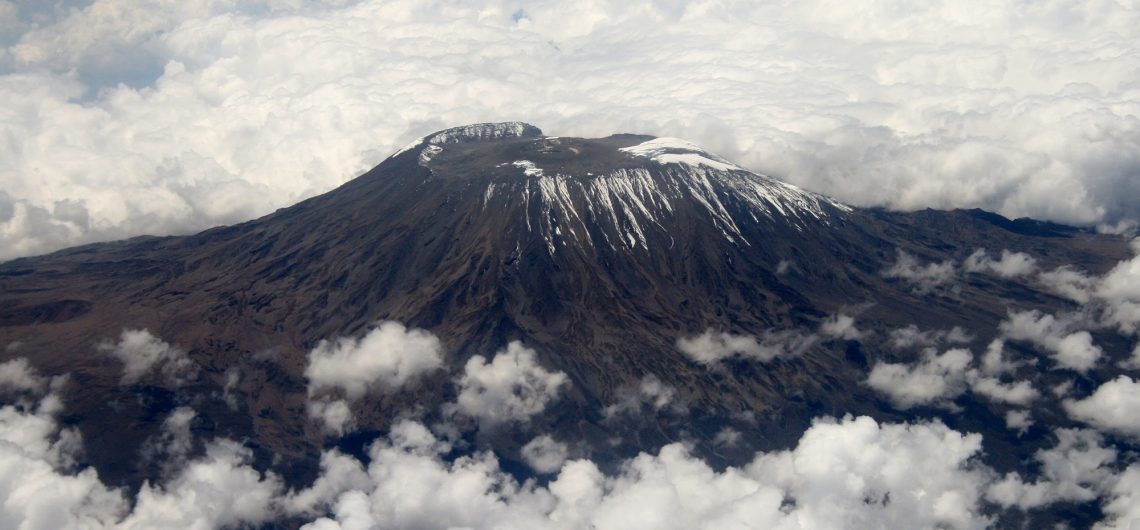
How was Mount Kilimanjaro, a mountain that has distinct geology and history formed?. Our planet's surface is divided into several separate portions, some large and others little. Tectonic plates are what they're called. Africa is one of the biggest continental plates on the planet. The plates do not remain stationary; instead, they move around the earth's surface, propelled by convection currents in the mantle. Some sink or subduct beneath others, others clash, and still, others split up. This is exactly what is going on in Africa. In East Africa, the East African Rift Valley is a growing divergent plate boundary. The Somalian plate, which makes up the eastern half of Africa, is sliding away from the remainder of the continent, which is made up of the Nubian plate. A rift valley has resulted from this expansion. The crustal expansion has resulted in a succession of lengthy lowland valleys divided by highland areas. Read more facts about Mount Kilimanjaro. Volcanoes develop when plates split apart, according to one of plate tectonics' basic laws. This is why Kilimanjaro, as well as other well-known volcanoes like Ol Doinyo Lengai, exist. Mount Kilimanjaro was produced as part of the Great Rift Valley's creation. Volcanic activity focused on a few distinct places almost a million years ago. Kilimanjaro is really three volcanoes stacked on top of one another, rather than a single mountain summit. Shira, Mawenzi, and Kibo were formed roughly 3 million years ago with the formation of the Great Rift Valley. Due to enormous forces that drove the crust skywards, Shira was the first to develop. Shira collapsed to form a caldera around 500,000 years ago, while Mawenzi began to develop about 460,000 years ago. Kibo was produced by another eruption west of Mawenzi. Shira, the lowest peak at 12,995 feet, last erupted
How was Mount Kilimanjaro, a mountain that has distinct geology and history formed?. Our planet’s surface is divided into several separate portions, some large and others little. Tectonic plates are what they’re called. Africa is one of the biggest continental plates on the planet. The plates do not remain stationary; instead, they move around the
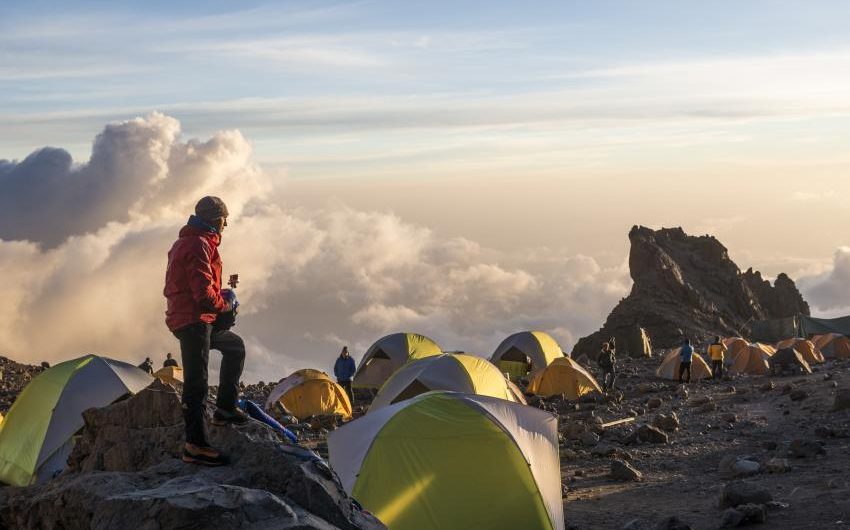
The Lemosho route is more popularly considered as the best one of all the routes because it provides many acclimatization opportunities on route to Shira 2 Camp. Guests can adjust more at Shira Needle, Shira Cone, Shira Cathedral, Lava Tower, and other points along the journey. All while trekking on one of the world's highest Plateaus. The Shira Plateau is the highest point of the Shira Mountains. Hike high, sleep low is a mountain concept that works its magic on your body. When you're at a lower height, your body has a standard number of red blood cells that 'carry' oxygen throughout your body; but, when you're at a higher elevation and there's less oxygen, your body needs more red blood cells to 'transport' the oxygen around your body. Hiking higher and sleeping lower gives your body a shock, causing it to create more red blood cells and therefore acclimate. Below are the reasons why the Lemosho route is the overall best route to climb Mount Kilimanjaro. Read more about the Lemosho Route Better Acclimatization The key to success on Kilimanjaro is to spend as much time as possible on the mountain. According to our data, climbs based on seven days have an 85 percent success rate, whereas climbs based on eight and nine days have a success rate of over 95 percent. Altitude sickness is less likely as a result of this. The longer you stay on the mountain, the less likely you are to succumb to altitude sickness. On the Lemosho Glades, there are several opportunities to stay an extra night to further acclimate... It's less busy and less crowded. The Lemosho Glades path is likely the least popular route on Kilimanjaro when you begin climbing Mount Kilimanjaro, partially due to its remote position and similarly the challenging
The Lemosho route is more popularly considered as the best one of all the routes because it provides many acclimatization opportunities on route to Shira 2 Camp. Guests can adjust more at Shira Needle, Shira Cone, Shira Cathedral, Lava Tower, and other points along the journey. All while trekking on one of the world’s highest
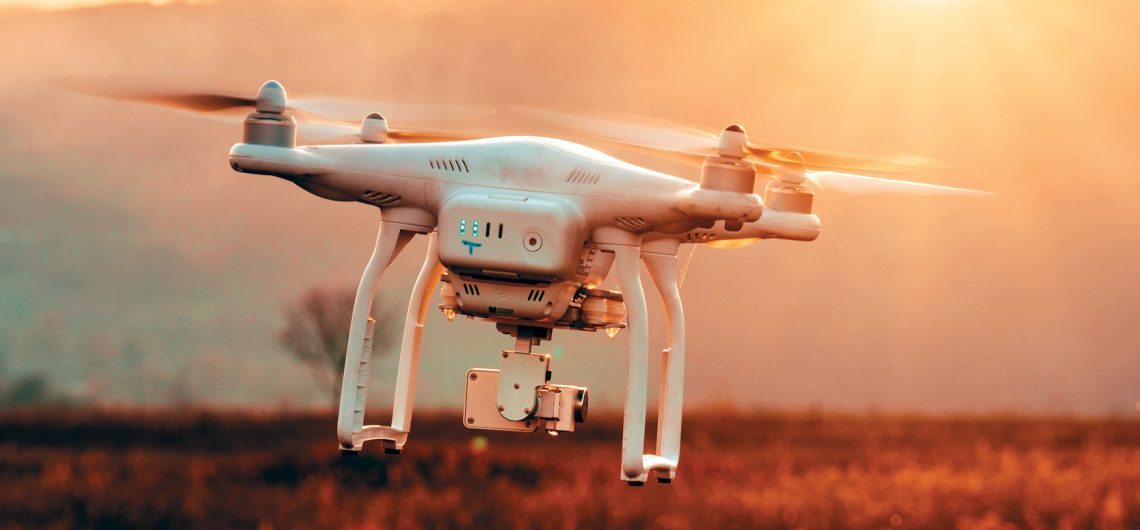
The Tanzanian regulatory authorities and animal conservation agencies have made it clear that using aerial drones in Tanzania's national parks, such as Kilimanjaro, is prohibited. I strongly advise you not to fly a drone there unless you first obtain written permission from the relevant regulatory body or bodies. I recommend that you contact the Tanzanian embassy or consulate in your country for more information. To legally operate a drone in Tanzania, you must first register it, obtain a pilot's license, obtain necessary drone insurance, obtain a specific licence from the Tanzania Civil Aviation Authority, and obtain approval from the Ministry of Defense and National Service. To put it another way, legally flying a drone in a national park is a long and arduous procedure. Tranquil Kilimanjaro is unable to assist you with this procedure. Even if you get a permit to fly a drone in Tanzania That is to say, it is physically demanding/nearly impossible but lets say you can, these will be your main challenges. Mount Kilimanjaro is the world's tallest peak that can be climbed without ropes. That does not imply that it is simple. It's so cold up there that you'd need at least two-three layers of gloves on, making it impossible to use the controller. A drone would have to work considerably more just to keep balanced because it's so high up and windy. Because of the thinner air, the A drone would have to work considerably more just to keep balanced because it's so high up and windy. The drone is less stable due to the thinner air. Some people are unable to reach the summit due to the extreme altitude. Those that can even make there in the first place (unless they're a pro) struggle. To operate a drone at the highest level would
The Tanzanian regulatory authorities and animal conservation agencies have made it clear that using aerial drones in Tanzania’s national parks, such as Kilimanjaro, is prohibited. I strongly advise you not to fly a drone there unless you first obtain written permission from the relevant regulatory body or bodies. I recommend that you contact the Tanzanian