
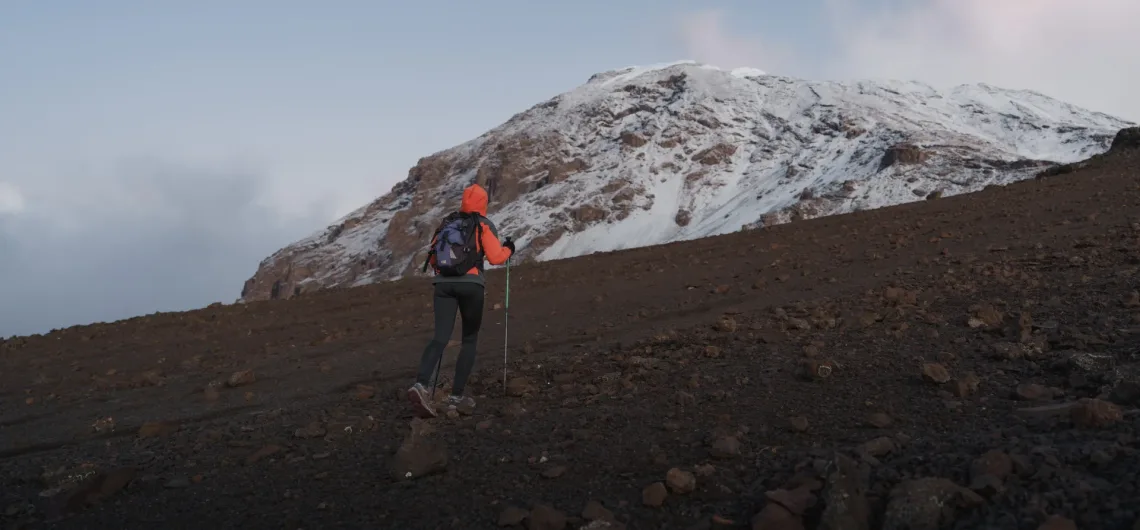
The least touristic, non-commercial-feeling routes on Kilimanjaro for the 2027–2028 climbing season are the ones that deliberately steer clear of the crowded southern corridors (Marangu and Machame), offering instead remote northern and western approaches with minimal foot traffic, superior wilderness immersion, and built-in acclimatization buffers. While every ascent still requires a licensed Tanzanian operator, park permits, guides, and porters under Kilimanjaro National Park (KINAPA) rules—no true independent or “unguided” climbing is allowed—these routes unlock a quieter, more authentic mountain experience that feels worlds away from the conveyor-belt atmosphere of the popular paths. Data from 2025–2026 operator reports and climber feedback show the Northern Circuit and Rongai consistently rank as the quietest, with the Umbwe (in its extended form) providing the most rugged solitude for experienced trekkers. No entirely new routes have been opened by KINAPA for 2027–2028; the park’s core seven ascent options remain stable, though permit fees are scheduled to rise gradually through 2031 (exact July 2028 adjustments not yet finalized as of mid-2026). What has “unlocked” greater appeal for these routes is growing climber preference for longer itineraries (8–10 days) that prioritize success rates above 90% while minimizing encounters with other groups. These paths also align with subtle shifts toward sustainable tourism—fewer people per trail means less erosion, quieter camps, and higher chances of spotting wildlife on the lower slopes.
1. Northern Circuit (8–10 days) – The Ultimate Non-Touristic Crown Jewel
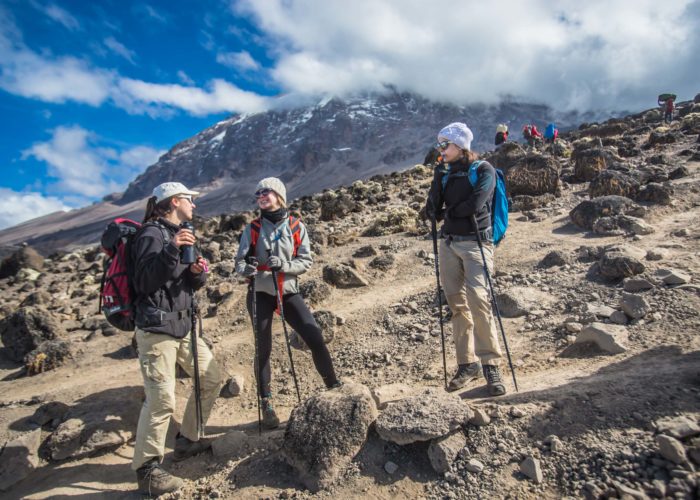
Widely regarded as the newest major route (formalized in the last decade) and the clear winner for solitude, the Northern Circuit starts on the western Lemosho/Shira trailhead but then arcs around the remote northern flanks of Kibo Peak before joining the summit push from the east. Total distance: roughly 88–98 km. You’ll spend extra days traversing high-alpine desert and lava ridges rarely seen by the 30,000+ annual climbers who stick to southern routes. Book the 9-day Northern Circuit Route.
Why it unlocks a truly non-commercial experience in 2027–2028:
- Extremely low traffic: Many days, you may have entire campsites or ridgeline sections to your small group alone—operators report groups often feeling “like the only people on the mountain.”
- Exceptional acclimatization: Gradual daily elevation gains and multiple “climb high, sleep low” opportunities push summit success rates to 95%+ on 9-day versions, far above the mountain average.
- Unique 360° perspectives: Panoramic views across the Kenyan border, Mawenzi Peak, and the inner crater rim that southern routes never deliver.
- Wildlife bonus: Higher odds of seeing buffalo, eland, or monkeys in the early forest zones because fewer trekking parties disturb the area.
Practical notes for 2027–2028: Book 9- or 10-day itineraries to maximize the circuit’s benefits; 8-day compressed versions are possible but slightly busier at key junctions. Crater Camp add-on (extra ~$100/night permit) is easiest to slot in here, letting you sleep inside the caldera at ~5,700 m—fewer than 1% of all climbers ever do this, guaranteeing a private dawn summit.
2. Rongai Route (6–7 days, extendable) – The Quiet Northern Classic
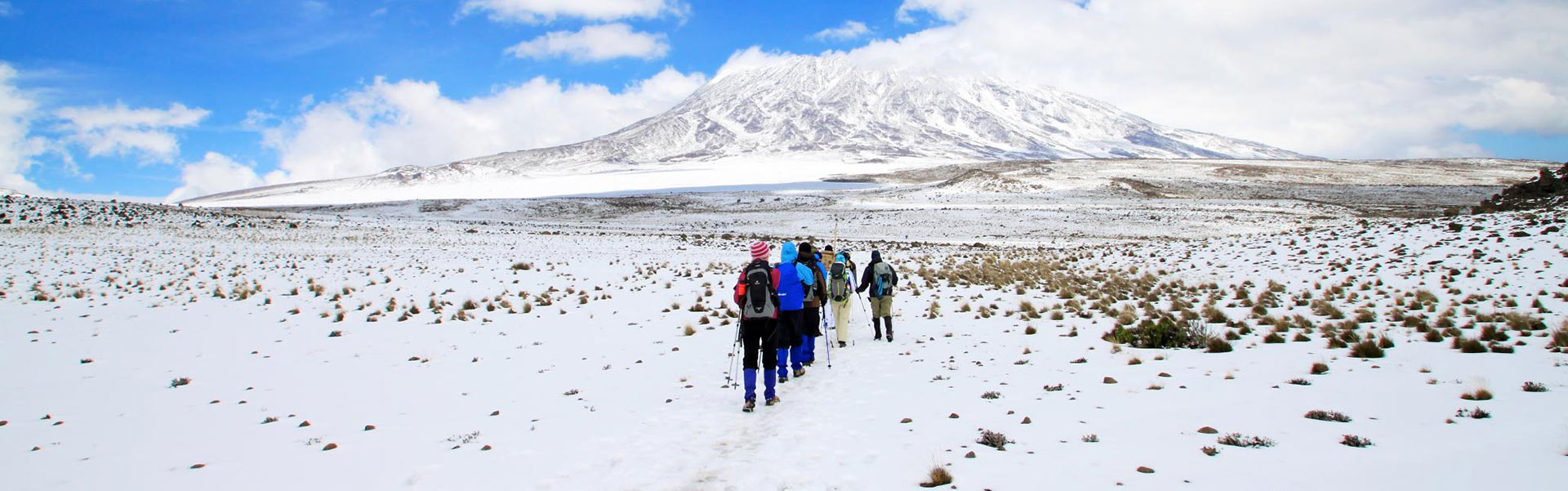
Approaching exclusively from the north near the Kenyan border, Rongai is the only major route that bypasses the bustling southern gates entirely. It begins in pine forests and moorland, crossing the saddle between Kibo and Mawenzi before the final summit night from Kibo Huts or School Huts.
Key advantages for non-touristic climbers:
- Consistently the quietest or second-quietest route year-round, especially outside peak dry-season months; northern slopes see fewer groups than Lemosho or Machame.
- Drier microclimate: Less rain and mud even in the “wet” seasons (November–December or March–May), making it a strategic pick if your 2027–2028 dates fall outside June–October.
- Easier gradients in the early days, allowing steady pacing without the steep “stairmaster” feel of Umbwe or Machame’s first stages.
- Strong success rate (~80–85% on 7-day plans) when paired with the extra acclimatization day at Mawenzi Tarn.
For 2027–2028, operators note Rongai remains under-utilized compared to the western routes, preserving that remote feel even as overall climber numbers slowly rebound post-2025. Extend to 7 days for better odds and more breathing room. Book the 7-day Rongai Route trek
3. Umbwe Route (6–7 days preferred) – The Steep, Solitary Adventure Option
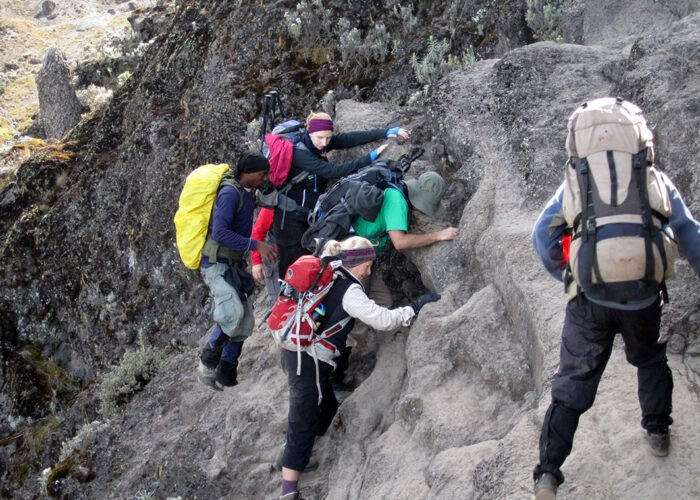
Umbwe is the shortest and steepest direct southern ascent, but its first 2–3 days are dramatically less traveled than any other path—sometimes described as “almost empty.” It climbs through thick forest and ridges straight toward the Barranco Wall before merging with the Machame or Lemosho trails higher up. Book the 6-day Umbwe Route.
When it truly unlocks value:
- Maximum remoteness in the rainforest and ridge sections: Very low foot traffic early on, ideal if you crave raw wilderness over polished camps.
- 7-day versions now standard for most operators (adding an acclimatization day at Barranco Camp or Karanga), improving safety and success compared with the old 5–6 day “death march” reputation.
- Dramatic scenery: Exposed ridges and the Barranco Wall provide a technical, engaging climb that feels more like mountaineering than trekking.
Caveat: Still demands excellent fitness and prior altitude experience—a poor natural acclimatization profile means it’s not for first-timers. Success rates hover around 60–70% without the extra day. In 2027–2028, it remains the route of choice for experienced climbers wanting to avoid groups entirely in the lower and middle zones.
Practical Considerations for Unlocking These Routes in 2027–2028
All three require the same mandatory support (certified guide, porters, cook, KINAPA rescue fee) and cost roughly 10–20% more than the shortest Marangu options due to extra days and logistics—expect $2,800–$4,000+ per person for quality operators, depending on group size and add-ons. Private climbs (just your party) further enhance the non-touristic vibe and are readily available on these routes. Seasonal timing still matters: June–October and late December–February remain the driest windows, but Rongai and the Northern Circuit perform well even in shoulder months because of their northern exposure. No major regulatory changes are expected for 2027–2028 beyond the gradual fee adjustments already announced. If you’ve already explored acclimatization strategies and natural remedies (as discussed previously), these longer, quieter profiles pair perfectly: extra days for Rhodiola or ginger support, pulse-ox monitoring in peace, and the mental space to truly absorb the mountain without trail congestion. In short, for 2027–2028, the Northern Circuit stands out as the single best “unlock” for most climbers seeking solitude without sacrificing safety or views, followed closely by Rongai for a shorter commitment and Umbwe for pure adventure. They deliver the Kilimanjaro that early explorers knew—vast, quiet, and profoundly personal—rather than the busy tourist highway many still default to. Choose a reputable local operator like us, Tranquil Kilimanjaro, early (book 12–18 months ahead for peak dates); confirm Crater Camp availability if it calls you, and you’ll experience the mountain on your own terms.
- Why Loitokitok or Rongai route is best to climb Kilimanjaro on a rainy days
- How Much Does It Really Cost to Climb Kilimanjaro in 2026? Honest Price Breakdown + Value Guide
- Why Trail Runners and Record Breakers Love the Umbwe Route for Climbing Kilimanjaro
- First timer climbing Kilimanjaro, which route is best for beginners?
- Lemosho or Northern Circuit Route, which is the best route to choose when trekking Kilimanjaro?
- Longer, higher: Why an 8-9 Day Kilimanjaro Trek is the Ultimate Success Secret
- Last minute booking for your Kilimanjaro trek, deals, offers and coupons
- Affordable Kilimanjaro trekking packages to suit your budget

