
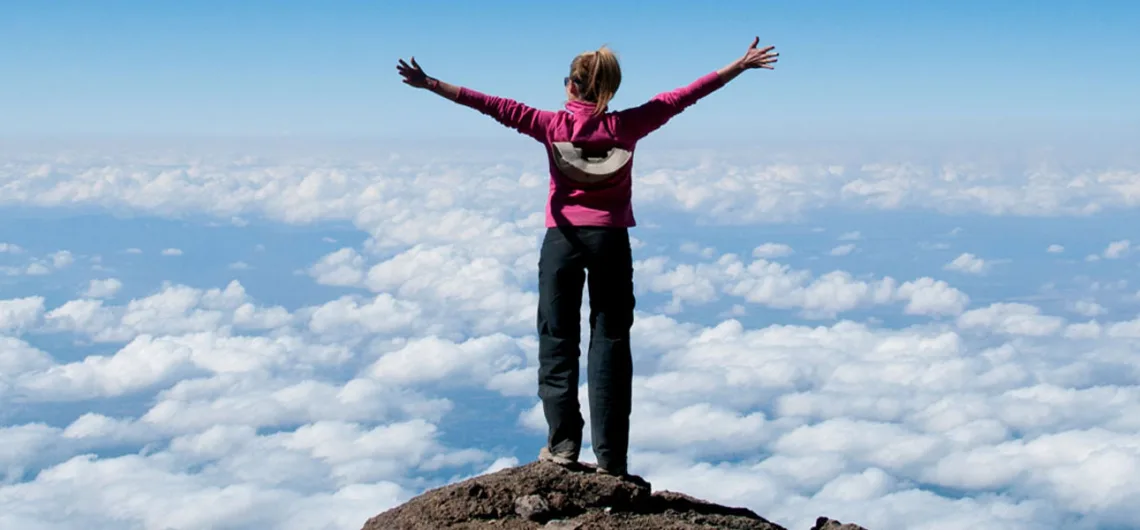
Acclimatization for summit night on Uhuru Peak (5,895 m / 19,341 ft) has evolved in meaningful ways by 2026–2027, driven by a combination of climber feedback, operator innovations, updated high-altitude medical guidelines, and accessible pre-trip tools. While the core physiological challenge remains the same—your body must rapidly adapt to roughly half the oxygen available at sea level during the final 1,000–1,200 m push from high camps like Barafu, Kosovo, or Stella Point—the strategies now emphasize proactive, personalized preparation before you even reach Tanzania, smarter route engineering on the mountain, and precise management during the 5–8 hour night ascent itself. These approaches have quietly boosted individual success rates on longer itineraries to 85–95% for well-prepared climbers, compared to the historical 60–65% industry average on shorter routes. The traditional “climb high, sleep low” principle is still foundational, but it’s now layered with pre-acclimatization protocols, real-time physiological monitoring, refined nutrition timing, and selective pharmacological support tailored to the summit-night bottleneck. Climate patterns have also introduced subtle shifts—slightly warmer nights in some seasons and more variable snow/ice conditions—which make energy conservation and hydration management even more critical during the dark, cold push that typically starts between midnight and 2 a.m. to catch sunrise at the crater rim.
More about Uhuru Peak, the highest point on Mount Kilimanjaro
Pre-Trip Hypoxic Pre-Acclimatization: The Biggest Practical Advance
One of the most accessible “new” tools for 2026–2027 climbers is normobaric hypoxic training at home or in specialized gyms. This involves sleeping in a hypoxic tent (or using a generator that reduces oxygen to simulate 3,000–4,500 m) and/or performing intermittent hypoxic exposure (IHE) sessions—short cycles of breathing low-oxygen air (15–18% O₂) through a mask while resting or exercising. Protocols typically run 4–6 weeks, gradually increasing simulated altitude and combining passive sleep exposure with moderate cardio (treadmill or cycling) in hypoxia. Recent analyses (including a 2026 meta-review) suggest that accumulating roughly 200 hours of progressive hypoxic exposure can dramatically lower acute mountain sickness (AMS) risk—sometimes approaching near-zero for many people—by boosting red-blood-cell production, improving ventilatory response, and enhancing capillary density before you arrive. For Kilimanjaro specifically, operators and independent climbers report that even modest 3–4 week programs reduce headache severity and fatigue on summit night, giving your body a head start so the final push feels less like a sudden oxygen cliff. Limitations exist: it doesn’t replicate barometric pressure changes of real altitude, and results vary by genetics and consistency. Still, it’s far more practical than traveling to real high-altitude training camps, and testimonials from 2024–2025 Kilimanjaro groups highlight cleaner summit nights with fewer turn-arounds. Pair this with baseline fitness: 4–6 months of cardio (hiking with elevation gain) plus strength work for legs and core. The goal isn’t to become an ultra-athlete but to ensure your body can handle the sustained low-intensity effort of summit night without early exhaustion.
Read and download the best Kilimanjaro training regimen.
Route Selection and On-Mountain Acclimatization: Longer, Smarter Profiles
Park regulations and operator standards haven’t undergone radical overhauls for 2026–2027, but the consensus has hardened around a minimum 7–9 day itineraries. Shorter 5–6 day routes still exist but carry measurably lower success rates (historically ~27–44%) because they compress the body’s adaptation window. Preferred routes now routinely incorporate deliberate “climb high, sleep low” days:
- Lemosho (7–8 days) or Northern Circuit (8–9 days) remain gold standards for gradual western or northern approaches with built-in high-point day hikes (e.g., to Lava Tower at 4,600 m before descending to sleep lower).
- A growing option is the crater camp extension (often 8–9 days total). After reaching the rim via Stella Point, you spend a night at Crater Camp (~5,700–5,800 m) inside the caldera. This ultra-high sleep exposure supercharges final acclimatization before the short dawn push to Uhuru. It’s physically and logistically demanding—colder, windier, and requires excellent prior adaptation—but it has become a proven differentiator for summit-night performance and offers the rare experience of sleeping inside Africa’s highest volcanic crater.
Daily on-mountain habits have also sharpened: guides now emphasize pulse-oximeter checks twice daily (target SpO₂ >80–85% at rest, with minimal drops on exertion), mandatory slow “pole pole” pacing (often 1 step per breath rhythm), and short maintenance stops every 45–60 minutes on summit night rather than long rests that let the body cool. Hydration targets remain 4–5 liters/day, but with added focus on electrolyte mixes to combat the drier, colder air.
Summit-Night Specific Tactics: Turning the Hardest Hours into a Managed Push
Summit night is where acclimatization is truly tested. Starting from high camp (around 4,600–4,700 m), you face 6–8 hours of steady ascent in sub-zero temperatures, often with headlamps cutting through darkness. Emerging best practices for 2026–2027 include:
- Pacing and energy management: Guides trained in modern protocols set a deliberately conservative cadence from the outset. The mantra is “slightly cool at the start” (peel a layer before departure) to avoid early overheating, then methodical layering adjustments. Maintenance stops are short, purposeful (hydrate, snack, check SpO₂), and timed to keep momentum without letting core temperature drop. Some premium operators now aim for a daylight summit on select routes by adjusting start times or using crater-camp staging, reducing the psychological weight of a pure night push.
- Nutrition timing: Carb-loading the day before (and during the climb with gels, bars, and warm sweet drinks every 45–60 minutes) sustains blood glucose when appetite vanishes. Avoid heavy fats or proteins close to departure. Hand warmers in pockets keep water bottles from freezing—critical because dehydration accelerates AMS symptoms.
- Pharmacological fine-tuning: Acetazolamide (Diamox) at 125–250 mg twice daily remains the evidence-based mainstay for speeding acclimatization. A newer trend, noted in 2025 CDC guidelines and adopted by some operators, is low-dose dexamethasone (4 mg) reserved for the summit-day window itself in climbers with a history of rapid-onset symptoms. This isn’t routine but serves as a targeted tool for the final 1,000 m when AMS risk peaks. Always consult a doctor; self-medication carries risks.
- Mental and monitoring layer: Wearables (watches tracking heart-rate variability and SpO₂) provide objective feedback, helping you and your guide decide whether a brief pause or descent is needed. Mindfulness or simple breathing rhythms (e.g., box breathing during stops) help manage the psychological grind when the trail feels endless.
Why These Strategies Matter in 2026–2027
Success on Uhuru Peak has always been about adaptation time more than raw fitness. The updates—pre-hypoxic training, crater-camp staging, data-informed pacing, and refined pharma support—address the exact pain points reported by thousands of recent climbers: early fatigue on summit night, freezing hydration systems, and the sudden wall of AMS above 5,000 m. No single strategy is a guarantee; individual factors like age, prior altitude experience, and genetics still play roles. But when combined, they shift the odds dramatically in your favor. Choose a reputable operator that builds extra acclimatization buffers, invests in guide training, and offers optional pre-trip hypoxic guidance. Arrive in Moshi a day or two early for final gear checks and light walks. Listen to your body and your guide every step—especially when the headlamp beam lights only the next few meters of volcanic scree. With these layered, evidence-informed approaches, summit night becomes less a gamble and more a calculated, deeply rewarding culmination of careful preparation. The crater rim at dawn, with the sun painting the glaciers and Mawenzi Peak glowing across the caldera, is worth every deliberate, acclimatized step.
Summit points on Kilimanjaro and nearby attractions
- Mawenzi Peak, Mount Kilimanjaro
- Gilman’s Point, Mount Kilimanjaro summit point
- Stella Point, Mount Kilimanjaro
- Reusch Crater
- Kibo Crater
- Kibo Peak, Mount Kilimanjaro
- Crater Camp on Mount Kilimanjaro’s Kibo
- Shira Peak, Mount Kilimanjaro
- The Southern ice field, Mount Kilimanjaro
- Northern ice field, Mount Kilimanjaro

